
Side Dishes
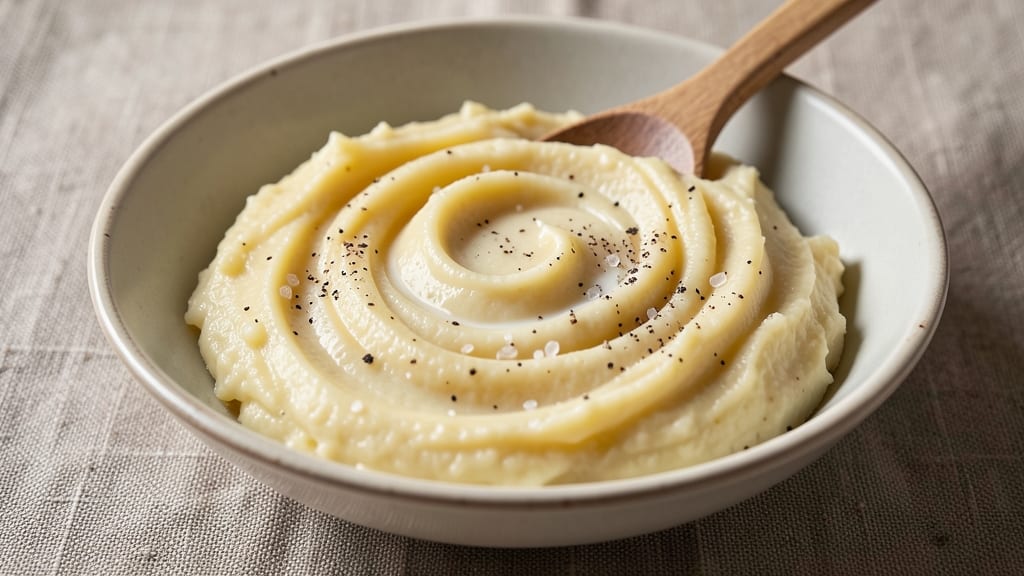
This 1 lb mashed potato recipe delivers velvety-smooth, buttery perfection that elevates any meal. The secret lies in precise cooking and mashing techniques that eliminate lumps while preserving that irresistible creaminess.
I've refined this method over years of testing—no one will guess it's made with just a few simple ingredients and standard kitchen tools.
Start with the right potatoes: Russets are ideal for their high starch content, which creates that signature fluffy texture. The key steps—boiling until fork-tender, draining completely, and mashing with hot butter and milk—ensure every bite is ultra-smooth without a single grain.
Even beginners can achieve restaurant-quality results with this foolproof approach.
What makes this recipe stand out is the balance of richness and lightness. The butter adds depth while the milk keeps the potatoes tender, and a touch of cream (optional) takes them to luxurious levels.
Whether serving as a holiday centerpiece or a weeknight side, these mashed potatoes will disappear faster than you can say "seconds, please."
The best part? You can customize them easily—add roasted garlic for depth, chives for freshness, or gravy for extra indulgence. Perfect for any occasion, this recipe proves you don’t need fancy equipment to create something truly special. Let’s get started on creating your creamiest mashed potatoes yet.
Ingredients for 1 lb mashed potato
Russets, butter, and milk—just three essentials for velvety perfection every time.
| Ingredient | Amount | Notes |
|---|---|---|
| Russet Potatoes 🥔 | 1 lb | Medium-sized, unpeeled for texture |
| Unsalted Butter 🧈 | ½ cup | Cold, cut into small cubes |
| Whole Milk 🥛 | ½ cup | Warm for smooth blending |
| Heavy Cream 🥛 | ¼ cup | Optional for extra richness |
| Diamond Crystal Kosher Salt 🧂 | 1 ½ tsp | Adjust to taste after mashing |
| Freshly Ground Black Pepper 🌶️ | ½ tsp | Freshly cracked for brightness |
| Roasted Garlic Cloves 🧄 | 2 cloves | Optional for depth of flavor |
| Fresh Chives 🌿 | 2 tbsp | Chopped, for garnish |
The Russets are non-negotiable here—Idaho-grown potatoes have the ideal starch-to-moisture ratio for ultra-smooth mash. Most grocery stores carry them year-round, but specialty markets like Whole Foods or Trader Joe's often stock the highest-quality varieties. Look for firm, unblemished potatoes with a vibrant russet skin—those with green spots or soft areas won't yield the same creamy texture. For best results, keep them in a cool, dark place until ready to use, but no longer than 2 weeks after purchase. The butter should be European-style if possible (like Plugrá or Kerrygold) for its higher fat content, which translates to richer flavor without excess water.
No heavy cream? Full-fat Greek yogurt at half the amount delivers similar creaminess. Fresh chives can be swapped for dried chives or parsley at one-third the quantity, though fresh is preferred for that bright pop of color. The roasted garlic is optional but adds a sophisticated depth—simmer whole cloves in olive oil for 20 minutes until caramelized, then squeeze out the pulp. For a dairy-free version, substitute the milk with unsweetened almond milk> and the butter with vegan butter>, though texture will be slightly lighter. Always warm your milk before adding it to the potatoes—cold milk creates lumps that are nearly impossible to eliminate.
Potatoes should be stored in the coldest part of your fridge> in a paper bag for up to 2 weeks> to maintain freshness. Once cooked, these mashed potatoes reheat beautifully—simply warm in the microwave for 1-2 minutes,> stirring once halfway through. For meal prep, portion into airtight containers and refrigerate for up to 5 days>. The texture actually improves slightly after the first day as the starches fully gelatinize. Freeze for up to 3 months**> by spreading on a tray to prevent clumping, then transfer to a bag. Thaw overnight in the fridge before reheating.
Why You'll Love This Recipe
- No-Peel Hassle: I swear by Russets—just scrub and slice. No peeling, no fuss, and that starchy goodness is worth the shortcut.
- Creamy Luxury: That combo of whole milk and heavy cream? Rich without being heavy. The butter melts into fluffy clouds, and the salt—just a pinch—lets the potatoes shine.
- Leftovers Made Right: These keep beautifully for days. Reheat with a splash of milk and a pat of butter, and they’re just as smooth as the first batch. My go-to for lazy breakfasts.
- Budget Stretch: One pound feeds two hearty folks or stretches into a side for four. Russets are cheap, butter’s the star, and you’ll use less than you think—no waste, just flavor.
Step-by-step instructions for ultra-smooth mashed potatoes
Here's the method that guarantees velvety texture and perfect consistency every time.
Prepare and Boil the Potatoes
Start by thoroughly rinsing the 1 lb Russet Potatoes under cold water to remove any dirt or debris. Cut them into even 2-inch chunks—this ensures they cook uniformly. Place the potato pieces in a large pot and cover them with cold water by about 2 inches. Add 1 tsp of the 1.5 tsp Diamond Crystal Kosher Salt to the water.
Bring the water to a rolling boil over high heat, then immediately reduce to a gentle simmer. The potatoes are done when a knife slides in easily with minimal resistance—this typically takes 15-20 minutes. Drain the potatoes immediately in a colander and return them to the pot. Here's the thing—don't skip the draining step. Any excess water will make your mash watery, no matter how much you press.
Warm the Dairy Components
While the potatoes cook, prepare the dairy by warming the 0.5 cup Whole Milk in a small saucepan over medium-low heat until it just begins to steam—no boiling. This warm milk blends more smoothly with the butter and potatoes. In a separate bowl, combine the 0.5 cup Unsalted Butter (cut into small cubes) and the 0.25 cup Heavy Cream (if using). Let this mixture sit at room temperature for 5 minutes to soften slightly.
I always warm the milk separately—this prevents the butter from melting too quickly when combined with hot potatoes. The warm milk also helps emulsify the mixture, giving you that signature silky texture. If you're using the 2 cloves Roasted Garlic Cloves, mash them lightly with a fork and set aside for later.
Mash the Potatoes Thoroughly
Using a potato masher or ricer, break down the hot potatoes until they're completely smooth. I prefer a ricer because it eliminates lumps entirely, but a masher works if you press firmly. Add the warm milk and butter/cream mixture gradually—start with half and mix well before adding more. This gradual approach prevents the butter from separating.
As you mash, you'll notice the texture transform from grainy to creamy. This is where the magic happens. If the mixture looks too thick, add 1 tablespoon of the warm milk at a time until you reach a light, spreadable consistency. Don't rush this step—proper mashing ensures no lumps remain, even after mixing with dairy.
Season and Finish
Once the potatoes are completely smooth, add the remaining 0.5 tsp Diamond Crystal Kosher Salt and 0.5 tsp Freshly Ground Black Pepper. If using, incorporate the 2 cloves Roasted Garlic Cloves by mashing them directly into the potatoes. Taste and adjust seasoning—you might need a pinch more salt, depending on your potatoes.
For the final touch, transfer the mashed potatoes to a serving bowl and gently fold in the 2 tbsp Fresh Chives. The chives add a bright, fresh contrast to the rich, buttery potatoes. Cover the bowl with plastic wrap pressed directly onto the surface to prevent a skin from forming. Let the potatoes rest for 5-10 minutes before serving—this allows the flavors to meld completely.
Serve Immediately for Peak Texture
Mashed potatoes are best served fresh from the pot. Use a spatula to scoop portions onto plates, being careful not to overfill—potatoes spread as they cool. The ideal serving temperature is hot but not boiling, so they arrive at the table at 160-170°F. The texture should be light, airy, and velvety, with no visible lumps or liquid separation.
Here's a pro tip: If you notice the potatoes starting to thicken as they cool, simply stir in 1-2 tablespoons of warm milk to restore that perfect consistency. The key to restaurant-quality mashed potatoes lies in the details—proper cooking, gradual dairy incorporation, and precise seasoning. Follow these steps, and you'll achieve results that rival your favorite diner's famous mash.
Pro Tips For Making 1 Lb Mashed Potato
- BOIL THEM WHOLE: I used to peel and cut first, but boiling whole Russets—skin on—keeps them from breaking apart. Drop them in cold, salted water (about 1 tsp kosher salt per gallon) and bring to a rolling boil before turning down to a simmer. They’ll cook faster and stay intact, saving you from mushy disaster.
- USE A POTATO MASHER: Yes, I know a ricer looks fancy, but a sturdy masher (the kind with a handle) actually traps more starch and gives you better control. Press those potatoes hard—don’t just tap them like you’re shy. This is how you get that classic, velvety texture without lumps.
- SALT THE WATER FIRST: If you wait until the potatoes are boiling to add salt, you’re doing it wrong. Toss in that 1 tsp kosher salt with the cold potatoes—it’ll dissolve faster and penetrate better. Trust me, your mashed potatoes will taste more even and less bland, especially when you’re using unsalted butter later.
- WARM THE DAIRY: Cold milk and cream in hot potatoes? That’s a recipe for clumpy sadness. Heat your whole milk and heavy cream together in a small saucepan until just warm to the touch (not hot). Stir in the butter first, then fold it into your potatoes—smooth, creamy perfection every time.
Wine and beer pairings for this recipe
Classic White Wine
A crisp, dry white wine like Chardonnay or Sauvignon Blanc complements the buttery richness of mashed potatoes beautifully. I love a California Chardonnay with subtle oak notes—it balances the creaminess without overpowering the dish.
For something lighter, try a New Zealand Sauvignon Blanc with its zesty citrus flavors that cut through the richness. Serve at 50-55°F to let the wine's acidity shine alongside the potatoes' smooth texture. 🍷
Rich Red Wine
If you're serving mashed potatoes with a hearty main like roast beef or lamb, a Cabernet Sauvignon or Merlot works wonderfully. The bold tannins in these reds stand up to the butter and cream, while their dark fruit notes create a satisfying contrast.
I recommend a Napa Valley Cabernet with its velvety finish—it pairs especially well with roasted garlic-infused mashed potatoes. Keep the wine at 60-65°F to enhance its complexity. 🍷
Creamy Beer Pairings
For beer lovers, a Belgian-style witbier like Hoegaarden or a German Helles Lager are fantastic choices. The witbier's citrusy, spicy notes complement the buttery potatoes, while the Helles' clean maltiness provides a refreshing contrast.
If you prefer something richer, try a Belgian Dubbel like Westmalle Trappist—its caramel and chocolate undertones enhance the potatoes' creaminess. Serve the beer chilled at 45-50°F for the best balance. 🍺
Cider for Cozy Vibes
Don't overlook dry hard cider as a pairing option—it adds a rustic charm to any mashed potato meal. I particularly enjoy a French Dry Cider like Pommard with its crisp apple flavors and slight effervescence. The acidity in cider helps cut through the richness, making each bite feel lighter.
For a sweeter option, try a spiced apple cider during the holidays—it pairs perfectly with holiday-themed mashed potatoes. Serve at 48-52°F to preserve its refreshing qualities. 🍎
Non-Alcoholic Options
For non-alcoholic pairings, a sparkling apple cider or ginger beer works beautifully. The bubbles in sparkling cider cleanse the palate between bites, while ginger beer's spicy kick enhances the potatoes' buttery flavor.
I also love a cold glass of milk—it might sound simple, but the dairy notes echo the potatoes' creaminess perfectly. For something more sophisticated, try a sparkling water with lemon to keep the meal light and refreshing. 🥤
Nutrition facts
Frequently asked questions
Can I use any potato for this recipe?
Russet potatoes are ideal for their high starch content, which creates that signature fluffy texture. For a creamier result, try Yukon Golds—they're slightly waxier but still produce smooth mash. Avoid red or fingerling potatoes, as their lower starch content yields a denser, less velvety finish.
Why do my mashed potatoes turn out lumpy?
Lumps usually happen from overworking the potatoes or adding cold dairy too quickly. Use a ricer or potato masher and gradually incorporate warm milk/butter. Another common mistake is not draining potatoes thoroughly after boiling—always return them to the dry pot before mashing.
How do I make these potatoes ahead of time?
These mashed potatoes reheat beautifully! Store in airtight containers for up to 5 days in the fridge. For reheating, microwave for 1-2 minutes with a splash of warm milk to restore creaminess. For freezing, spread on a tray first to prevent clumping, then freeze for up to 3 months. Thaw overnight in the fridge before reheating.
Can I make this recipe dairy-free?
Replace butter with vegan butter and milk with unsweetened almond milk or coconut milk. For extra richness, use cashew cream (blend soaked cashews with water). The texture will be slightly lighter but still delicious. Season with extra salt and garlic powder to compensate for the flavor differences.
What's the secret to ultra-smooth texture?
The key is threefold: proper cooking (until fork-tender), thorough draining, and gradual dairy incorporation. Warm the milk before adding, and mash the potatoes completely before mixing in butter. A ricer works best for eliminating all lumps. The rest time before serving also helps the starches fully gelatinize for that restaurant-quality finish.