
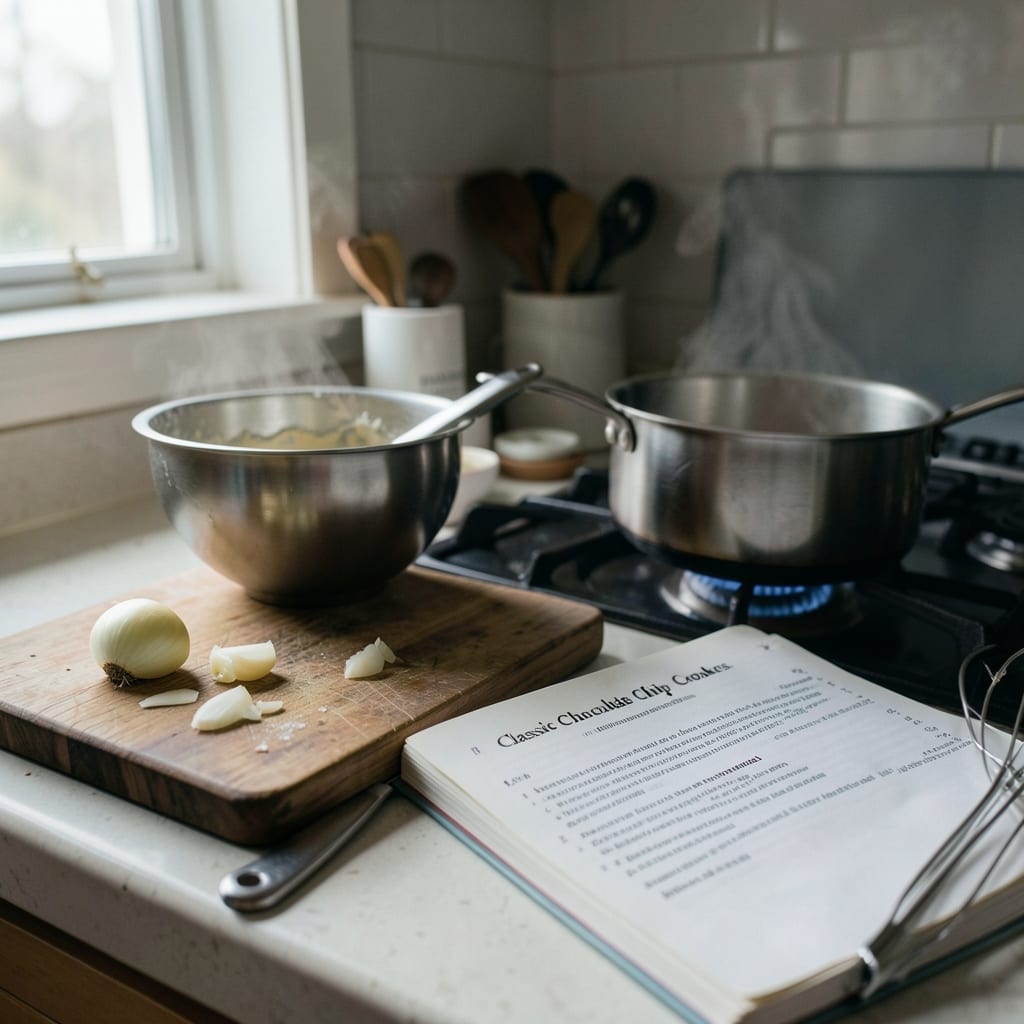
It started with a batch of mashed potatoes that never quite set
It was November 2015, and I’d just moved into my first real apartment. The kitchen was small, the stove old, and my only pot was a dented aluminum one I’d found at a thrift store.
I wanted to make mashed potatoes for a dinner party—creamy, smooth, the kind that cling to the fork and taste like comfort. I boiled Yukon Golds until they were tender, drained them, then mashed them with butter, warm milk, and a pinch of salt. The result?
A lumpy, watery mess that looked like it had been blended with a stick.
I tried again the next day, this time whipping the potatoes with a hand mixer. Better, but still too thin. The texture was all wrong—like pudding instead of velvet.
I added more butter, more milk, even a splash of cream, but no matter how I stirred it, the potatoes refused to hold together. The dinner party was in three days, and I was running out of time.
That night, I stayed up late, Googling every tip I could find. ‘Let them cool slightly before mashing,’ one said. ‘Use a ricer for the smoothest texture,’ another claimed. I tried both. The ricer made it worse—now it looked like wet sand.
The cooling trick helped a little, but the potatoes still broke apart when I tried to plate them. I ended up serving them with a side of gravy as a backup plan, but even that couldn’t save them.
Nine tries before it worked
The first five attempts were disasters. I switched to russet potatoes, thinking their starch would help, but they turned out gummy. Then I tried roasting them first, which made them dry and flaky.
One batch I mashed with a potato masher instead of a mixer—it was rustic, but the lumps were the size of marbles. I even tried adding a raw egg yolk as a binder, which only made the whole thing taste like a scrambled mess.
The sixth attempt was the worst. I followed a recipe that said to add sour cream for richness, but I used too much. The potatoes ended up tasting like cottage cheese and had the consistency of wet cement.
I threw half of it out and spent the next hour scraping the pot clean, swearing I’d never touch another spud.
Then, on the seventh try, something clicked. I boiled the potatoes until they were fork-tender but still held their shape, drained them *completely*, and let them sit for exactly five minutes before mashing.
I used a mixer, but only until the lumps were small, then folded in the butter and warm milk by hand. The result? Silky, thick, and rich—just like I’d imagined. I tested it the next day, and it still held together.
That batch became the first recipe I ever published here.
The mind behind these pages

I’m Jerome Ibarra, and I’ve spent the last decade chasing that perfect batch of mashed potatoes—or whatever dish I’m obsessed with at the moment. My grandmother’s kitchen was where I learned that cooking isn’t just about following steps; it’s about noticing when something’s off and trying again.
She’d say, ‘If it’s not right, make it again.’ That’s the rule I live by here.
I’m the kind of person who keeps a notebook full of failed experiments. My friends call it my ‘disaster log.’ My grandmother called it ‘practice.’ Either way, it’s how I know what works—and what doesn’t.
This site exists because I refused to stop at the seventh try, even when the eighth and ninth were just as bad.
Outside the kitchen, I’m the kind of person who forgets to water houseplants until they’re crispy, then buys three more the next week. My apartment is always half-packed because I’m convinced I’ll find a better pot or pan tomorrow.
But here? Here, every recipe is the result of that stubbornness—the kind that turns a lumpy mess into something worth sharing.
Everything here is written the way that batch of potatoes was
This site doesn’t publish recipes until they’ve been tested, retested, and tested again. That’s why you’ll never see a ‘perfect’ method here—just the real one, warts and all.
We write down the temperature of the milk, the exact amount of salt, and whether we had to scrape the bottom of the pot because the potatoes stuck. Nothing is left out.
A recipe here isn’t just a list of ingredients; it’s a record of what worked, what didn’t, and what we’d do differently next time. If a dish fails three times, we keep going.
If it succeeds on the fourth, we publish it—and we’ll tell you exactly why it took that long.
Even months later, if a recipe gets a comment like ‘This didn’t work for me,’ we’ll reply with a question: ‘What did you change?’ Because the only way to learn is to admit when something goes wrong—and then try again.
What that means for you
You’ll find recipes here that are approachable, flavorful, and—most importantly—real. No shortcuts, no magic ingredients, just the kind of dishes that make people pause mid-bite and say, ‘This is actually good.’ You won’t find anything that’s been Photoshopped or overhyped.
If a recipe says ‘simmer for 20 minutes,’ it means exactly that—not 15, not 25.
What you *will* find are the little details that make a difference: why we roast garlic before blending it into mashed potatoes, how long to let a sauce reduce, and when to walk away from the stove. Those are the things that turn a good meal into a great one.
If you’ve made one of our recipes and it turned out better—or worse—than expected, we’d love to hear about it. The best stories end up here, where they help someone else avoid a lumpy batch of potatoes—or discover their own version of success.
The recipes are grouped by category: Appetizers, Beverages, Breakfast & Brunch, Desserts, Main Courses and Reviews.