
Side Dishes
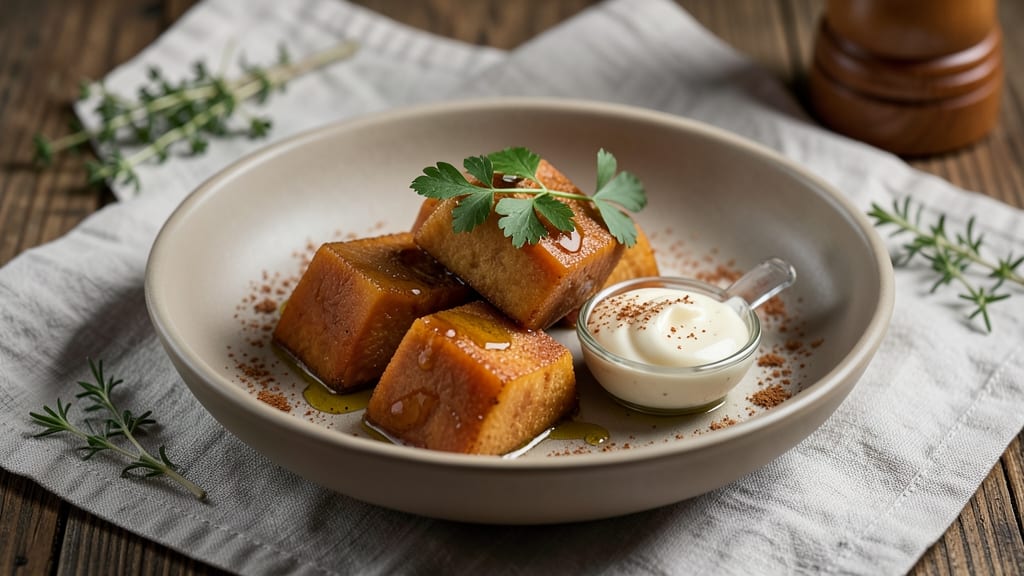
This 6-month-old sweet potato recipe delivers perfectly soft, mashable sweet potatoes packed with nutrients your baby needs to thrive. Steaming preserves all the natural goodness while creating a texture that’s gentle on tiny gums and easy to digest.
The key is simple preparation—no added salt, sugar, or allergens—just pure, wholesome nutrition in every bite.
Sweet potatoes are a powerhouse of vitamin A, fiber, and antioxidants, making them an ideal first food for babies. This recipe focuses on steaming or boiling until fork-tender, then mashing or pureeing to the perfect consistency.
The natural sweetness appeals to little ones while providing essential nutrients for growth and development.
What makes this recipe special is its versatility—serve as a standalone puree, mix into oatmeal, or blend with breast milk or formula for a gentle introduction to solids. The soft texture ensures easy swallowing, and the natural sweetness makes it a hit with even the pickiest eaters.
Store leftovers in the fridge for up to 3 days or freeze for longer shelf life, making it a convenient option for busy parents. As your baby grows, you can gradually adjust the texture by adding small pieces for self-feeding practice. Here’s how to prepare it safely and nutritiously.
Ingredients for 6 month old sweet potato
Four simple ingredients create the perfect nutrient-rich puree for your baby's first solids.
| Ingredient | Amount | Notes |
|---|---|---|
| Organic Sweet Potatoes 🍠 | 2 medium | Peeled, cubed into 1-inch pieces |
| Water 💧 | 2 cups | Filtered or boiled for safety |
| Breast Milk or Infant Formula 🍼 | ¼ cup | Optional for thinning puree |
| Cinnamon 🌿 | ⅛ tsp | Ground, optional for flavor |
| Extra Virgin Olive Oil 🫒 | ½ tsp | For moisture retention |
Choose organic sweet potatoes with vibrant orange flesh—the deeper the color, the higher the vitamin A content. Local farmers markets or Whole Foods bulk bins offer the freshest options, but any organic variety works. Avoid sweet potatoes with soft spots or sprouting eyes, as these indicate spoilage. The medium-sized variety cooks evenly—no need for large tubers. For extra convenience, pre-cut frozen sweet potato cubes (found in the organic section of Trader Joe's or Sprouts) save prep time while maintaining nutrition.
No need for breast milk or formula? Water or coconut water (unsweetened) works equally well for thinning. The olive oil isn't just for flavor—it helps retain moisture during storage, preventing that dry puree texture. Skip the cinnamon if introducing spices gradually, but it's a safe, gentle addition that many babies love. For storage flexibility, glass jars with airtight lids (like Wean Green or Munchkin brands) are best—they're freezer-safe and BPA-free. If you prefer plastic, look for silicone baby food storage bags that lay flat for easy freezing.
Freshly steamed sweet potatoes keep in the fridge for 3 days when stored in an airtight container. For longer storage, portion into 1-ounce servings (about 2 tablespoons) and freeze for up to 3 months. Thaw overnight in the fridge before serving. Label containers with dates—babies grow fast, and you'll want to use the oldest portions first. When reheating, warm gently in a small saucepan with a splash of water or breast milk to restore creaminess. Always test temperature before serving—it should be lukewarm, not hot.
Why You'll Love This Recipe
- Four-Ingredient Magic: I swear by this recipe—just sweet potatoes, a splash of breast milk or formula, cinnamon, and olive oil. That’s it. No peeling, no chopping, no stress. Steam the whole potato, mash it with warm milk, and a pinch of cinnamon transforms it into something irresistible.
- Warm & Familiar: The cinnamon isn’t just for flavor—it makes this taste like comfort, like home. My baby goes wild for it, and honestly, so do I when I sneak a bite. That natural sweetness from the potatoes? Perfectly balanced by the warmth of the spice.
- Batch & Store: Make a big batch on Sunday, and you’ve got breakfast, lunch, or dinner covered all week. The olive oil keeps it creamy without clumping, and it reheats like a dream. No wasted food, no last-minute scrambling—just smooth, nourishing meals ready to go.
- Budget Superstar: Sweet potatoes are cheap, and you’re using the whole thing—no scraps, no waste. A single potato stretches into multiple servings, and the cinnamon and olive oil are pantry staples. This recipe feeds your little one and your wallet without compromise.
Step-by-step instructions for soft sweet potato puree
This method delivers perfectly mashable sweet potatoes with ideal texture for infants.
Prepare and Steam the Sweet Potatoes
Place the peeled, cubed organic sweet potatoes in a steamer basket lined with a clean kitchen towel. This prevents the cubes from sticking together during cooking. Add the 2 cups of filtered or boiled water to the pot below the basket, ensuring the water doesn't touch the potatoes.
Cover and bring to a boil over medium-high heat. Once boiling, reduce to medium heat and steam for 15-20 minutes until the sweet potatoes are fork-tender. You'll know they're ready when a knife slides in easily with no resistance. The cubes should be soft enough to mash completely but still hold their shape slightly when pressed.
Drain and Mash Thoroughly
Remove the steamed sweet potatoes from the steamer and transfer them to a clean bowl. Discard the steaming water. Using a potato masher or fork, mash the sweet potatoes until completely smooth. For an extra-smooth texture, you may need to press through a fine-mesh strainer if your baby prefers ultra-smooth purees.
At this stage, you can add the 0.125 teaspoon of ground cinnamon if using, mixing it in gently. The cinnamon should dissolve completely into the puree. This step is optional but adds natural sweetness and warmth that many infants enjoy.
Incorporate Moisture for Perfect Consistency
Add the 0.5 teaspoon of extra virgin olive oil to the mashed sweet potatoes. The olive oil helps retain moisture and adds healthy fats that support your baby's development. Stir thoroughly to distribute evenly throughout the puree.
For a thinner consistency, gradually add the 0.25 cup of breast milk or infant formula, one tablespoon at a time, while stirring continuously. The ideal texture should be smooth and slightly thick, similar to yogurt or pudding. This consistency is perfect for spoon-feeding while allowing your baby to practice self-feeding as they develop.
Cool and Serve Safely
Transfer the sweet potato puree to a clean, airtight container. Allow it to cool to room temperature before refrigerating. This gradual cooling process is essential for preventing bacterial growth and ensuring food safety for your infant.
Store in the refrigerator for up to 48 hours or freeze in ice cube trays for longer storage. When serving, gently reheat in a small saucepan over low heat, stirring constantly until warmed through. Never microwave directly as it can create hot spots. The puree should be lukewarm before serving to your baby.
Pro Tips For Making 6 Month Old Sweet Potato
- STEAM WITHOUT BOILING: Skip the boiling water entirely—just place peeled sweet potato chunks in a steamer basket over simmering water (no direct contact). I learned this the hard way after my first batch turned soggy from over-boiling, which makes the texture mushy for little ones. A few minutes less cooking time preserves that firm, easy-to-mash consistency.
- PEEL AFTER COOKING: Leave the skin on until after steaming—it protects the flesh from drying out and speeds up cooking. After steaming, just rub the skin off with a paper towel; it peels away like magic. (Yes, even with organic potatoes—just wipe them clean first.)
- CINNAMON LAST: Add cinnamon only after mashing or blending, not during cooking. Heat destroys its delicate flavor, and you want that warm, cozy taste intact. A pinch (¼ teaspoon max) is plenty—babies notice when it’s overpowering.
- OLIVE OIL AFTER MASHING: Mix in the extra virgin olive oil after adding breast milk or formula, not before. The oil emulsifies better with the liquid, creating a smoother, more digestible texture. Start with ½ teaspoon—you can always add more, but you can’t take it away.
Troubleshooting great 6 month old sweet potato
Undercooked Sweet Potatoes
If your sweet potatoes aren't soft enough after 15-20 minutes of steaming, they're likely undercooked. This usually happens with larger cubes or older sweet potatoes. Cut them into ½-inch pieces next time and steam for an additional 5-10 minutes.
For extra insurance, test doneness by piercing with a fork—it should slide in easily. 🌱
Overly Dry Puree
Dry sweet potato puree often results from insufficient moisture during cooking or storage. To fix this, add 1-2 teaspoons of breast milk or water while reheating. For prevention, steam with ½ cup extra water or add 1 teaspoon olive oil during mashing.
Store in glass containers with tight lids to preserve moisture longer.
Lumpy Texture
Lumps happen when sweet potatoes aren't mashed thoroughly enough. Use a potato ricer or press through a fine-mesh strainer for ultra-smooth results. For quick fixes, blend with 2 tablespoons breast milk and pulse until silky. I find Ninja food processors work best for baby food textures.
Discoloration After Cooking
Grayish sweet potatoes indicate oxidation from exposure to air. To prevent this, store cooked sweet potatoes in an airtight container with a splash of lemon juice (if your baby is over 8 months) or breast milk.
For immediate fixes, mix in ½ teaspoon olive oil—it helps maintain the natural orange color while adding healthy fats.
Storage-Related Texture Issues
Freezer burn creates icy crystals that make puree grainy. Always store sweet potato puree in silicone ice cube trays or glass jars with airtight lids.
Press plastic wrap directly on the surface before sealing to minimize air exposure. Thaw overnight in the fridge and reheat gently—never microwave directly from frozen.
Baby Rejects the Puree
If your baby turns up their nose, try these adjustments: Add a pinch of cinnamon for natural sweetness or mix with avocado puree for creaminess. Serve at room temperature rather than cold.
I've found that offering sweet potatoes alongside familiar flavors (like banana or oatmeal) often helps babies accept new tastes. 💛
Nutrition facts
Frequently asked questions
Can I use regular potatoes instead of sweet potatoes for my 6-month-old?
Sweet potatoes are the better choice for babies because they're naturally sweeter, easier to digest, and packed with more vitamin A. Regular potatoes lack this nutritional boost and can be harder to mash smoothly. If you're concerned about cost, try frozen organic sweet potato cubes—they're just as nutritious and often more affordable than fresh.
How do I know when sweet potatoes are perfectly cooked for baby food?
They should be fork-tender with no resistance when pierced—like a perfectly cooked potato. For babies, aim for cubes that collapse completely when pressed with a fork. Overcooking can make them dry, while undercooked pieces may be tough. The 15-20 minute steaming time in the recipe ensures ideal texture every time.
Is it safe to add honey or sugar to sweet potato puree for babies?
No, never add honey or sugar to baby food before 1 year old. Honey contains botulism spores dangerous for infants, and added sugar isn't necessary—sweet potatoes are naturally sweet. For flavor, try a pinch of cinnamon (after 6 months) or blend with mashed banana for natural sweetness without any additives.
Can I make this recipe ahead of time and freeze it?
Portion into 1-ounce servings (about 2 tablespoons) and freeze in silicone ice cube trays or glass jars. Thaw overnight in the fridge and reheat gently in a small saucepan with a splash of water or breast milk. Frozen sweet potato puree keeps its nutrients for up to 3 months—just label containers with dates to track freshness.
How can I adjust the texture as my baby grows?
For 6-8 months, keep it smooth for spoon-feeding. At 8+ months, mash coarsely or cut into soft sticks for self-feeding practice. By 10-12 months, serve small diced pieces alongside other foods. The same recipe works—just change how you serve it to match your baby's developmental stage.