
Side Dishes
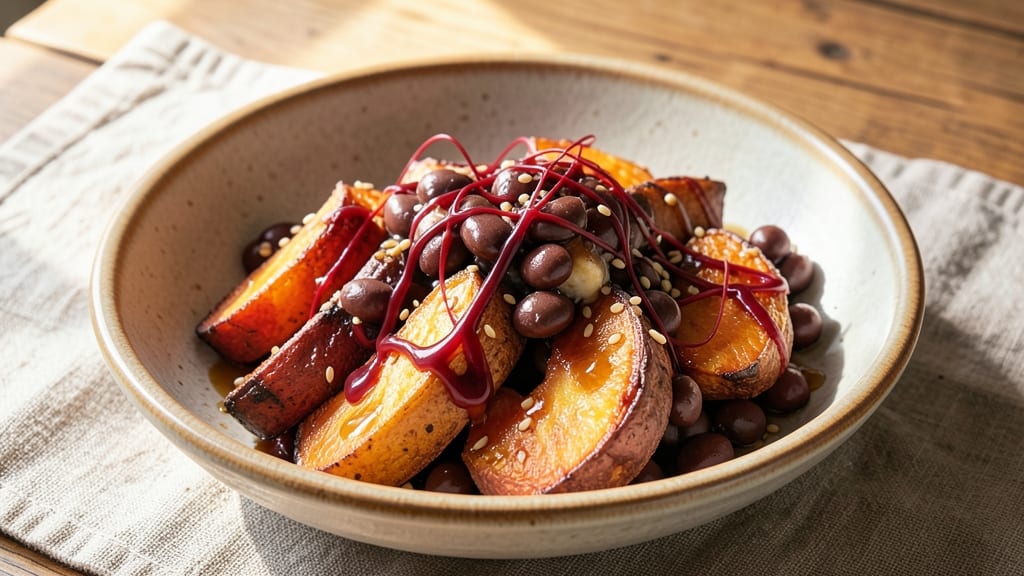
This adzuki beans sweet potato recipe transforms humble ingredients into a hearty, umami-rich one-pot that’s both comforting and nutritious.
The combination of earthy sweet potatoes and tender adzuki beans creates a dish that’s naturally sweet, savory, and packed with plant-based protein—perfect for a satisfying side or even a main course when paired with grains.
I’ve perfected this recipe over years of experimenting with Japanese-inspired flavors, and it never fails to deliver restaurant-quality results at home.
The beauty of this dish lies in its simplicity: one pot, minimal prep, and no fancy techniques. Sweet potatoes roast until caramelized and tender, while adzuki beans simmer until creamy, absorbing the rich flavors of garlic, ginger, and soy sauce.
The result is a harmonious blend of textures and tastes—soft potatoes, hearty beans, and a glossy sauce that ties everything together. It’s the kind of dish that gets better as leftovers, making it ideal for meal prep or feeding a crowd.
What sets this recipe apart is the umami-sweet balance, achieved through a careful mix of soy sauce, miso, and a touch of maple syrup. The adzuki beans add a subtle earthiness, while the sweet potatoes bring natural sweetness that’s rounded out by a hint of acidity from rice vinegar.
This dish is naturally vegan, gluten-free (if using tamari), and packed with fiber, making it a standout for health-conscious eaters without sacrificing flavor.
Serve this one-pot wonder alongside steamed rice for a complete meal, or pair it with a simple green salad and miso soup for a well-rounded, traditional-inspired spread.
The leftovers reheat beautifully, so you’ll have a go-to dish for busy weeknights or cozy weekend dinners. Ready to try it? Let’s get cooking!
Ingredients for adzuki beans sweet potato
Japanese-inspired flavors meet plant-based nutrition in this one-pot masterpiece.
| Ingredient | Amount | Notes |
|---|---|---|
| Adzuki Beans (Dried) 🌱 | 1 cup | Rinsed before cooking |
| Sweet Potatoes 🍠 | 2 lb | Medium, peeled and cubed |
| Red Miso Paste 🧈 | 2 tbsp | High-quality fermented |
| Soy Sauce (or Tamari) 🍶 | ⅓ cup | Gluten-free if needed |
| Maple Syrup 🍁 | 2 tbsp | Pure, grade A |
| Rice Vinegar 🍶 | 1 tbsp | Seasoned preferred |
| Fresh Ginger 🌿 | 1 tbsp | Grated, aromatic |
| Garlic Cloves 🧄 | 4 cloves | Minced, fresh preferred |
| Vegetable Oil 🫒 | 2 tbsp | High smoke point |
| Water 💧 | 4 cups | Filtered preferred |
| Sea Salt 🧂 | 1 tsp | Diamond Crystal preferred |
| White Sesame Seeds 🌾 | 1 tbsp | Toasted for garnish |
| Fresh Parsley 🌿 | ¼ cup | Chopped, for garnish |
Adzuki beans are the heart of this dish, and high-quality dried beans make all the difference. Japanese or Korean markets often carry the best varieties—look for small, firm beans with no cracks. Sweet potatoes should be firm with vibrant orange flesh; organic varieties from the produce section at Whole Foods or Trader Joe's tend to be the sweetest. The miso paste is non-negotiable—red miso from Marukome or Hessun delivers that deep umami flavor. If using tamari, ensure it's certified gluten-free for strict dietary needs. For the sweet potatoes, medium-sized works best—they'll yield about 2 cups of cubed pieces, perfect for even cooking.
No red miso? White miso or a blend of both works, though the color will differ. Short on maple syrup? Agave nectar or brown sugar (ensure it's vegan) does the trick, though maple adds subtle complexity. The rice vinegar can be swapped for apple cider vinegar at half the amount, but seasoned vinegar adds that extra depth. Fresh ginger and garlic are ideal, but powdered ginger at one-third the amount or jarred minced garlic (drained) will suffice in a pinch. The sesame seeds can be omitted if you're avoiding nuts entirely, but they add a lovely crunch.
This dish reheats beautifully—simmer gently on the stove or microwave with a splash of water. Stores for 4-5 days in the fridge, or freeze portions for up to 3 months. For meal prep, double the recipe and portion into containers—pair with steamed rice for a complete meal. The flavors deepen overnight, so leftovers often taste even better. Garnish with sesame seeds and parsley just before serving to keep everything fresh-tasting.
Why You'll Love This Recipe
- One-Pan Magic: I swear by this recipe when I’m too tired to scrub pots—just toss the sweet potatoes and soaked adzuki beans on a sheet pan, drizzle with miso and soy, and let the oven do the work. The beans soften into creamy perfection while the potatoes caramelize, all without switching pans.
- Umami-Sweet Balance: That red miso and maple syrup combo? It’s the secret weapon. The miso gives this dish a deep, savory richness, while the maple syrup adds just enough sweetness to make it feel like dessert. (Yes, even on a Tuesday night.)
- Meal Prep MVP: I make a big batch on Sundays and keep it in the fridge for the week—it reheats beautifully and tastes just as good cold. The beans hold their texture, and the sweet potatoes stay tender, so it’s perfect for lunches or quick dinners when I’m running late.
- Budget-Friendly Pantry Staples: Adzuki beans and sweet potatoes are cheap, and I always have miso and soy sauce on hand. This recipe stretches a long way without breaking the bank, and honestly? It’s one of those dishes that makes me feel like I’m cooking a fancy meal even when I’m just throwing together leftovers.
Step-by-step instructions for adzuki beans sweet potato one-pot
This method delivers a perfectly balanced dish with tender beans and caramelized sweet potatoes in a single pot.
🍳 Step 1: Sauté Aromatics Until Fragrant
Heat the 2 tablespoons vegetable oil in a large, heavy-bottomed pot over medium heat. Add the 4 minced garlic cloves and 1 tablespoon grated fresh ginger and cook for 1-2 minutes until the garlic becomes golden and fragrant—this releases their full flavor potential.
Next, add the 2 tablespoons red miso paste, stirring constantly for 30 seconds to fully incorporate. The miso will darken slightly as it melts into the oil, creating a rich umami foundation for the dish. This step develops the complex flavor profile that makes this recipe special.
🥘 Step 2: Add Sweet Potatoes and Initial Seasoning
Toss the 2 pounds cubed sweet potatoes into the pot with the miso mixture, stirring to coat them evenly. Add the 4 cups water and 1 teaspoon sea salt, bringing everything to a gentle simmer over medium-high heat. The sweet potatoes should be submerged, but don't worry if they float slightly—they'll settle as they cook.
Once simmering, reduce heat to medium-low and let the sweet potatoes cook for 15 minutes, partially covered. You'll notice the water begins to reduce slightly and the sweet potatoes start to soften at the edges. This initial cooking phase builds their natural sweetness while preventing them from sticking to the bottom.
👨🍳 Step 3: Incorporate Adzuki Beans and Liquid Balance
After the sweet potatoes have softened, add the 1 cup rinsed adzuki beans to the pot. Stir gently to distribute them evenly throughout the liquid. The beans will begin to absorb moisture immediately, so add ½ cup more water if needed to maintain proper liquid levels—this ensures even cooking and prevents the beans from drying out.
Continue simmering uncovered for 20-25 minutes, stirring occasionally. You'll know the beans are nearly tender when they begin to float to the surface and their skins start to split slightly. The sweet potatoes should be fork-tender but still hold their shape—this balance of textures is crucial for the perfect bite.
🔥 Step 4: Build the Sweet-Savory Sauce
Increase heat to medium-high and add the ⅓ cup soy sauce (or tamari), 2 tablespoons maple syrup, and 1 tablespoon rice vinegar. Stir well to combine, then reduce heat to low and let the mixture simmer uncovered for 10-12 minutes. The liquid will reduce significantly, creating a glossy, concentrated sauce that coats every ingredient.
During this time, the sweet potatoes will finish caramelizing slightly at the edges, developing a beautiful golden-brown color. The sauce should thicken to a syrupy consistency that clings to the beans and potatoes—this is where the umami-sweet balance truly shines. Taste and adjust seasoning if needed, adding a pinch more salt if the soy sauce wasn't enough.
⏰ Step 5: Rest and Garnish for Optimal Texture
Once everything is tender and the sauce has reached your desired consistency, remove the pot from heat and let the dish rest for 5 minutes. This resting period allows the flavors to meld completely and the beans to finish absorbing any remaining liquid, resulting in a more cohesive texture.
Before serving, toast the 1 tablespoon white sesame seeds in a dry skillet over low heat for 1-2 minutes until fragrant. Garnish each serving with the toasted sesame seeds and ¼ cup chopped fresh parsley. The sesame seeds add a nutty crunch while the parsley provides a fresh contrast to the rich flavors. Serve immediately while the sweet potatoes are still warm and tender.
Pro Tips For Making Adzuki Beans Sweet Potato
- SOAK BEANS OVERNIGHT: I learned this the hard way—rushing the soak means gummy, uneven beans. Cover dried adzuki beans in water for at least 8 hours (or overnight) before cooking, then drain and rinse. This cuts cooking time by half and keeps them from splitting apart when simmered with sweet potatoes.
- PEEL SWEET POTATOES AFTER COOKING: Peeling raw sweet potatoes is a mess, but cooked ones slide right off the skin. Boil or steam them whole until fork-tender, then cool slightly before peeling—no knife fights, just smooth cubes. (Yes, even if you're impatient like me.)
- LOW-HEAT MISO MELT: Red miso paste burns faster than you’d think. After adding it to the simmering beans and sweet potatoes, reduce heat to medium-low and stir constantly for 2-3 minutes. This lets the umami deepen without turning bitter—trust the process, even if it looks weird.
- SAVE THE SOAK LIQUID: That starchy water from drained adzuki beans? Don’t dump it. Strain it and add ½ cup back to the pot when simmering—it thickens the sauce naturally and adds depth. (Your future self will thank you for not wasting it.)
Pro cooking tips for adzuki beans sweet potato
Sweet Potato Prep
Cutting sweet potatoes into even 1-inch cubes ensures they cook uniformly. I find using a sharp chef's knife or a mandoline slicer makes this task faster and safer.
For extra caramelization, toss the cubes with ½ teaspoon olive oil before adding them to the pot—this helps develop deeper flavor during the simmering process. 🍠
Bean Soaking Secrets
While adzuki beans don't require soaking, I recommend rinsing them thoroughly to remove any debris. For faster cooking, you can soak them in warm water for 1 hour before adding to the pot.
This reduces cooking time by about 10 minutes and helps prevent the beans from splitting open too soon. The key is using fresh, high-quality dried beans—never canned, as they lack the texture and flavor depth.
Sauce Thickness Control
The sauce should coat the back of a spoon but remain pourable. If it thickens too quickly, add 1-2 tablespoons water at a time until you reach the right consistency.
For extra richness, stir in 1 teaspoon butter or coconut oil during the final 5 minutes of cooking. This adds a velvety texture without overpowering the natural flavors. 🧈
Flavor Layering
Add the miso paste and soy sauce separately to control flavor development. First, cook the miso alone with the aromatics to develop its umami depth, then add the soy sauce later to brighten the dish.
This two-step approach prevents the soy from overpowering the delicate miso flavor. For an extra layer of complexity, add ½ teaspoon grated lemon zest during the final simmer.
Equipment Essentials
A heavy-bottomed Dutch oven or large enameled pot prevents sticking and distributes heat evenly. If you don't have one, a stainless steel pot with a tight-fitting lid works well.
Avoid nonstick pots for this recipe—they can't handle the prolonged simmering time without degrading. A fine-mesh strainer also comes in handy for rinsing beans efficiently. 🔥
Texture Mastery
For perfectly tender beans with slight bite, aim for 25-30 minutes of simmering time. Overcooking turns them mushy, while undercooking leaves them chalky. The sweet potatoes should be fork-tender but still hold their shape—this balance creates the ideal texture contrast.
If they're not quite there, add ¼ cup water and simmer 5 more minutes covered. ✨
Nutrition facts
Frequently asked questions
Can I substitute canned adzuki beans for dried?
Canned beans work in a pinch, but they lack the rich texture and flavor of dried. If using canned, drain and rinse thoroughly, then simmer them in the pot for 10-15 minutes to absorb the flavors. For best results, stick with dried beans—they develop deeper umami and hold their shape better.
How do I adjust this recipe for a slow cooker?
Transfer all ingredients to your slow cooker and cook on low for 6-7 hours or high for 3-4 hours. Add ½ cup extra water since slow cookers evaporate more liquid. The beans and sweet potatoes will soften gradually, creating a more hands-off version of this dish.
What's the best way to store leftovers?
Store in an airtight container in the fridge for 4-5 days. The flavors actually improve overnight! Reheat gently on the stove with a splash of water to restore moisture. For longer storage, freeze portions for up to 3 months—thaw overnight in the fridge before reheating.
Can I make this dish spicier?
Add ½ teaspoon red pepper flakes with the aromatics or 1 teaspoon gochujang (Korean chili paste) when building the sauce. For heat lovers, stir in 1 sliced fresh chili during the final simmer. Adjust to taste—this dish handles bold flavors beautifully!
What are good serving suggestions?
Pair with steamed jasmine rice for a complete meal, or serve over quinoa for extra protein. Top with avocado slices or crispy fried shallots for texture contrast. For a full spread, add miso soup and quick-pickled vegetables to balance the richness.