Breakfast & Brunch
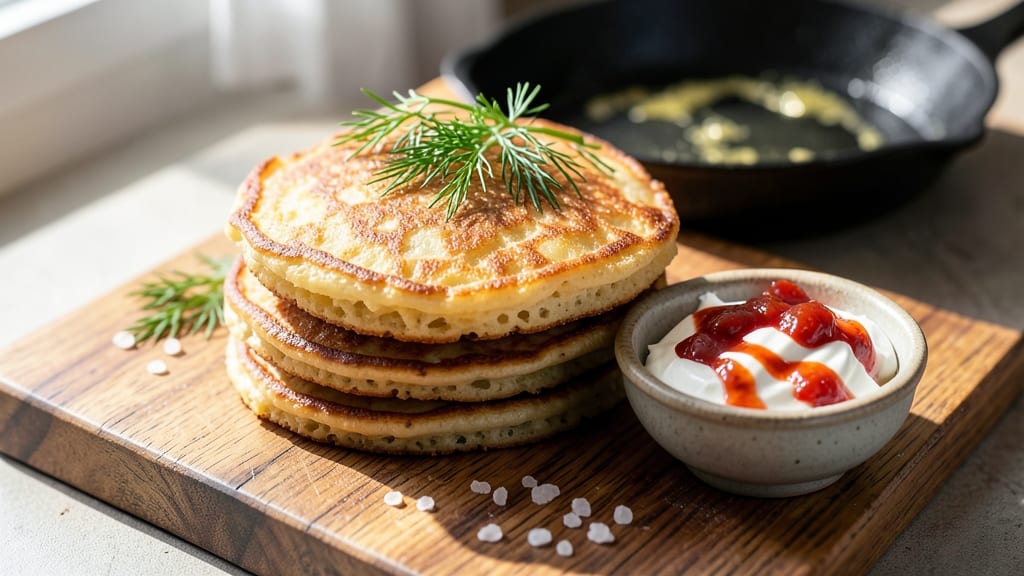
This Amish potato pancake recipe delivers the crispy, golden edges and tender centers that make them a Pennsylvania Dutch breakfast staple.
The secret lies in freshly grated potatoes, a light egg-and-flour binder, and medium-high heat that creates that signature shatterproof crunch—especially when finished with a sprinkle of mustard powder for that signature golden bite.
I first discovered these pancakes at a local Amish market, where the aroma of buttery, sizzling pancakes drew crowds before the first bite was even taken.
The traditional method requires no fancy equipment—just a box grater, a bowl, and a skillet. You'll mix grated potatoes with beaten eggs, flour, salt, and pepper, then fry them in small batches until golden brown on both sides.
The key to perfect texture is using starchy potatoes like Russets and pressing them dry to remove excess moisture before cooking. This ensures crispy edges without a greasy center.
What makes these pancakes special is their versatility—serve them warm with applesauce for a sweet contrast, sour cream for tangy richness, or even as a savory side with bacon and eggs.
The crispy exterior gives way to a tender, potato-forward interior that's both hearty and comforting. Once you try these homemade versions, store-bought potato pancakes will never compare.
For an extra touch, try adding finely chopped onions or fresh herbs like parsley to the batter for added depth. The recipe scales easily, making it perfect for brunch gatherings or a cozy family breakfast.
Ready to make the most of your potatoes? Let's get started with this classic recipe that's been a breakfast favorite for generations.
Ingredients for amish potato pancake
Nine simple ingredients for crispy, golden potato pancakes that taste like Amish market magic.
| Ingredient | Amount | Notes |
|---|---|---|
| Russet Potatoes 🥔 | 3 lb | Freshly grated, starchy variety |
| Large Eggs 🥚 | 2 whole | Beaten until frothy |
| All-Purpose Flour 🌾 | ½ cup | For crispy texture |
| Unsalted Butter 🧈 | ½ cup | Melted for frying |
| Yellow Mustard Powder 🌶️ | 1 tbsp | For signature golden crunch |
| Salt 🧂 | 1 tsp | Kosher or sea salt |
| Ground Black Pepper 🌶️ | ½ tsp | Freshly ground preferred |
| Onion (Optional) 🧅 | ¼ cup | Finely chopped, for depth |
| Fresh Parsley (Optional) 🌿 | ¼ cup | Chopped, for freshness |
Russets are your best friend here—their starchy nature gives that signature shatterproof crunch. Skip the pre-grated bags at the store; a box grater makes all the difference. I always grab Russets from Trader Joe's or the local grocery store's organic section—they're wax-free and hold up better. Grate them right before cooking to prevent browning. For extra crispiness, press the grated potatoes in a clean kitchen towel to remove excess moisture before mixing with the batter. This step is non-negotiable if you want that perfect golden edge.
No mustard powder? Dijon mustard at half the amount works in a pinch, but the powder gives that signature golden hue. Swapping the butter? Vegetable oil or lard keeps things crispy, though butter adds that rich flavor. The onion and parsley are optional but add serious depth—frozen chopped onions work if you're in a rush. If you're feeling fancy, add a pinch of paprika for extra color. The flour is key for binding, but don't overmix—just enough to hold everything together without making them dense. And trust me, freshly ground pepper makes a world of difference.
These pancakes are best made fresh, but you can prep the batter ahead and refrigerate it for up to 12 hours. They reheat beautifully in a skillet—just a minute or two until crispy again. Store any leftovers in an airtight container for 3-4 days, though I've never had them last that long. Freezing isn't ideal because they lose their crispiness, but if you must, flash-freeze them on a tray before transferring to a bag for up to 2 months. Serve with applesauce, sour cream, or even a fried egg on top for the ultimate breakfast.
Why You'll Love This Recipe
- Crispy with Zero Fuss: I swear, the secret’s in the grating—no peeling, no dicing, just shred those Russets raw and squeeze out the moisture. That’s it. The pancakes turn out golden and perfect every time, even if I’m half-asleep at 7 AM.
- Mustard Magic Twist: Honestly, the yellow mustard powder is what makes this stand out. It adds this subtle tang that cuts through the richness of the butter, giving each bite a little zing. Not too strong, just enough to make you want seconds.
- Breakfast or Dinner Hero: Between us, I’ve served these for brunch with applesauce, as a side with bacon, and even as a late-night snack with sour cream. The eggs and flour bind them just enough to hold up to any meal—no one’s ever complained.
- Budget-Friendly Staples: Russets and eggs are cheap, and this recipe stretches them far. I make a double batch on Sundays, freeze half, and pull them out whenever I need a quick, filling meal. Zero waste, all flavor.
Step-by-step instructions for Amish potato pancakes
Here's how to make these legendary pancakes with a crispy exterior and fluffy interior.
👨🍳 Step 1: Grate and Squeeze the Potatoes
Start by grating the 3 lb Russet Potatoes using a box grater or food processor with a grating attachment. You want fine, uniform shreds—no large chunks. As you grate, place the potatoes in a clean kitchen towel or cheesecloth and gather the ends together.
Squeeze out every last drop of moisture—this is critical for crispy pancakes. I like to twist the towel tightly and press down with my hands, then wring it out like a wet washcloth. The less moisture, the better the texture. Spread the squeezed potatoes on a clean surface and sprinkle with 1 tsp Salt and 0.5 tsp Ground Black Pepper. Toss gently to distribute evenly.
🥘 Step 2: Mix the Wet and Dry Ingredients
In a large bowl, combine the squeezed potatoes with 2 whole Large Eggs (beaten until frothy) and 0.5 cup All-Purpose Flour. Add 1 tbsp Yellow Mustard Powder—this gives those pancakes their signature golden crunch. If using, fold in the 0.25 cup Onion (finely chopped) and 0.25 cup Fresh Parsley (chopped) at this stage.
Mix everything together with your hands or a wooden spoon until just combined. Don't overmix—you're looking for a thick, shaggy batter that holds its shape when scooped. If the mixture feels too wet, add a little more flour, 1 tablespoon at a time, until it's workable. The batter should cling together when pressed but not be gluey.
🔥 Step 3: Heat the Butter and Fry the Pancakes
Melt 0.5 cup Unsalted Butter in a large skillet over medium heat. You want the butter to be hot but not smoking—it should bubble gently when you add the pancakes. Use about 1 tablespoon of butter per pancake for best results.
Scoop the batter into 4 equal portions (about 1 cup each) and gently flatten them into ½-inch thick pancakes. Place them in the skillet, spacing them about 2 inches apart. Don't press down—they'll spread naturally. Cook for 3-4 minutes per side, until golden brown and crispy on both sides. The edges should look slightly darker than the centers, and you'll see little bubbles forming on the surface.
⏰ Step 4: Drain and Serve Warm
Transfer the cooked pancakes to a paper towel-lined plate to drain any excess butter. Keep them warm in a 200°F oven while you cook the remaining pancakes. The residual heat helps them stay crispy until serving.
Serve immediately with your favorite toppings—applesauce, sour cream, or extra butter. These pancakes are best enjoyed fresh when they're still shatterproof and golden. If you're making them ahead, reheat in a 350°F oven for 5-10 minutes to restore crispiness. The mustard powder gives them that signature crunch that sets them apart from regular potato pancakes.
Pro Tips For Making Amish Potato Pancake
- GRATE THE POTATOES COLD: I learned this the hard way—warm potatoes release starch like a sieve, and your pancakes turn into glue. Keep the Russets in the fridge until the last second, then grate them straight from the cold. The extra effort keeps your batter from turning into a sad, sticky mess.
- RICE THE POTATOES DRY: This isn’t the prettiest method, but it’s the tastiest: after grating, spread the potatoes on a clean kitchen towel and let them sit for 10 minutes. The towel soaks up excess moisture, so when you mix in the flour and egg, you won’t end up with pancakes that steam instead of brown. (Yes, even if you’re impatient like me.)
- USE BUTTER, NOT OIL: Amish potato pancakes need butter—unsalted, room-temperature butter—for that rich, golden crust. I used to cut corners with vegetable oil, but the flavor just isn’t the same. A 2-tablespoon pat per pancake (yes, melt it first) makes all the difference when frying.
- PRESS THE BATTER THIN: Skip the urge to pile high—thin, even pancakes crisp up faster and cook through without turning gummy. Use the back of a spoon to flatten the batter into ¼-inch circles before sliding them into the pan. (Your future self will thank you when the center’s actually done.)
Dietary considerations for these flavors
Gluten-Free Adaptation
Swap the all-purpose flour for a gluten-free 1:1 baking flour blend like Bob's Red Mill or King Arthur. Use the same ½ cup measurement—just ensure it's labeled for crispy fried foods. The mustard powder still works, but add 1 tsp xanthan gum to help bind the batter properly. 🥔
Dairy-Free Options
Replace the ½ cup unsalted butter with ½ cup avocado oil or vegetable shortening for frying—both maintain crispiness. For a richer flavor, use dairy-free butter like Miyoko's. Keep the mustard powder and egg as-is, but ensure your flour blend is certified dairy-free.
Egg-Free Binding
For vegan pancakes, replace the 2 eggs with ¼ cup ground flaxseed mixed with ¾ cup water (let sit for 5 minutes to thicken). Add 1 tbsp nutritional yeast for a cheesy note.
The mustard powder and flour remain the same, but you may need 1 extra tbsp flour to compensate for the flax's moisture. 🌱
Lower-Carb Version
Use ½ cup almond flour instead of all-purpose flour and reduce the potatoes to 2 lb (about 4 cups grated). The mustard powder adds flavor without carbs, and 1 tbsp psyllium husk powder helps bind the batter. Fry in avocado oil for a crispy, keto-friendly result.
Allergen-Friendly Notes
Always check labels: mustard powder can contain soy or dairy traces, and flour blends may include egg or milk derivatives. For nut-free kitchens, use a dedicated nut-free oil like canola. Cross-contamination is the real risk—clean all surfaces before prepping if allergies are severe.
Nutrition facts
Frequently asked questions
Why do Amish potato pancakes turn out soggy?
The #1 cause is excess moisture in the grated potatoes. Always press them dry in a clean towel before mixing—this step is non-negotiable for crispy results! Also, avoid overcrowding the pan (cook 2-3 at a time) and use medium-high heat to maintain proper temperature. If your pancakes still feel damp, try adding an extra 1 tablespoon flour to the batter.
Can I make these pancakes ahead of time?
Yes! Prepare the batter up to 12 hours ahead and refrigerate it. For best results, cook fresh pancakes when ready to serve. If reheating, place them in a 350°F oven for 5-10 minutes to restore crispiness. Never microwave—they'll turn rubbery. The mustard powder helps maintain that golden crunch even when reheated.
What's the secret to getting that golden crunch?
The magic comes from three things: yellow mustard powder (1 tbsp), medium-high heat (not too hot!), and freshly grated potatoes pressed dry. The mustard reacts with the butter to create that signature golden color. For extra crunch, use a mix of butter and oil (like 1/4 cup butter + 1/4 cup oil)—this gives the best of both worlds in flavor and texture.
Are these pancakes good for brunch with guests?
They're perfect for brunch because they can be made ahead (batter only) and reheated quickly. Serve with classic toppings like applesauce, sour cream, or even a fried egg on top. For a crowd, double the recipe—they disappear fast! The crispy edges and tender centers make them a showstopper that feels special but is surprisingly easy to prepare.
What if I don't have a box grater?
No problem! Use a food processor with a grating blade or even a sharp knife to shred the potatoes by hand (though it's more time-consuming). For best texture, aim for fine, even shreds. If using a food processor, pulse in short bursts to avoid overheating the potatoes. The key is uniform shreds—this helps create that perfect crispy texture when fried.