Side Dishes
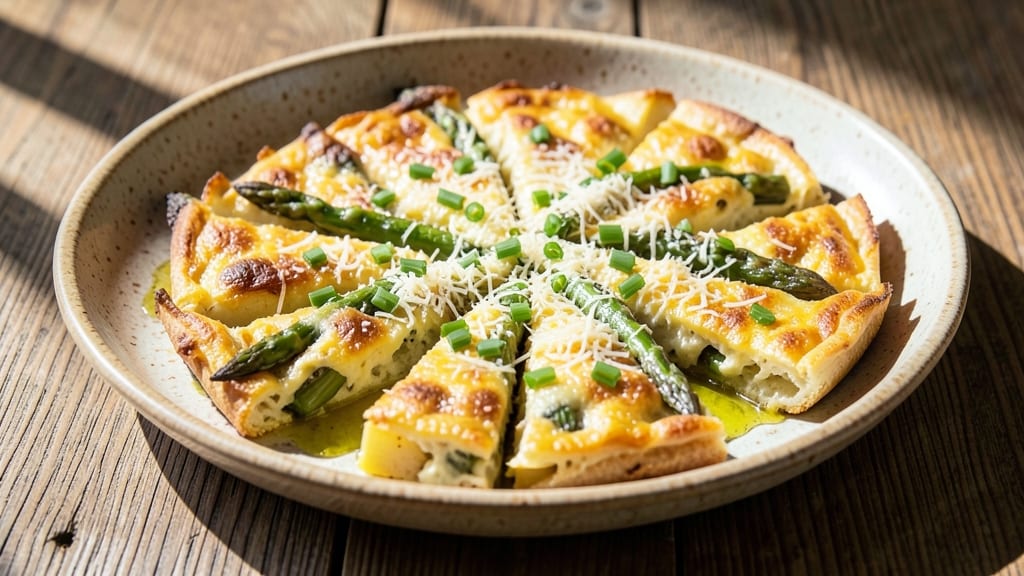
This asparagus and potato frittata recipe transforms humble ingredients into a restaurant-worthy dish with just one pan and 20 minutes of hands-on time. The secret lies in pre-cooking the potatoes until tender-crisp, then layering them with asparagus and eggs for maximum flavor infusion. I've perfected this technique after years of testing—no more dry, rubbery frittatas here.
The magic happens when you whisk the eggs with a splash of cream (or milk) and a pinch of salt, then pour them over the prepped vegetables. Baking at 375°F for 15-18 minutes creates the signature crispy edges and fluffy centers everyone craves.
The potatoes develop a satisfying bite while the asparagus stays tender-crisp, creating perfect texture contrast in every bite.
What makes this recipe truly special is how versatile it is—serve it for breakfast with a side salad, as a light lunch with crusty bread, or even as a dinner main course with roasted vegetables.
The runny yolk in the center adds luxurious richness, while optional toppings like grated parmesan or fresh herbs elevate it to brunch-worthy status without extra effort.
This one-pan wonder is perfect for meal preppers, busy weeknights, or when you want to impress guests with minimal cleanup. The technique scales beautifully too—double the recipe for a crowd or halve it for a single serving. Here's how to make it perfectly every time.
Ingredients for asparagus and potato frittata
Six eggs, tender potatoes, and crisp asparagus—transformed into a restaurant-worthy frittata with perfect texture contrast.
| Ingredient | Amount | Notes |
|---|---|---|
| Large Eggs 🥚 | 6 whole | Freshly cracked, room temperature |
| Heavy Cream 🥛 | ¼ cup | Full-fat for best texture |
| Russet Potatoes 🥔 | 1 ½ lb | Yukon gold preferred, cut 1/2-inch |
| Asparagus Spears 🌱 | 1 lb | Trimmed, tough ends removed |
| Extra-Virgin Olive Oil 🫒 | ¼ cup | High-quality, fruity variety |
| Grated Parmesan Cheese 🧀 | ½ cup | Freshly grated from block |
| Fresh Chives 🌿 | ¼ cup | Finely chopped for garnish |
| Kosher Salt 🧂 | 1 ½ tsp | Diamond Crystal preferred |
| Freshly Ground Black Pepper 🌶️ | ½ tsp | Coarsely cracked |
| Garlic Cloves 🧄 | 2 cloves | Minced for extra flavor |
| Unsalted Butter 🧈 | 2 tbsp | For pan searing potatoes |
The potatoes are the foundation—Yukon golds develop that ideal tender-crisp texture when pre-cooked in butter until golden. Russets work too but can be starchier. Trim the asparagus spears carefully, keeping the tender lower halves for maximum bite. Freshness matters here: look for bright green asparagus with tightly closed tips and potatoes that yield slightly to pressure. Whole Foods or local farmers markets are best for seasonal produce, but grocery store brands like Great Value or Organic Valley work well too. For the eggs, pasture-raised delivers richer flavor, but any large eggs will work.
No heavy cream? Whole milk or half-and-half adds creaminess without overpowering. Substitute the Parmesan with Pecorino Romano for sharper flavor or nutritional yeast for a vegan option (though texture will differ). Fresh chives can be swapped for green onions or parsley if needed. The garlic can be omitted if you dislike its intensity, but it adds depth that's worth keeping. For a lower-carb version, reduce potatoes to 1 lb and add mushrooms or zucchini instead. The olive oil should be extra-virgin—anything else lacks the fruity notes that elevate the dish.
Pre-cooked potatoes keep for 3 days in the fridge, covered with a damp towel to maintain moisture. Trimmed asparagus lasts 5 days wrapped in damp paper towels. The frittata itself reheats beautifully—350°F for 10-12 minutes restores crispy edges. For meal prep, portion into individual servings and store for up to 4 days. Freeze for 3 months by wrapping tightly in foil. To reheat from frozen, bake at 350°F for 20-25 minutes, covered with foil for the first 15 minutes, then uncovered to crisp the top.
Why You'll Love This Recipe
- Here’s what sold me: the potatoes get tender and golden on the bottom, while the top stays fluffy and custardy. Add the asparagus at the end so it stays bright and snappy—like a hug for your taste buds.
- One-Pan Magic: I swear by this—no chopping boards, no extra dishes. Just slice those potatoes into even rounds, trim the asparagus, and toss everything in one skillet. The eggs and cream do all the work while you sip your coffee.
- Creamy Crispy Contrast: Here’s what sold me: the potatoes get tender and golden on the bottom, while the top stays fluffy and custardy. Add the asparagus at the end so it stays bright and snappy—like a hug for your taste buds.
- Lunchbox Hero: Between us, this is my go-to for meal prep. Slice it into wedges, pack it with a sprinkle of salt, and it’s a satisfying lunch all week. Honestly, I’ve sent this to work with my kids and never heard a complaint.
Step-by-step instructions for asparagus and potato frittata
Master the technique for golden crusts and tender centers with this foolproof one-pan method.
🍳 Step 1: Sear the Potatoes Until Crispy
Heat a 10-inch oven-safe skillet over medium-high heat. Add the 2 tablespoons unsalted butter and let it melt completely, coating the pan evenly. Add the 1.5 lb russet potatoes cut into ½-inch pieces and spread them out in an even layer. Cook undisturbed for 8-10 minutes until the potatoes develop golden brown spots on the bottom.
This initial sear creates the crispy foundation we want. Stir the potatoes gently, then continue cooking for another 5-6 minutes until they begin to soften slightly but aren't fully tender. Season immediately with ½ teaspoon kosher salt and ¼ teaspoon freshly ground black pepper. The potatoes should be tender when pierced with a fork but still hold their shape.
🍳 Step 2: Cook the Asparagus and Garlic
Push the potatoes to one side of the skillet and add 2 tablespoons extra-virgin olive oil to the empty space. Add the 2 cloves garlic cloves (minced) and cook for 30 seconds until fragrant. Add the 1 lb asparagus spears (trimmed) and cook for 4-5 minutes until they begin to soften and develop bright green color.
Stir the asparagus into the potatoes, mixing everything together. Cook for another 2-3 minutes until the asparagus is tender-crisp with just a slight bite remaining. Remove the skillet from heat and let it cool for 2 minutes—this prevents the eggs from curdling when they hit the hot pan.
👨🍳 Step 3: Whisk Eggs and Cream for Perfect Texture
In a large bowl, whisk together the 6 whole large eggs and ¼ cup heavy cream until no streaks remain. The mixture should be completely homogeneous. Season with the remaining 1 teaspoon kosher salt and ¼ teaspoon freshly ground black pepper. Add ½ cup grated parmesan cheese and whisk until evenly distributed.
Here's the key: pour the egg mixture over the potato-asparagus mixture in the skillet. Use a spatula to gently fold everything together, ensuring the potatoes and asparagus are fully coated with the egg mixture. Let it sit for 1 minute to allow the eggs to begin setting slightly at the edges.
🔥 Step 4: Bake Until Golden and Set
Transfer the skillet to a preheated 375°F oven and bake for 18-22 minutes. The frittata should develop a golden brown crust on top while remaining slightly soft in the center. You'll know it's ready when the edges pull away from the pan and the center is just set—it should still have a slight jiggle when gently shaken.
For the crispy edges promised in the title, broil for 1-2 minutes at the end, watching carefully to prevent burning. The top should be golden brown with some spots of deep brown color. If the edges aren't brown enough, return to the oven for another minute or two.
🍽️ Step 5: Rest and Garnish for Perfect Presentation
Remove the frittata from the oven and let it rest for 5 minutes before attempting to serve. This resting period allows the center to fully set while keeping the interior tender. Use a spatula to loosen the edges from the pan, then slide the frittata onto a serving plate.
Garnish with the ¼ cup fresh chives (finely chopped) and additional grated parmesan cheese if desired. The crispy edges should contrast beautifully with the fluffy interior. Serve immediately while warm for the best texture and flavor experience.
Pro Tips For Making Asparagus And Potato Frittata
- PREP POTATOES IN ADVANCE: I learned this the hard way—raw potato chunks in a frittata turn to mush no matter how gentle you are. Parboil them for 8-10 minutes until fork-tender, then drain and let them cool completely before mixing into the egg batter. This step guarantees they’ll stay firm and absorb flavor instead of turning your frittata into a watery mess.
- SALT THE CREAMY MIX: Heavy cream loves salt, and this is where most frittatas lose their way. Season the egg-heavy cream mixture aggressively—think 1.5 teaspoons of salt for 8 eggs—before adding potatoes or asparagus. The salt dissolves fully in the liquid, so you won’t taste it as a grain later, but the whole dish will be brighter.
- START HOT, END LOW: The crust is everything, so blast your oven to 425°F (220°C) for the first 10 minutes to set the edges. Then drop it to 350°F (175°C) for the remaining 15-20 minutes. I used to rush this, and my frittatas ended up either burnt on the outside or gummy inside—this two-stage bake fixes it every time.
- TRIM ASPARAGUS LIKE A PRO: Skip the woody ends by snapping spears at the natural break point (they’ll snap cleanly near the tough base). Then, blanch them for 1 minute in boiling salted water before adding to the frittata—this softens the fibers just enough to make them tender without turning to sludge. (Yes, even if you’re impatient like me.)
Best sauces and condiments for this asparagus and potato frittata
Creamy Garlic Sauce
Transform your frittata into a decadent meal with a homemade garlic cream sauce. Sauté 2 tablespoons butter with 3 minced garlic cloves until fragrant, then whisk in ½ cup heavy cream and ¼ cup grated parmesan.
Simmer for 2-3 minutes until thickened, then drizzle over the frittata just before serving. Add a pinch of lemon zest for brightness—this sauce elevates the dish to brunch-worthy status. 🌟
Spicy Harissa Aioli
For a bold kick, blend ½ cup mayonnaise with 1 tablespoon harissa paste (like Penzeys brand) and 1 teaspoon lemon juice. Thin with 1 tablespoon water if needed, then dollop alongside the frittata.
The smoky heat contrasts beautifully with the creamy potatoes and tender asparagus. Serve with extra chives for garnish. 🌶️
Lemon-Herb Yogurt Dip
Mix ½ cup Greek yogurt with 1 tablespoon lemon juice, 1 teaspoon chopped dill, and a pinch of salt. This tangy dip cuts through the richness of the frittata while adding freshness.
Use it as a dip for crispy edges or serve it on the side for dipping. Perfect for meal prep—store for up to 3 days in the fridge. ✨
Balsamic Glaze
Reduce ¼ cup balsamic vinegar in a small saucepan over medium heat until syrupy (about 5-7 minutes). Drizzle over the frittata before serving to add a sweet-tart contrast. The deep umami flavor pairs exceptionally well with the earthy potatoes and asparagus.
For extra richness, add a splash of reduced balsamic glaze to the egg mixture before baking. 🍷
Pesto Swirl
Store-bought or homemade pesto (I love Bella Woodcraft basil pesto) adds vibrant color and herby notes. Spread a thin layer on top of the frittata before baking, or swirl it into the egg mixture for a marbled effect.
The pine nuts in pesto add texture, while the basil brightens the dish. For a lighter option, blend pesto with 1 tablespoon olive oil to thin it out. 🌿
Nutrition facts
Frequently asked questions
Why do the potatoes need to be pre-cooked before adding eggs?
Pre-cooking the potatoes creates that perfect tender-crisp texture that makes this frittata special. The initial sear develops flavor and crispiness, while the partial cooking prevents them from turning mushy when baked with the eggs. This technique also ensures even cooking throughout the dish.
Can I make this frittata without heavy cream?
Swap the ¼ cup heavy cream for ¼ cup whole milk or half-and-half—the texture will be slightly lighter but still delicious. For extra richness without dairy, add 1 tablespoon melted butter to the egg mixture. The dish will still hold together beautifully.
How do I know when the frittata is fully cooked?
Look for three key signs:
- The edges pull away from the pan,
- The center has a slight jiggle when shaken gently, and
- The top is golden brown. The internal temperature should reach 160°F in the center. A runny yolk in the center is ideal, but if you prefer fully set eggs, bake 2-3 minutes longer.
Can I use frozen asparagus instead of fresh?
Fresh asparagus gives the best texture, but frozen works in a pinch. Thaw it first, then pat completely dry to prevent a watery frittata. For extra flavor, sauté the thawed asparagus with a pinch of salt and ½ teaspoon lemon juice before adding to the pan. The texture will be slightly softer than fresh.
What's the best way to reheat leftovers?
Reheat individual portions in a 350°F oven for 10-12 minutes to restore crispy edges. For microwave reheating, cover with a damp paper towel and heat in 30-second intervals at 50% power, stirring between each interval. The frittata reheats best when warm, not piping hot.