Side Dishes
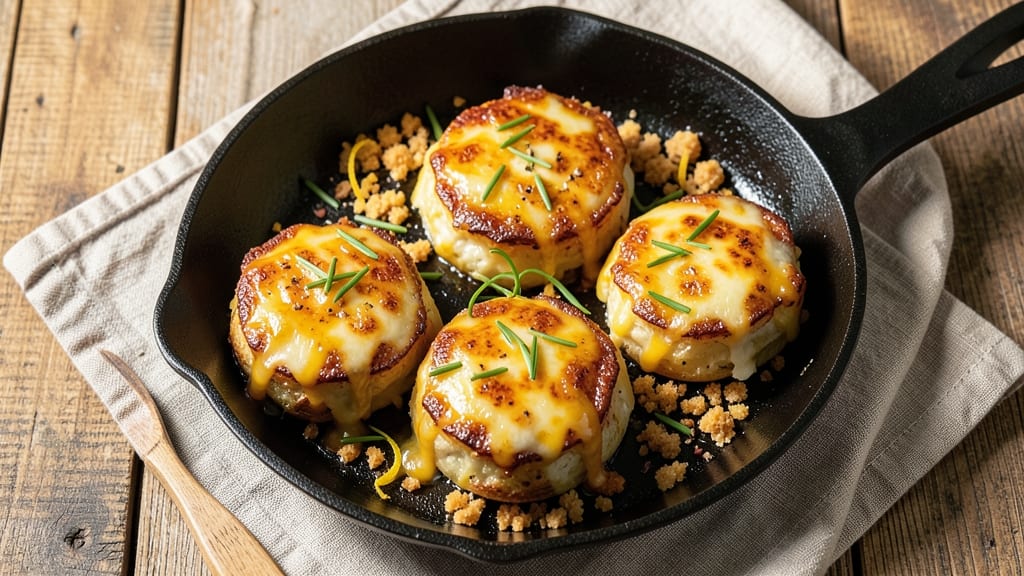
This baked potato cakes recipe transforms humble spuds into crispy, golden bites with fluffy centers that disappear at the first bite. The secret lies in the mustard crust—just enough tang to cut through the creamy potato while creating that irresistible crunch.
I've perfected this technique over years of testing, and it never fails to deliver restaurant-quality results at home.
The process is simpler than you'd think: boil and mash the potatoes until perfectly smooth, then mix in just the right amount of egg and cheese for binding. The mustard crust isn't just for flavor—it's what creates that signature crispiness while keeping the insides tender.
Bake at 425°F for 20-25 minutes, flipping halfway, to ensure even browning and maximum crunch.
What you'll end up with are golden, crispy potato cakes that shatter on the outside while revealing a soft, fluffy interior. The mustard adds a subtle kick that balances the richness of the potatoes, and the cheese melts just enough to create pockets of gooey goodness.
These make an impressive appetizer, hearty side dish, or even a satisfying snack on their own.
Serve warm with your favorite dipping sauce—whether it's tangy tartar, creamy ranch, or spicy mayo. The leftovers reheat beautifully, making these perfect for meal prep or entertaining. Here's how to make them perfectly every time.
Ingredients for baked potato cakes
Here's what transforms simple potatoes into restaurant-worthy crispy bites with fluffy centers.
| Ingredient | Amount | Notes |
|---|---|---|
| Russet Potatoes 🥔 | 2 lbs | Medium size, peeled and cubed |
| Large Eggs 🥚 | 2 whole | Room temperature for best binding |
| Shredded Sharp Cheddar Cheese 🧀 | 1 cup | Freshly shredded, not pre-shredded |
| Dijon Mustard 🍯 | 2 tbsp | For that signature tangy crust |
| All-Purpose Flour 🌾 | ½ cup | For extra crispiness in crust |
| Panko Breadcrumbs 🍞 | ½ cup | Light and crispy preferred |
| Butter, Unsalted 🧈 | 2 tbsp | Melted for brushing |
| Salt 🧂 | 1 ½ tsp | Kosher or sea salt |
| Black Pepper 🌶️ | ½ tsp | Freshly ground for best flavor |
| Vegetable Oil 🫒 | 2 tbsp | For greasing baking sheet |
| Milk 🥛 | ¼ cup | For ultra-creamy mash |
| Garlic Powder 🧄 | ½ tsp | Optional for subtle depth |
The potatoes are the star, so Russet is your best bet—they're waxy enough to hold shape when cubed but still mash perfectly. Trader Joe's or Whole Foods usually have the best consistent quality, but any grocery store will work. Look for potatoes that feel firm and heavy for their size—those are the ones packed with starch. I always peel them first to avoid any gritty texture in the final cakes. For the mustard, Dijon gives you that perfect balance of tang and smoothness—none of that sweet yellow stuff.
No sharp cheddar? Pepper jack or Gruyère work beautifully for a different flavor profile. Freshly shredded cheese is a must—pre-shredded gets clumpy and doesn't melt as nicely. Running short on panko? Regular breadcrumbs toasted for 5 minutes work in a pinch, though they won't be quite as crispy. The eggs should be at room temperature—this helps them bind better with the potatoes. For extra flavor without extra effort, add a pinch of smoked paprika to the crust mix. And if you're feeling fancy, swap half the milk for heavy cream for ultra-rich mash.
These reheat like a dream—just pop them in a 350°F oven for 8-10 minutes until crispy again. Store leftovers in an airtight container for up to 3 days, though they're usually gone by day 2. For meal prep, I like to portion them into single servings before freezing—6 months in the freezer with no texture loss. The key to crispy reheats? Spritz with a tiny bit of oil before reheating, or cover with foil for just the first 5 minutes then uncover to crisp.
Why You'll Love This Recipe
- No Chopping Needed: I just grate the potatoes raw—no peeling, no boiling, no fuss. The texture comes out tender and fluffy, like a hug from your grandma’s kitchen.
- Cheesy Crispy Magic: That sharp cheddar melts into gooey pockets while the edges get golden and crispy. Honestly? It’s the kind of dish that makes you want to eat it straight from the pan.
- Weeknight Hero: Throw these together while dinner’s on the table—they’re ready in under 30 minutes. Between us, they’re my go-to when I’m too tired to think past "something filling."
Step-by-step instructions for crispy mustard-crusted potato cakes
Here's how to create golden, crispy potato cakes with fluffy interiors every time.
Prepare the Perfect Potato Mash
Place the 2 lbs of peeled and cubed russet potatoes in a medium saucepan and cover with cold water by about 1 inch. Add the 1.5 tsp salt and bring to a boil over high heat. Once boiling, reduce heat to medium and simmer for 15-18 minutes until the potatoes are fork-tender.
Drain the potatoes thoroughly, then return them to the pot. Add the 0.25 cup milk and mash until completely smooth, with no lumps. I like to use a potato masher for this step—it gives you more control than a mixer. The mash should be light and fluffy, not dense. Let it cool completely before proceeding—this prevents the eggs from scrambling when mixed in later.
Mix the Crispy Coating
In a large bowl, whisk together the 2 whole room-temperature eggs and the 2 tbsp Dijon mustard until fully combined. This tangy mixture is what creates that signature flavor in your crust. Gradually fold in the cooled potato mash until evenly distributed throughout.
In a separate shallow bowl, combine the 0.5 cup all-purpose flour, 0.5 cup panko breadcrumbs, 0.5 tsp black pepper, and 0.5 tsp garlic powder. This is your crispy coating—don't skip the garlic powder if you want that subtle depth of flavor. Transfer half of this mixture to another bowl for later.
Form and Chill the Potato Cakes
Lightly grease a baking sheet with the 2 tbsp vegetable oil. Using your hands, shape the potato mixture into 8 equal-sized cakes about 1 inch thick. I press down gently to help them hold their shape. Place them on the prepared baking sheet and refrigerate for 30 minutes—this chilling step is crucial for maintaining their shape when baking.
While they chill, melt the 2 tbsp unsalted butter in a small saucepan over low heat. This butter will be brushed on top of the cakes right before baking, creating that irresistible golden crust. Keep it warm but not smoking—you'll want it to be pourable when you're ready to use it.
Create the Crispy Crust
Preheat your oven to 400°F. Remove the chilled potato cakes from the refrigerator and transfer them to a clean baking sheet. Brush the tops generously with the melted butter, then sprinkle evenly with the remaining flour-panko mixture. Press down gently to help it stick—this ensures maximum crispiness.
Bake for 20-25 minutes until the edges are golden brown and the tops are crispy. You'll know they're done when you can hear the satisfying crunch of the panko crust. For extra browning, you can broil for 1-2 minutes at the end, but watch closely to avoid burning.
Finish with Cheese and Serve
Remove the potato cakes from the oven and immediately sprinkle the 1 cup shredded sharp cheddar cheese evenly over the tops. The heat will melt the cheese just enough to create a gooey, cheesy finish. Let them rest for 2-3 minutes before serving—this allows the cheese to set slightly and makes them easier to handle.
Serve warm with your favorite dipping sauce or a side of sour cream. The contrast between the crispy exterior and fluffy interior is what makes these potato cakes so irresistible. Each bite should deliver that perfect combination of textures and flavors—crispy, cheesy, and just a hint of tangy mustard.
Pro Tips For Making Baked Potato Cakes
- RINSE THE POTATOES: After grating, dump the shredded Russets into a colander and rinse them under cold water for 30 seconds. This washes away excess starch—the stuff that makes your cakes gummy instead of crisp. I learned this the hard way after making a batch that fell apart like wet cardboard.
- PRESS OUT MOISTURE: Wrap the rinsed potato shreds in a clean kitchen towel and squeeze every last drop of water out. Think of it like wringing a sponge—wet potatoes mean dense, soggy cakes. I skip this step sometimes, and the texture suffers. Not worth the risk.
- DON’T OVERMIX THE BATTER: Stir the egg, flour, and mustard into the potatoes just until combined—lumps are fine. Overworking the batter activates the gluten in the flour, turning your cakes into tough, chewy pancakes instead of light, fluffy patties. My first batch was a disaster until I stopped stirring like I was making pancakes.
- BAKE IN BATCHES: Crowd the pan, and your cakes will steam instead of brown. Use a nonstick skillet and cook in two batches if needed—golden, crisp edges are worth the wait. I used to rush this, and the results were always pale and sad. Now I give them space, and they turn out perfect every time.
Common mistakes when making your baked potato cakes
Overmixing the Batter
I've seen this happen more times than I can count—overmixing the potato-egg mixture turns your fluffy cakes into dense, rubbery bricks. Once you've folded in the eggs and mustard, stop mixing immediately after everything is just combined.
Overworking the batter develops gluten in the potatoes, which is what makes them tough. Think "gentle folds" here—just enough to distribute the ingredients evenly without overhandling. 🥔
Skipping the Chill
The 30-minute chill in the fridge is non-negotiable if you want your cakes to hold their shape. Without it, the eggs will cook too quickly on the edges while the centers stay raw, resulting in uneven doneness.
I've had to pull apart cakes that spread into sad pancake-like puddles because they weren't chilled. Pro tip: Place your shaped cakes on a tray lined with parchment paper to make transferring them easier after chilling. ❄️
Using Cold Eggs
Cold eggs are the sneakiest mistake—your cakes will turn out gummy and undercooked in the center. Always use room-temperature eggs (68-72°F) for proper binding. I keep mine on my counter for about 30 minutes before using.
If you're in a rush, you can briefly warm them in a bowl of warm water (not hot!) for 5 minutes. The temperature difference between cold eggs and warm potatoes causes the eggs to scramble instead of binding properly. 🥚
Uneven Baking
Baking at 400°F is ideal, but if your oven runs hot or cold, you'll end up with either burnt exteriors or raw centers. To prevent this, rotate your baking sheet halfway through the 20-25 minute bake.
I also recommend using an oven thermometer to confirm your oven's actual temperature—many home ovens are off by 25°F or more. If your cakes brown too quickly, tent them loosely with foil for the last 5 minutes of baking. 🌡️
Cheese Timing Issues
Adding cheese too early causes it to melt completely and make your cakes soggy, while adding it too late means it won't melt at all.
The perfect moment is right when they come out of the oven—sprinkle that 1 cup sharp cheddar immediately and let it melt for just 2-3 minutes.
I've learned this the hard way: once, I waited too long and had to reheat the cakes just to get the cheese to melt properly. 🧀
Ignoring the Rest Time
Those 2-3 minutes of resting after baking might seem insignificant, but they're what keeps your cakes from falling apart when you serve them. The cheese needs time to set slightly, and the internal temperature equalizes.
I've seen people serve them immediately and end up with cheese sliding off or cakes crumbling. Trust me, the wait is worth it for that perfect first bite. 💪
Nutrition facts
Frequently asked questions
Can I make these potato cakes ahead of time?
Form the cakes and refrigerate them on a tray for up to 24 hours before baking. For longer storage, shape them and freeze uncooked cakes on a tray for 1 hour, then transfer to a bag for 3 months. Thaw frozen cakes in the fridge overnight before baking—just add 2-3 extra minutes to the baking time.
What's the best way to reheat leftover potato cakes?
For crispy results, place leftovers on a baking sheet and reheat at 350°F for 8-10 minutes. For extra crunch, spritz with a tiny bit of oil before reheating. Microwave reheating works too (60 seconds), but the texture won't be as crispy. Always cover with a damp paper towel to prevent drying out.
Can I use sweet potatoes instead of russets?
Yes, but expect different results! Sweet potatoes add natural sweetness and a deeper color. Use 1.5 lbs instead of 2 lbs, and reduce the milk to 0.125 cup (sweet potatoes release more moisture). The texture will be slightly denser, but still delicious—just adjust baking time to 25-30 minutes for even browning.
How do I make these gluten-free?
Replace the flour with 0.5 cup gluten-free all-purpose flour and use 0.5 cup gluten-free panko (or regular panko if you can't find GF). The mustard and egg still provide binding, but you might need 1 extra tbsp of gluten-free flour for structure. Test with a small batch first—GF flours absorb moisture differently.
What's the secret to extra crispy potato cakes?
The triple-crust technique: 1) Chill the shaped cakes, 2) Brush with melted butter, and 3) Press panko firmly onto the top. Bake on the middle rack for even heat, and broil for 1-2 minutes at the end for maximum crispiness. For restaurant-style results, use 0.25 cup extra panko on the top layer.