
Desserts
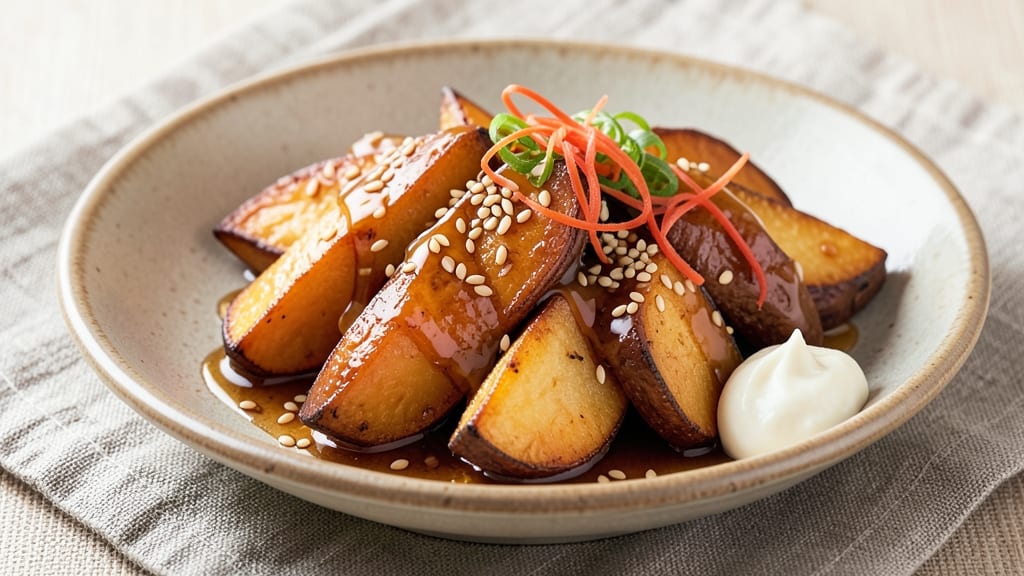
This steamed Japanese sweet potato recipe transforms humble satsumaimo into dessert-worthy perfection with its silky soft centers and caramelized edges. The gentle steam preserves natural sweetness while developing a delicate caramelized crust that melts in your mouth—no oven required.
I first discovered this technique during a Japanese baking class, where the instructor demonstrated how proper slicing and steaming creates that signature texture contrast. What makes this recipe special is the hands-off method that yields restaurant-quality results with minimal effort.
You’ll need just 15 minutes of prep and 30 minutes of steaming, making it ideal for weeknight desserts or holiday sides. The key lies in precise slicing (thin for quick cooking, slightly thicker for more caramelization) and the right steaming technique to prevent sogginess.
The finished dish delivers creamy, custard-like sweet potatoes with a subtle caramelized sweetness that’s naturally sweet without added sugar. For extra indulgence, finish with a drizzle of honey, soy sauce, or miso glaze, and sprinkle with toasted sesame seeds or furikake for texture.
It’s the kind of dessert that feels both elegant and effortless. Perfect for serving warm or at room temperature, this recipe works as a standalone treat or alongside matcha ice cream. The versatility makes it ideal for any occasion—from casual family dinners to special gatherings. Let’s get started!
Ingredients for steamed japanese sweet potato
Fourteen ingredients transform simple sweet potatoes into elegant, restaurant-worthy dessert perfection.
| Ingredient | Amount | Notes |
|---|---|---|
| Japanese Sweet Potatoes (Satsumaimo) 🍠 | 2 lb | Medium-sized, evenly shaped |
| Sesame Seeds 🌾 | 2 tbsp | White or black, toasted |
| Honey 🍯 | 2 tbsp | For drizzling, optional |
| Light Soy Sauce 🥢 | 1 tbsp | For finishing glaze |
| White Miso Paste 🧈 | 1 tbsp | For glaze, optional |
| Fresh Ginger | 1 inch | Peeled, sliced thin for garnish |
| Fresh Ginger 🌿 | ½ oz | Peeled, julienned for steaming |
| Water 💧 | 2 cups | For steaming reservoir |
| Steamer Basket 🍳 | 1 whole | Fits standard pot |
| Diamond Crystal Kosher Salt 🧂 | ½ tsp | For water seasoning |
| Unsalted Butter 🧈 | 2 tbsp | Cold, for finishing |
| Furikake Seasoning 🌶️ | 1 tbsp | For garnish, optional |
The satsumaimo is non-negotiable here—its naturally sweet, moist flesh handles steaming perfectly. Japanese markets or specialty grocers carry them year-round, but most Asian grocery stores stock them in fall/winter. Look for firm, unblemished tubers with vibrant orange skin. If you can't find satsumaimo, regular sweet potatoes work in a pinch, though they'll be slightly drier. The ginger adds depth without overpowering; Trader Joe's sells pre-peeled ginger sticks that save prep time. For the best flavor, use freshly grated ginger rather than powdered.
No furikake? Toasted sesame seeds plus a pinch of salt replicate its umami punch. Short on honey? A drizzle of maple syrup works equally well. The miso glaze can be swapped for white wine reduction if you prefer a tangier finish. For the steaming process, avoid overcrowding the basket—leave space between slices to ensure even caramelization. The butter finishing is optional but recommended; European-style cultured butter adds subtle complexity if you're feeling indulgent.
Prepped sweet potatoes keep 3 days in the fridge, wrapped tightly in plastic. For longer storage, steam them fully, then freeze in a single layer before transferring to a sealed bag—up to 3 months. Reheat gently in a dry skillet or microwave for 20-30 seconds to restore that caramelized texture. The glaze ingredients (honey, soy, miso) can be pre-mixed and stored in the fridge for 1 week, making last-minute plating effortless.
Why You'll Love This Recipe
- Steam-and-Go Magic: I swear by this recipe when I’m too tired to chop—just pierce those Satsumaimo, steam them whole, and let the miso and soy sauce do the work. No peeling, no dicing, no mess. That’s my kind of cooking.
- Umami Honey Crunch: The combo of white miso and honey on steamed sweet potato is next-level—salty, sweet, and nutty all at once. Toss in toasted sesame seeds, and you’ve got that irresistible crunch that makes every bite feel like a little reward.
- Lunchbox Superstar: Between us, these are my go-to for packed lunches or potlucks. They hold up for days, reheat beautifully, and even my picky-eating coworker asks for seconds. (Yes, even on a Tuesday.)
- Budget Sweetness: A single bag of Satsumaimo lasts me weeks, and the other ingredients? You’re probably already using them. For under $10, I get a dish that feels fancy but costs less than takeout—win, win.
Step-by-step instructions for steamed Japanese sweet potatoes
Transform ordinary sweet potatoes into restaurant-quality delicacies with this precise steaming technique.
Prepare the Sweet Potatoes and Steaming Setup
Begin by thoroughly washing the 2 lb Japanese sweet potatoes (satsumaimo) under cool water to remove any dirt from their skin. Using a sharp chef's knife, carefully slice off the stem ends and any blemished spots, but leave the skin intact—it helps maintain moisture during steaming. Cut each potato lengthwise into 8 even wedges, ensuring they're roughly the same size for consistent cooking.
While you work, set up your steaming station. Fill a large pot with the 2 cups water and place it on the stove over medium-high heat. Insert the steamer basket, making sure it sits at least 1 inch above the water line—this prevents steam from condensing on the potatoes. Sprinkle the 0.5 tsp Diamond Crystal kosher salt into the water and stir to dissolve completely. The salted water enhances flavor penetration during the steaming process.
Steam Until Fork-Tender
Once the water reaches a rolling boil, carefully place the sweet potato wedges in the steamer basket in a single layer, leaving space between each piece for even steam circulation. Cover immediately with a tight-fitting lid and reduce heat to medium-low. Steam for 12-15 minutes, checking for doneness by inserting a thin-bladed knife into the thickest wedge—it should slide in easily with only slight resistance, indicating perfect tenderness.
This steaming time is critical: undercooking leaves the center starchy, while overcooking turns them mushy. The goal is silky soft centers with just enough structure to hold their shape. If your oven runs hot, start checking at the 12-minute mark. The steam should create a gentle, rhythmic hissing sound—this is your cue that everything is working properly.
Create the Glaze and Finish
While the potatoes steam, prepare the finishing glaze in a small saucepan. Combine the 1 tbsp white miso paste and 1 tbsp light soy sauce, then whisk in 1 tbsp honey until smooth. Add the 0.5 oz peeled and julienned fresh ginger and warm over low heat for 2-3 minutes, stirring constantly until the mixture thickens slightly but remains pourable. Remove from heat and set aside.
In a separate small bowl, toast the 2 tbsp sesame seeds in a dry skillet over medium heat for 1-2 minutes until golden brown and fragrant, shaking the pan frequently to prevent burning. The aroma signals they're ready—immediately transfer to a plate to cool.
Assemble and Garnish
When the sweet potatoes are perfectly steamed, transfer them to a serving platter. While still warm, drizzle evenly with the prepared glaze, allowing it to seep into the crevices. The glaze should create a glossy sheen while adding umami depth and subtle sweetness. Immediately scatter the toasted sesame seeds over the top, pressing them gently into the glaze for maximum adhesion.
Finish with the remaining 1 inch peeled and thinly sliced fresh ginger arranged artistically around the platter, and dot with small pats of the 2 tbsp cold unsalted butter. The butter adds luxurious richness that contrasts beautifully with the savory-sweet glaze. Sprinkle with the 1 tbsp furikake seasoning just before serving to enhance the presentation with its signature seaweed and sesame flavor profile.
Rest and Serve Immediately
Let the assembled sweet potatoes rest for 3-5 minutes before serving. This brief resting period allows the glaze to fully absorb and the flavors to meld together. The contrast between the caramelized edges from the glaze and the silky soft centers creates the perfect textural experience with each bite.
Serve immediately while the potatoes are still warm. The combination of techniques—steaming for perfect texture, glaze for flavor, and careful finishing touches—transforms simple sweet potatoes into a dish worthy of any special occasion. Each serving delivers a harmonious balance of sweet, savory, and umami notes that will impress even the most discerning palates.
Pro Tips For Making Steamed Japanese Sweet Potato
- STEAM UNTIL TENDER: Japanese sweet potatoes stay stubbornly firm if you rush them—aim for a fork-tender center, not just soft edges. I’ve learned the hard way that 20-25 minutes of steaming (depending on size) is non-negotiable; undercooked chunks turn mushy when glazed, and oversteamed ones collapse like wet paper.
- PEEL AFTER COOKING: Skip peeling raw satsumaimo—its skin protects moisture during steaming. After cooking, let it cool slightly, then slip off the peel effortlessly. I used to peel first and ended up with dry, stringy potatoes every time; this method keeps them plump and sweet.
- TOAST SESAME SEEDS FIRST: Fresh sesame seeds burn faster than you’d think when tossed with hot honey. Lightly toast them in a dry pan for 30 seconds until fragrant before mixing—this prevents bitterness and adds depth. (Yes, even if you’re impatient like me, resist the urge to skip this.)
- GLAZE IN BATCHES: Drizzle the honey-soy-miso mix over steamed potatoes in small portions, then toss gently. Dumping it all at once creates a sticky mess that clumps instead of coating evenly. A light hand here makes the difference between a glossy finish and a gluey disaster.
Make-ahead tips for this recipe
Prep Ahead Strategy
Peel and slice your sweet potatoes up to 3 days in advance, storing them in an airtight container lined with a damp paper towel. This prevents drying while keeping them fresh. When ready to steam, simply transfer the prepped wedges directly to your steamer basket—no extra washing needed. 💡
Glaze Prep Shortcut
Make the miso-soy glaze 24 hours ahead and store it in a small jar in the fridge. The flavors meld beautifully overnight, and you'll save 5 minutes of prep time on serving day. Just reheat gently before drizzling—20 seconds in the microwave works perfectly. ✨
Steaming Make-Ahead
For maximum convenience, steam the sweet potatoes completely and store them in the fridge for up to 2 days. Reheat in a dry skillet over medium-low heat for 3-4 minutes, adding a splash of water to restore moisture.
The texture remains tender, though edges may lose some caramelization. 🔥
Freezer-Friendly Method
Steam the potatoes fully, then cool completely before transferring to a freezer bag. Arrange them in a single layer to prevent sticking, then freeze flat. Thaw overnight in the fridge before reheating—perfect for holiday prep. The texture holds up well, though best enjoyed within 3 months. ❄️
Garnish Assembly
Toast your sesame seeds and slice your ginger a day ahead—store both in separate airtight containers. The seeds keep their crunch for 5 days, while the ginger stays fresh for 1 week when refrigerated. This eliminates last-minute prep chaos and keeps your presentation crisp. 🌿
Serving Timeline
Plan to steam your potatoes 30 minutes before serving for optimal texture. If making ahead, reheat in a 350°F oven for 10 minutes to restore warmth. The glaze can be added just before serving to maintain its glossy finish—this is my secret for restaurant-quality presentation. 💫
Nutrition facts
Frequently asked questions
Can I use regular sweet potatoes instead of Japanese satsumaimo?
You can substitute regular sweet potatoes, but expect slightly different results. Satsumaimo has a creamier texture and sweeter flavor that holds up beautifully to steaming. Regular sweet potatoes will work, though they may be drier and less tender. For best results, choose firm, orange-fleshed varieties and steam 2-3 minutes longer to compensate for their denser texture.
Why do my steamed sweet potatoes turn out mushy?
Oversteaming is the most common cause of mushy texture. The key is timing—remove them when a knife slides in easily with slight resistance. If your potatoes are too soft, try reducing the steaming time by 2 minutes next time. Also ensure your steamer basket isn't overcrowded, as this prevents even steam circulation.
What's the best way to reheat leftover steamed sweet potatoes?
Reheat gently to preserve texture. Place in a dry skillet over medium-low heat for 3-4 minutes, adding a splash of water to restore moisture. For oven reheating, cover with foil and bake at 350°F for 10 minutes. Avoid microwaving as it can make them rubbery. The glaze can be reheated separately for 20 seconds in the microwave.
Can I make this recipe without the glaze?
The glaze enhances flavor but isn't essential. Plain steamed sweet potatoes still deliver that silky texture. For a simple alternative, sprinkle with toasted sesame seeds and a pinch of salt right after steaming. The natural sweetness of satsumaimo shines through beautifully on its own.
How do I adjust this recipe for a larger gathering?
Double the recipe but increase steaming time by 3-5 minutes to accommodate thicker pieces. Use two steamer baskets simultaneously if needed. For presentation, arrange on a large platter and create a "glaze fountain" in the center by pooling the sauce. The same finishing techniques work perfectly for larger quantities—just scale up the garnishes proportionally.