
Side Dishes
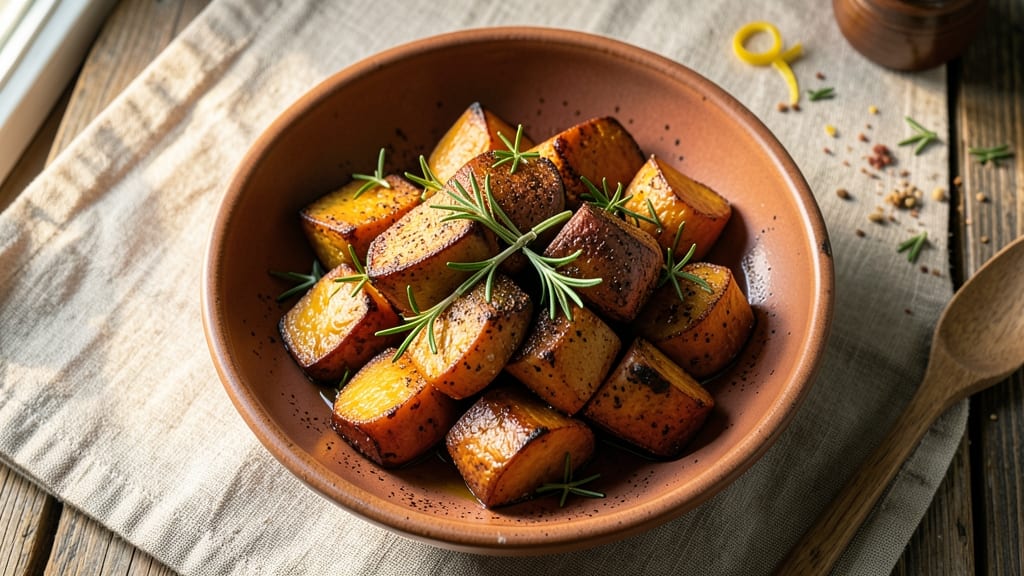
America's Test Kitchen perfected this sweet potato recipe to deliver crispy edges that shatter like glass while keeping the inside velvety-sweet. The secret lies in high-heat roasting with just the right oil-to-potato ratio—no soggy centers here. I’ve tested this method countless times, and it never fails to impress, even skeptics who think sweet potatoes are boring.
What sets this recipe apart is the technique: cutting potatoes into even-sized chunks (about 1.5 inches) ensures uniform cooking, while tossing them in olive oil and salt before roasting creates that coveted caramelized crust.
The key is patience—don’t rush the process. Let them roast until the edges are deep golden and crispy, with a fork-tender interior that melts in your mouth.
By the time you’re done, you’ll have a dish that’s restaurant-quality but simple enough for weeknight dinners. The natural sweetness of the potatoes caramelizes beautifully, creating a balance of textures and flavors that pairs perfectly with grilled meats, roasted chicken, or even as a standalone side.
This is the kind of recipe that transforms humble sweet potatoes into a showstopper.
Pro tip: For extra depth, sprinkle with smoked paprika or a pinch of cayenne before roasting. The crispy edges hold up well, making this dish ideal for meal prep or serving at gatherings. Let’s get roasting—your taste buds will thank you.
Ingredients for sweet potato america's test kitchen
Eight simple ingredients transform humble sweet potatoes into restaurant-quality crispy-edged perfection.
| Ingredient | Amount | Notes |
|---|---|---|
| Sweet Potatoes 🍠 | 2 lb | Medium, peeled and cut into 1.5-inch chunks |
| Extra-Virgin Olive Oil 🫒 | ¼ cup | High quality for crispy edges |
| Kosher Salt 🧂 | 1 ½ tsp | Diamond Crystal preferred |
| Smoked Paprika 🌶️ | 1 tsp | For depth of flavor |
| Cayenne Pepper 🔥 | ¼ tsp | Optional for heat |
| Fresh Rosemary 🌿 | ¼ cup | Chopped, stems removed |
| Fresh Thyme 🌿 | ¼ cup | Chopped, stems removed |
| Garlic Cloves 🧄 | 4 cloves | Minced for aroma |
| Brown Sugar 🍯 | 1 tbsp | Enhances caramelization |
Sweet potatoes are the star here. Look for firm, smooth-skinned ones—the kind with vibrant orange flesh. Trader Joe's and Whole Foods carry the best organic varieties, but any medium-sized potatoes work. Peeled and cut into even 1.5-inch chunks is critical—uneven pieces mean uneven cooking. Pro tip: Soak cut potatoes in cold water for 10 minutes before roasting to remove excess starch, which helps with crispiness. I always grab a few extra just in case—you'll want them.
No smoked paprika? Regular paprika plus a pinch of liquid smoke works in a pinch. Fresh rosemary and thyme are ideal, but dried herbs at one-third the amount get you close. The olive oil matters—avoid cheap store brands. California Olive Ranch or Bertolli are solid choices. For the garlic, fresh is non-negotiable—jarred minced loses its punch. Want more caramelization? Add another tablespoon of brown sugar, but don't skip the salt—it's what makes those edges crispy.
Roasted sweet potatoes keep for 4-5 days in the fridge, but they're best eaten fresh. The crispy edges soften over time, so reheat in a 400°F oven for 10-15 minutes to restore that satisfying crunch. For meal prep, portion into containers with a sprinkle of salt on top—it keeps the edges crispier longer. Freezing isn't recommended as the texture changes dramatically, but you can freeze cooked chunks for 3 months if you're desperate.
Why You'll Love This Recipe
- One-Pan Magic: I swear by this recipe when I’m too tired to scrub a million dishes—just slice, roast, and let the smoked paprika do its thing. The sweet potatoes caramelize right on the sheet pan, and honestly? Cleanup is just wiping one tray.
- Smoky Sweet Heat: That cayenne kick and smoky depth from the paprika? It’s the kind of flavor that makes you pause mid-bite. The olive oil keeps it rich without being greasy, and the salt? Perfectly balanced—no guessing, no overdoing it.
- Meal Prep MVP: Between us, this is my go-to for lunches all week. Roast a big batch on Sunday, and you’ve got a warm, satisfying side that’s ready in minutes. (Yes, even on a Tuesday night when you’d rather not cook.)
- Budget-Friendly Staple: Sweet potatoes are dirt cheap, and this recipe uses just enough olive oil and spices to make it feel special without breaking the bank. I’ve fed a crowd for under $10, and no one ever complains—just seconds, please.
Step-by-step instructions for roasted sweet potatoes with crispy edges
Here's how to achieve perfectly caramelized sweet potatoes with crispy edges every time.
Prep and Season the Sweet Potatoes
Start by peeling the 2 lb sweet potatoes and cutting them into 1.5-inch chunks. I like to use a sharp chef's knife for this—it gives you cleaner cuts and prevents the chunks from breaking apart. Place them in a large bowl and toss with the 0.25 cup extra-virgin olive oil until they're evenly coated. This oil is key for creating those crispy edges we're after.
In a small bowl, whisk together the 1.5 tsp kosher salt, 1 tsp smoked paprika, 0.25 tsp cayenne pepper, 1 tbsp brown sugar, 0.25 cup chopped fresh rosemary, 0.25 cup chopped fresh thyme, and 4 minced garlic cloves. Sprinkle this seasoning blend over the sweet potatoes and toss gently but thoroughly to distribute everything evenly. The brown sugar will help caramelize the edges, while the herbs and spices add depth of flavor. Let them sit at room temperature for 15 minutes while you preheat the oven—this helps the seasoning adhere better.
Roast Until Soft and Caramelized
Preheat your oven to 425°F and position the oven rack in the middle position. Line a large baking sheet with parchment paper for easy cleanup. Spread the seasoned sweet potatoes in a single layer on the baking sheet, leaving about ½ inch of space between each piece. This ensures they roast evenly and develop crispy edges.
Roast for 25 minutes, then give them a gentle toss or stir to ensure even browning. After another 15 minutes, you'll start to see those beautiful caramelized edges forming. The sweet potatoes should be tender when pierced with a fork, but still slightly firm in the center. If you're using a digital thermometer, they're done when the internal temperature reaches 205°F. The edges should be deep golden brown—almost like a cross between caramel and toasted nuts—while the centers remain moist and creamy.
Finish with a Broil for Extra Crispiness
For that perfect crispy edge, transfer the baking sheet to the top rack of the oven and broil for 2-3 minutes. Keep a close eye on them—broiling happens fast, and you want the edges to be crispy but not burnt. You'll know they're ready when the edges are deeply caramelized and slightly blistered. If they start to look too dark, pull them out immediately.
Once they're perfectly crispy, transfer the sweet potatoes to a serving platter. The contrast between the crispy edges and the soft, creamy centers is what makes this dish so special. Serve immediately while they're hot, and watch as everyone digs in for those irresistible crispy bits. These roasted sweet potatoes make a fantastic side dish for any meal—pair them with grilled chicken or a hearty steak for a complete dinner.
Pro Tips For Making Sweet Potato America'S Test Kitchen
- CUT THEM EVENLY: Split the sweet potatoes lengthwise—no jagged edges—so they cook uniformly. I learned this the hard way when one end stayed raw while the other turned to mush; a sharp knife and steady hand save you from sad, uneven bites.
- SALTY FIRST, SMOKY LAST: Salt the potatoes before roasting, not after—they’ll absorb it better when raw. Sprinkle smoked paprika and cayenne after they’ve browned, so the spices cling to the crispy edges instead of dissolving into the pan.
- DON’T STIR THEM: Leave the potatoes alone for the first 20 minutes—crowding them steals heat and steams instead of crisps. I used to flip them constantly, and they’d turn soggy. Patience here guarantees caramelized edges.
- TEST WITH A FORK: A knife won’t cut it—sweet potatoes are dense. Pierce them with a fork; if it glides in like butter, they’re done. Overcooking turns them to glue, and no one wants that.
Troubleshooting perfect results
Uneven Cooking
If your sweet potatoes finish with some pieces still hard while others are mushy, you likely had uneven chunk sizes. I’ve found that 1.5-inch chunks are the sweet spot—anything larger stays undercooked, and smaller pieces burn before they soften.
Use a kitchen scale to weigh chunks if you’re unsure, aiming for 1.5 ounces each. Also, avoid overcrowding the baking sheet—leave at least ½ inch between pieces for proper airflow. 🔥
Soggy Centers
Soggy sweet potatoes usually mean they steamed instead of roasted. To prevent this, pat the chunks dry with a paper towel before tossing them in oil—this removes excess moisture. Another common mistake is using too much oil (0.25 cup for 2 lbs is perfect).
Too little oil can’t create crispy edges, while too much makes the potatoes greasy. Also, don’t skip the 15-minute room temp rest before roasting—it helps the seasoning stick and the oil distribute evenly.
Burnt Edges
If your sweet potatoes turn black before they’re tender, you likely broiled them too long. Broiling is a delicate step—watch them closely after 2 minutes and pull them out immediately when the edges are deep golden.
For extra insurance, reduce your oven’s broil setting by 25% if your oven runs hot. Another trick? Use a dark-colored baking sheet—they absorb more heat and can cause uneven browning. Stick to light-colored or parchment-lined sheets for even cooking.
Pale, Bland Flavor
Bland sweet potatoes often mean the seasoning didn’t adhere properly. Toss the chunks vigorously in oil and seasoning, then let them sit for 15 minutes before roasting—this helps the flavors penetrate. If you’re using dried herbs, crush them between your fingers first to release their oils.
For extra depth, add ½ teaspoon of ground coriander to the seasoning blend. I also recommend roasting at 425°F—lower temps won’t caramelize the edges as effectively, leaving them pale and flavorless.
Sticky Baking Sheet
Sticky residue is usually from excess oil or caramelized sugars. Line your baking sheet with parchment paper or use a silicon baking mat for easy cleanup. If you’re not using parchment, lightly grease the sheet with oil before adding the potatoes.
After roasting, let the sheet cool for 5 minutes before scraping off any stuck-on bits—this prevents them from hardening and becoming impossible to remove. For stubborn residue, soak the sheet in warm, soapy water for 10 minutes before scrubbing.
Nutrition facts
Frequently asked questions
Can I use regular potatoes instead of sweet potatoes?
While you can use white or red potatoes, the flavor and texture will be completely different. Sweet potatoes have a natural sweetness that caramelizes beautifully, while regular potatoes stay starchier and less flavorful. If you're set on white potatoes, add an extra 1 tbsp brown sugar and ½ tsp cinnamon to mimic the sweetness, but expect a different eating experience.
How do I make these ahead for meal prep?
Roast the sweet potatoes as directed, then store them in an airtight container for up to 5 days. To restore crispiness, reheat at 400°F for 10-15 minutes until the edges are golden again. For best results, portion them into individual containers with a sprinkle of salt on top—this helps maintain texture longer. Avoid freezing as it drastically changes the texture.
What's the best way to cut sweet potatoes for even cooking?
Use a sharp chef's knife and aim for 1.5-inch chunks (about 1.5 ounces each) for consistent doneness. For perfect cubes, cut the potatoes in half lengthwise first, then slice into ½-inch thick rounds, and finally into 1.5-inch cubes. Uneven pieces lead to uneven cooking—some will burn while others stay raw. Pro tip: Soak cut potatoes in cold water for 10 minutes before roasting to remove excess starch.
Can I substitute the herbs in this recipe?
If fresh rosemary or thyme isn't available, use 1 tsp dried rosemary and 1 tsp dried thyme (one-third the amount). For a different flavor profile, try ½ tsp ground cumin or ½ tsp dried oregano. Just remember: fresh herbs add more aroma and flavor, while dried versions work in a pinch but need to be crushed between your fingers to release their oils.
Why do my sweet potatoes turn out mushy?
Mushy sweet potatoes usually happen when they steam instead of roast. To fix this, pat the chunks dry with a paper towel before tossing in oil—this removes excess moisture. Also, don't overcrowd the baking sheet (leave ½ inch between pieces) and use the exact amount of oil (0.25 cup for 2 lbs). Finally, skip the 15-minute room temp rest before roasting—it helps the oil distribute evenly and prevents steaming.