
Side Dishes
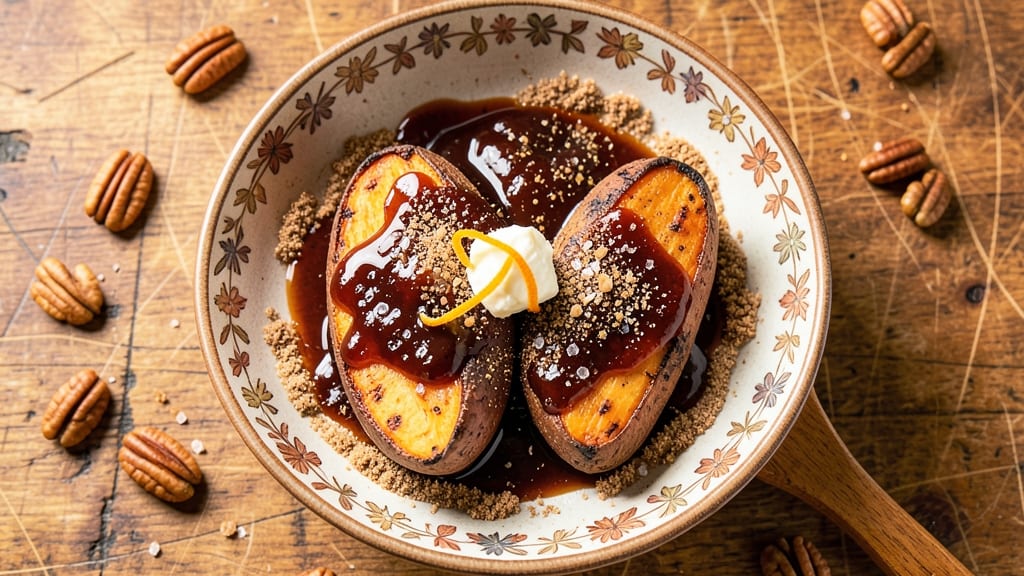
This sweet potato and molasses recipe transforms humble roots into a rich, caramelized side dish that balances earthy sweetness with molasses' deep, smoky notes. The key? Roasting sweet potatoes until tender, then glazing them with a spiced molasses reduction that creates a sticky, aromatic crust.
I developed this recipe after craving something heartier than plain roasted sweet potatoes—something with layers of flavor that pairs perfectly with roasted meats or as a standalone dessert-like side.
The process is straightforward but yields restaurant-quality results: tender sweet potatoes with a crispy, caramelized exterior from the molasses glaze. You'll need just five key ingredients—sweet potatoes, molasses, butter, brown sugar, and warm spices like cinnamon and nutmeg—to create a dish that's both comforting and sophisticated.
The molasses adds a molten, almost candy-like texture when caramelized, while the spices deepen the warmth of the sweet potatoes.
What you'll end up with is a dish that bridges savory and sweet—ideal for holiday tables, cozy weeknight dinners, or even as a dessert when topped with whipped cream. The molasses glaze clings beautifully to the sweet potatoes, creating a sticky, finger-licking finish that makes every bite irresistible.
This recipe is foolproof, with minimal prep and hands-off roasting, ensuring you spend more time enjoying the results than fussing over technique.
Serve alongside roasted chicken, pork chops, or even as a warm dessert with vanilla ice cream. The molasses glaze also makes this dish naturally sweet enough to satisfy cravings without needing extra sugar. Let's get started—your taste buds (and dinner guests) will thank you.
Ingredients for sweet potato and molasses
Five ingredients transform simple sweet potatoes into a rich, caramelized masterpiece.
| Ingredient | Amount | Notes |
|---|---|---|
| Sweet Potatoes 🍠 | 2 lbs | Medium-sized, peeled and cubed |
| Molasses 🍯 | ½ cup | Unsulphured for best flavor |
| Unsalted Butter 🧈 | 4 tbsp | Cold, cubed for caramelization |
| Light Brown Sugar 🍚 | ¼ cup | Packed, for caramel depth |
| Ground Cinnamon 🌿 | 1 tsp | Freshly ground preferred |
| Ground Nutmeg 🌿 | ½ tsp | Freshly grated for warmth |
| Salt 🧂 | ½ tsp | Diamond Crystal preferred |
| Black Pepper 🌶️ | ¼ tsp | Freshly cracked for brightness |
| Extra-Virgin Olive Oil 🫒 | 1 tbsp | For tossing sweet potatoes |
The sweet potatoes are the star—choose vibrant orange ones with smooth skin, not green spots. Trader Joe's and Whole Foods carry the best quality, but any grocery store will do. Look for medium-sized roots (about 10-12 oz each) so they roast evenly. Peeled and cubed, they'll caramelize beautifully under the molasses glaze. The molasses? Unsulphured is key—it's less bitter and has a deeper flavor. Grab a small bottle (you won't need much) from the baking aisle. I always buy Goya or Grandma's—they're reliable and affordable. For the spices, Penzeys or bulk bins at natural markets are worth the splurge if you cook often, but the regular grocery store stuff works fine for this recipe.
No molasses? Maple syrup or dark corn syrup can stand in (use the same amount), but the flavor won't be quite as rich. Short on brown sugar? White sugar plus a pinch of cinnamon mimics the molasses' depth. The butter is non-negotiable here—it creates that luscious caramelized crust. No unsalted butter? Salted works, but reduce the added salt to 1/4 tsp. The olive oil is just for tossing, so any decent brand will do. For extra warmth, add a pinch of cloves or allspice to the spice mix. And if you're feeling fancy, toss in a few chopped pecans after roasting for crunch.
This dish reheats beautifully—just warm in a 350°F oven for 10 minutes with a splash of water. The molasses glaze thickens as it cools, so store it in an airtight container with parchment between layers if making ahead. Keeps for 5 days in the fridge or 3 months frozen. For a make-ahead shortcut, roast the sweet potatoes first, then glaze just before serving. The flavors actually improve overnight, so this is one of those rare dishes that tastes better the next day.
Why You'll Love This Recipe
- One-Pan Magic: I swear by this—just toss peeled sweet potatoes in a hot pan with butter, molasses, and brown sugar, then let them caramelize. No chopping, no fuss, and the kitchen stays clean while you wait for that sticky, spiced goodness to form.
- Molasses Magic: That deep, tangy molasses cuts through the sweetness so beautifully, especially when it reduces into a glossy glaze. A pinch of cinnamon makes it taste like autumn in a skillet—rich, warm, and just a little bit indulgent.
- Breakfast or Dessert: Honestly, this recipe works for both. Serve it warm with yogurt for a hearty breakfast or drizzle with extra butter for a dessert-like treat. My kids ask for it at both meals, and I never say no.
- Budget-Friendly Staples: Sweet potatoes and molasses are pantry basics that won’t break the bank. A single batch stretches for days—reheat slices in the toaster or toss them into salads. It’s my go-to when I need something filling without overspending.
Step-by-step instructions for spiced roasted sweet potatoes with molasses glaze
Here's how to transform humble sweet potatoes into caramelized, spiced perfection with a rich molasses glaze.
Prep and Roast the Sweet Potatoes
Preheat your oven to 400°F and line a large baking sheet with parchment paper. In a large bowl, toss the 2 lbs of cubed sweet potatoes with the 1 tablespoon extra-virgin olive oil, 0.5 teaspoon salt, 0.25 teaspoon black pepper, 1 teaspoon ground cinnamon, and 0.5 teaspoon ground nutmeg until evenly coated.
Spread the sweet potatoes in a single layer on the prepared baking sheet, leaving space between each cube for even browning. Roast for 25-30 minutes, stirring halfway through, until the edges are deep golden brown and the centers yield slightly when pierced with a fork. The potatoes should be tender but still hold their shape—overcooking will make them mushy.
Make the Molasses Glaze
While the sweet potatoes roast, reduce the oven temperature to 350°F. In a small saucepan, combine the 0.5 cup molasses, 0.25 cup packed light brown sugar, and 4 tablespoons cold cubed unsalted butter. Place the saucepan over medium-low heat and stir gently until the butter melts completely.
Continue cooking for 3-4 minutes, stirring constantly, until the mixture thickens slightly and begins to bubble gently. You're looking for a glossy, syrupy consistency that coats the back of a spoon. Remove from heat and let it cool for 2 minutes—this prevents the glaze from seizing when you toss it with the hot potatoes.
Glaze and Finish the Sweet Potatoes
Return the roasted sweet potatoes to the baking sheet and pour the warm molasses glaze evenly over them. Use a spatula to gently toss until every cube is fully coated. Spread them back out in a single layer and return to the oven.
Roast for an additional 10-12 minutes until the glaze caramelizes and forms a glossy, sticky crust on the potatoes. You'll know they're done when the glaze bubbles slightly and the potatoes develop a deep amber color. The aroma should be rich and sweet with warm spice notes—this is your cue that the flavors have melded perfectly.
Serve Warm with Optional Toppings
Remove the baking sheet from the oven and let the sweet potatoes rest for 3-5 minutes to allow the glaze to set slightly. Serve immediately while still warm, as the glaze thickens as it cools. For extra texture, sprinkle with an additional pinch of ground cinnamon or flaky sea salt before serving.
These roasted sweet potatoes make a stunning side dish for holiday meals, pair beautifully with roasted meats, or even stand alone as a hearty vegetarian main. The caramelized edges contrast perfectly with the tender, spiced centers, while the molasses glaze adds a deep, complex sweetness that balances the earthy sweet potatoes. Store any leftovers in an airtight container for up to 3 days, though they're best enjoyed fresh from the oven.
Pro Tips For Making Sweet Potato And Molasses
- Peel After Cooking: Sweet potatoes are stubborn—peeling them raw makes them bruise and bleed starch everywhere. Roast or boil them whole first, then slip off the skin while still warm. You’ll save time scrubbing and end up with cleaner, more even slices.
- Deglaze with Molasses: After caramelizing your sweet potatoes in butter, pour in the molasses immediately while the pan’s still hot. The residual sugars will cling better and create a glossy, sticky glaze instead of a dry, clumpy mess. (Yes, even if you’re impatient like me.)
- Whisk Molasses First: Molasses is thick—don’t just dump it in. Thin it with a splash of warm water or apple cider (about 1–2 tablespoons) before mixing it into the butter and sugar. This prevents clumping and ensures a smooth, velvety sauce instead of grainy bits.
- Roast at 400°F: Lower heat = soggy potatoes. Crank the oven to 400°F and cut them into even ½-inch slices. They’ll caramelize faster and develop crisp edges without burning. (I learned this the hard way—3 batches of mushy sweet potatoes will convince you too.)
Common mistakes when making your sweet potato and molasses
Over-Roasting Sweet Potatoes
Watch those sweet potatoes like a hawk—they go from perfect to mushy faster than you think. I’ve ruined batches by leaving them in too long, especially when they’re cut into smaller cubes. Aim for 25-30 minutes at 400°F and check at 25 minutes.
They should be tender but still firm enough to hold their shape. If you overcook them, they’ll collapse into a sad, dry mess—no one wants that. 🍠
Skipping the Glaze Cooling Step
Here’s a rookie mistake: pouring hot molasses glaze directly onto piping-hot sweet potatoes. The butter in the glaze will seize up and create clumps, ruining the silky texture.
Let that glaze cool for 2 minutes before tossing it with the potatoes. Trust me, it makes all the difference in getting that glossy, caramelized finish. 🔥
Using the Wrong Molasses
Not all molasses are created equal. Sulphured molasses (common in baking) has a harsh, almost medicinal taste that overpowers the sweet potatoes. Always grab unsulphured molasses—it’s sweeter, richer, and lets the warm spices shine. Brands like Goya or Grandma’s are my go-tos, but any unsulphured variety works. 🍯
Uneven Glaze Distribution
If your glaze pools at the bottom of the baking sheet instead of coating the potatoes evenly, you’re not tossing enough. Use a spatula to gently but thoroughly coat every cube—this is where the magic happens.
For extra insurance, spread the potatoes back out in a single layer after glazing. A thick, sticky crust is the goal, not gloppy pools of syrup. 🌟
Ignoring the Resting Time
Rushing to serve these right out of the oven is a big mistake. Let them rest for 3-5 minutes so the glaze can set and thicken slightly.
Serving too soon means a runny, messy dish. Plus, the flavors meld during this time, making each bite even more delicious. Patience pays off here! ⏳
Overcrowding the Baking Sheet
Stuffing too many sweet potatoes onto one tray causes uneven cooking and steaming instead of browning. Leave 1 inch of space between each cube for proper air circulation. If you’re short on space, roast them in batches. Crowding leads to soggy, unevenly glazed potatoes—no one wants that. 🚫🍽️
Nutrition facts
Frequently asked questions
Can I use regular maple syrup instead of molasses?
You can substitute maple syrup in a pinch, but the flavor will be lighter and less complex. Use the same 0.5 cup amount, but expect a milder sweetness and less depth of caramelization. For a closer match, try dark corn syrup, which has a similar viscosity and works well with the spices.
How do I make this dish ahead of time?
Roast the sweet potatoes first, then store them in an airtight container. When ready to serve, reheat at 350°F for 10 minutes, add the glaze, and finish under the broiler for 2-3 minutes to restore the caramelized crust. The flavors actually improve overnight, so this is a great make-ahead option!
What's the best way to store leftovers?
Let the dish cool completely, then transfer to an airtight container with parchment between layers. It keeps well in the fridge for 3-4 days or frozen for 3 months. Reheat gently in the oven or microwave, adding a splash of water to prevent drying. The glaze may thicken slightly when reheated—just warm it briefly to restore its glossy texture.
Can I make this dish in a slow cooker?
While not ideal, you can adapt this recipe for a slow cooker by roasting the sweet potatoes first, then combining them with the glaze ingredients in the slow cooker on low for 2 hours. Stir occasionally to distribute the glaze evenly. The texture will be softer than oven-roasted, but it works in a pinch for a hands-off version.
What's the secret to getting that perfect caramelized crust?
The key is patience! After glazing, let the potatoes rest for 3-5 minutes before serving—the glaze needs time to set and develop its glossy finish. Also, use unsulphured molasses and don't rush the final roasting time. The caramelization happens gradually, so resist the urge to peek at the oven too often.