Side Dishes
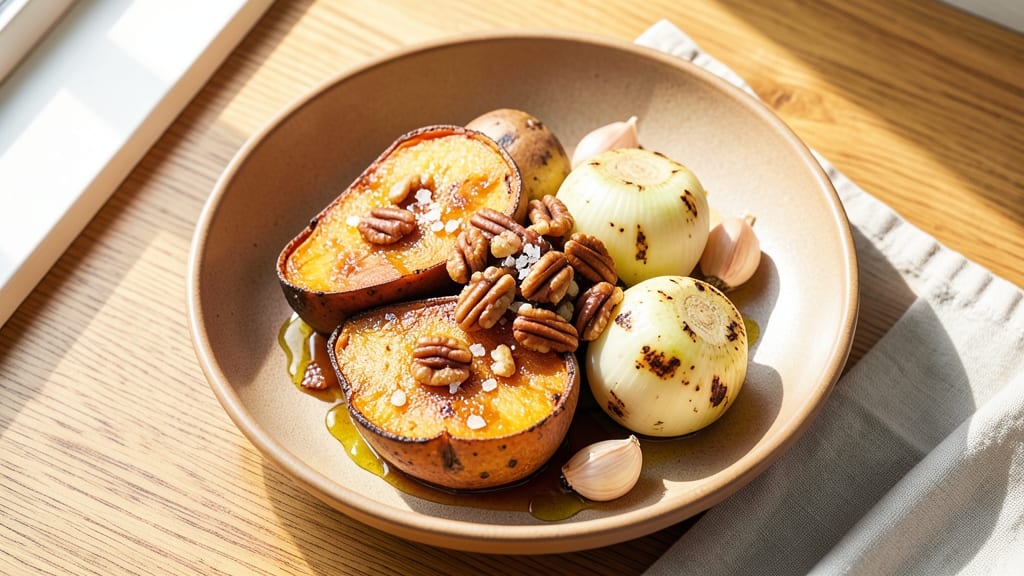
Sweet potato and rutabaga transform into a showstopping side dish when caramelized with honey and toasted nuts—this recipe delivers restaurant-quality flavor with minimal effort. The natural sweetness of sweet potatoes pairs perfectly with the earthy depth of rutabaga, creating a dish that's hearty enough to stand alone or elegant enough to complement any main. Roasting brings out their natural sugars while the nutty crunch adds texture that keeps every bite exciting.
This method focuses on two key techniques: high-heat roasting for caramelization and a final toss with toasted nuts for contrast. You'll start with simple prep—peeling and cubing the vegetables—then let the oven work its magic while you prepare the honey-garlic glaze.
The result is tender, slightly crisp edges with a sticky-sweet glaze that clings perfectly to each piece.
What makes this recipe special is its versatility—serve it as a side for roasted meats, a vegetarian main with a dollop of yogurt, or even as a topping for grain bowls.
The nutty crunch from toasted pecans or walnuts adds a satisfying contrast to the soft vegetables, making each bite balanced and delicious. Ready in just 45 minutes, this dish delivers restaurant-quality results without the fuss.
The secret to achieving that perfect caramelized finish lies in the roasting time and temperature—don't skip the final 10 minutes at a higher heat to develop that deep, golden color. This method ensures your sweet potatoes and rutabaga are tender yet firm, with a glossy sheen from the honey glaze.
Whether you're feeding a crowd or preparing a cozy weeknight meal, this recipe is designed to impress with minimal effort.
Ingredients for sweet potato and rutabaga
Here's what you'll need for this restaurant-quality sweet potato and rutabaga dish.
| Ingredient | Amount | Notes |
|---|---|---|
| Sweet Potatoes 🍠 | 2 lb | Medium size, peeled and cubed |
| Rutabagas 🥕 | 1 ½ lb | Peeled and cubed evenly |
| Honey 🍯 | ¼ cup | Raw or wildflower preferred |
| Garlic Cloves 🧄 | 4 cloves | Minced for glaze |
| Extra-Virgin Olive Oil 🫒 | ¼ cup | For roasting and glaze |
| Pecans 🥜 | ½ cup | Toasted, chopped coarsely |
| Salt 🧂 | 1 tsp | Kosher or sea salt |
| Black Pepper 🌶️ | ½ tsp | Freshly ground |
| Cinnamon 🌿 | ¼ tsp | Ground for warmth |
| Plain Greek Yogurt 🥛 | ¼ cup | For serving (optional) |
| Fresh Rosemary 🌿 | 2 tbsp | Chopped, for garnish |
The sweet potatoes and rutabagas are the stars—look for firm, vibrant roots with no soft spots. Trader Joe's or Whole Foods usually carry the best quality, but any grocery store will work. Pecans are non-negotiable for that nutty crunch, though walnuts or almonds work in a pinch. The honey should be raw or wildflower for the best flavor, but regular honey still works. For the garlic, fresh is best—jarred garlic has a different texture and flavor. If you're prepping ahead, peel and cube the vegetables, then store them in water in the fridge for up to 2 days.
No pecans? Toasted walnuts or almonds add a similar crunch. The cinnamon is optional but adds warmth—ground is fine, but whole cinnamon sticks toasted in the oil add depth. For the glaze, if you're short on honey, maple syrup works 1:1. The Greek yogurt adds creaminess when serving—plain or vanilla, but not flavored. Fresh rosemary garnish is ideal, but dried thyme at half the amount works if you're out. The olive oil matters here—use something with a high smoke point like light or extra-light olive oil for roasting.
Roasted vegetables keep well—4-5 days in the fridge if stored in an airtight container. The glaze can be made ahead and reheated gently. For longer storage, freeze the roasted vegetables without the glaze for up to 3 months. Reheat in the oven at 350°F for 10 minutes to restore crispness. The toasted nuts stay fresh for 2 weeks if stored in a sealed container away from light.
Why You'll Love This Recipe
- One-Pan Magic: I swear by this recipe when I’m too tired to wash a second pot. Toss the chopped sweet potatoes and rutabagas on a sheet pan, drizzle with olive oil, and let the oven do the work—no flipping, no fuss, just golden perfection.
- Honey-Garlic Kiss: That sweet-and-savory balance? It’s the honey caramelizing into the edges while the garlic softens into the rutabaga’s earthy bite. Honestly, the first time I bit into it, I nearly licked the plate.
- Meal Prep MVP: Between us, this keeps for days in the fridge and reheats like a dream—crispy bits stay crispy, sweetness doesn’t turn syrupy. I make a big batch on Sundays and grab it for lunches all week, no excuses.
- Pantry Staple Power: Sweet potatoes and rutabagas are cheap, and honey and olive oil last forever. It’s the kind of recipe where you’re not stressing over expensive ingredients, just making something hearty and satisfying that won’t break the bank.
Step-by-step instructions for honey-caramelized roots with nutty crunch
Transform humble sweet potatoes and rutabagas into a caramelized masterpiece with this balanced method.
Prep and Roast the Vegetables
Preheat your oven to 400°F and line two rimmed baking sheets with parchment paper. In a large bowl, toss the 2 lb sweet potatoes and 1.5 lb rutabagas with 0.25 cup extra-virgin olive oil, 1 tsp salt, and 0.5 tsp black pepper. Spread them evenly in a single layer on the baking sheets—don't overcrowd, or they'll steam instead of roast.
Roast for 25-30 minutes until the edges are golden brown and a knife slides in easily. Flip the vegetables halfway through cooking for even browning. The rutabagas will caramelize faster than the sweet potatoes, so check them first. Remove from the oven and let cool slightly—this resting period helps the flavors meld and makes them easier to handle.
Create the Honey-Garlic Glaze
While the vegetables roast, combine 0.25 cup honey and 4 cloves minced garlic in a small saucepan. Place over medium heat and bring to a gentle simmer, stirring constantly. Cook for 3-4 minutes until the mixture thickens slightly and becomes fragrant—you'll see bubbles form and the honey take on a deeper amber color.
Remove from heat and stir in 0.25 tsp cinnamon. The warmth will help the spices bloom, adding depth to the glaze. Let it cool for 2 minutes before using, as hot honey can scorch the vegetables when applied. This glaze is the star of the dish, balancing sweetness with savory garlic and warm spices.
Assemble and Garnish
Return the roasted vegetables to the oven on the same baking sheets. Drizzle the honey-garlic glaze evenly over the top, using about 2 tablespoons per sheet. Broil for 2-3 minutes until the glaze bubbles and caramelizes—watch closely to prevent burning. The vegetables should be sticky and glossy with a deep golden hue.
Remove from the oven and sprinkle with 0.5 cup toasted, chopped pecans and 2 tbsp chopped fresh rosemary. The pecans add crunchy texture while the rosemary brings an herbal brightness that cuts through the sweetness. Serve immediately while the vegetables are warm, drizzling with an extra spoonful of glaze if desired.
Serve with Optional Greek Yogurt
For an extra layer of creaminess, serve with 0.25 cup plain Greek yogurt on the side. The cool, tangy yogurt balances the caramelized sweetness and adds protein to the dish. Dollop a spoonful onto each serving or use it to scoop up any remaining glaze from the plate.
This dish makes 4 generous servings, perfect for a hearty vegetarian main course or side dish. The combination of caramelized roots, nutty crunch, and aromatic glaze creates a satisfying balance of textures and flavors that will impress even the most discerning palates. Enjoy while warm for the best experience!
Pro Tips For Making Sweet Potato And Rutabaga
- CUT RUTABAGAS SMALLER THAN YOU THINK: I learned this the hard way—rutabagas take longer to soften than sweet potatoes, and if you slice them too thick, you’ll end up with a mushy center while the outside burns. Aim for ½-inch chunks max, and toss them in the pan first so they get a head start.
- ROAST SWEET POTATOES AT 400°F: High heat for the first 15 minutes gets them caramelized and crispy, but then drop the oven to 350°F to finish cooking. I used to roast them low and slow, and they’d turn out sad and mealy—this two-stage method guarantees tender edges with a crispy skin.
- PEEL RUTABAGAS AFTER COOKING: Peeling raw rutabagas is a pain, and you’ll likely nick yourself trying to remove the tough skin. Instead, roast them whole (or in large chunks), then peel them once they’re tender—it slides right off, and you won’t waste any of that flavorful flesh.
- USE RAW GARLIC, NOT MINCED: Pre-minced garlic burns in seconds, and you’ll end up with bitter bits. Smash 3-4 whole cloves with the flat side of your knife, then let them roast in the oil for the first 10 minutes—they’ll soften and infuse flavor without turning to ash. (Yes, even if you’re impatient like me.)
Perfect pairings for this dish
Protein-Packed Additions
Turn this dish into a complete meal by adding crispy chickpeas—toss 1 cup cooked chickpeas with 1 tsp smoked paprika and 1 tbsp olive oil, then roast at 400°F for 15 minutes until golden.
Their earthy flavor complements the sweetness perfectly. For extra protein, top with ¼ cup crumbled feta cheese or sprinkle with toasted pumpkin seeds for a nutty crunch. 💪
Herbaceous Garnishes
Elevate the dish with fresh herbs that brighten the caramelized flavors. A sprinkle of chopped cilantro adds a citrusy note, while thyme leaves bring an earthy depth. For a smoky touch, try crumbled dried sage or fresh dill if you prefer a lighter profile.
I love using microgreens for a pop of color and freshness—they add a delicate peppery kick.
Cheesy Twists
Add a creamy element by topping with shredded Gruyère cheese (about ½ cup) during the final broil—it melts beautifully into the glaze. For a tangy contrast, use crumbled goat cheese or a dollop of whipped ricotta alongside the Greek yogurt.
The cheese pairs especially well with the nutty pecans and balances the sweetness of the honey glaze. 🧀
Spicy Kicks
For heat lovers, drizzle with chili oil (about 1 tsp) or sprinkle with flaky sea salt and red pepper flakes. A pinch of cayenne pepper mixed into the honey glaze adds subtle heat without overpowering.
If you enjoy smoky flavors, try a dash of smoked salt or a sprinkle of crumbled chorizo (vegetarian-friendly chorizo works too) for depth. 🌶️
Beverage Pairings
A crisp dry Riesling or Sauvignon Blanc cuts through the sweetness while complementing the earthy rutabaga. For a non-alcoholic option, try sparkling apple cider with a cinnamon stick—its effervescence cleanses the palate.
A cold green tea with honey adds a soothing contrast, while a robust black tea like Earl Grey enhances the caramelized flavors. 🍷
Grain Bowl Base
Serve the roasted roots over warm farro or quinoa for a hearty grain bowl. The nutty texture of the grains pairs beautifully with the caramelized vegetables. Add avocado slices for creaminess or pickled red onions for a tangy bite.
This makes a satisfying vegetarian main course that’s packed with texture and flavor. 🌾
Nutrition facts
Frequently asked questions
Can I substitute regular potatoes for rutabagas?
Rutabagas add a unique earthy sweetness that regular potatoes can't replicate. However, you could use parsnips or carrots for a similar texture, though the flavor will differ slightly. If you must use potatoes, try sweet potatoes only—they're the closest match in sweetness, but the dish will lose that distinctive rutabaga depth.
How do I prevent the sweet potatoes from burning?
Watch them closely during the final 2-3 minutes of broiling—this is when they're most likely to burn. Use a baking sheet with lower edges to catch drips and consider tenting with aluminum foil if your oven runs hot. For extra insurance, reduce the broiler temperature to 375°F and check every 30 seconds.
Can I make this recipe ahead of time?
Roast the vegetables 1 day ahead and store them in an airtight container. Reheat at 350°F for 10 minutes before adding the glaze and nuts. The toasted nuts should be added fresh for maximum crunch, but you can toast them separately and store them in a sealed container for up to 2 weeks.
What's the best way to cut rutabagas evenly?
Peel the rutabagas first, then cut them in half lengthwise. Place each half cut-side down on the cutting board and slice into ½-inch thick half-moons. This ensures even cooking and maximum caramelization. For extra efficiency, use a mandoline slicer if you have one—just be careful with the skin-on sides.
Is this dish suitable for a vegan diet?
Mostly yes! Skip the Greek yogurt and use vegan alternatives like coconut yogurt. The honey can be replaced with maple syrup or agave nectar (use 1:1 ratio). For the toasted nuts, ensure they're from a vegan-friendly source. The rest of the recipe is naturally vegan-friendly with these simple swaps.