
Side Dishes
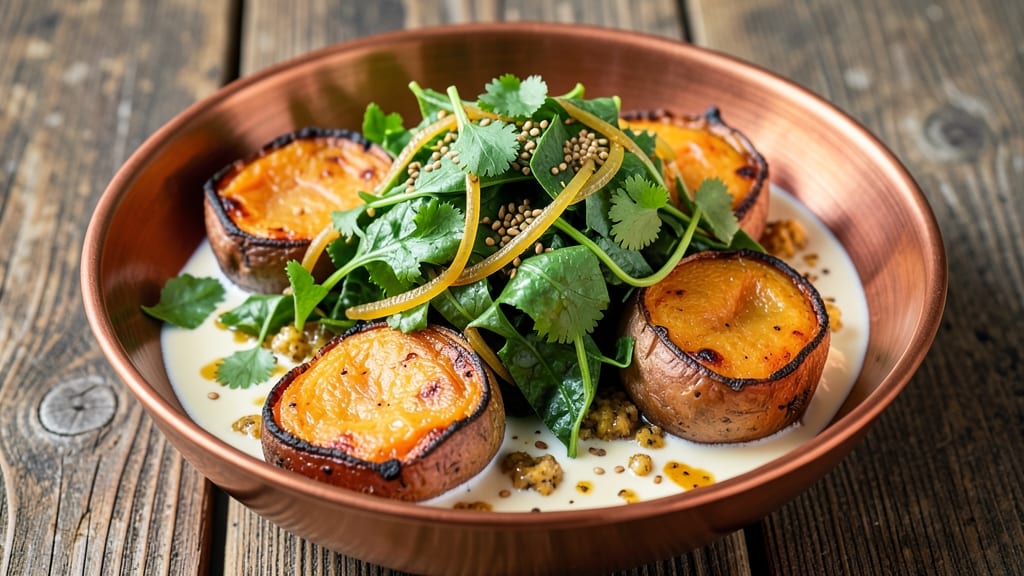
This sweet potato and spinach Indian recipe transforms humble ingredients into a vibrant, aromatic curry that balances sweet, earthy, and spicy flavors. 🌿 The secret lies in slow-cooked sweet potatoes that caramelize beautifully alongside wilted spinach, all bound together by a rich coconut milk base and a fragrant blend of whole spices.
Perfect for a hearty vegetarian meal or as a side to complement grilled meats, this dish delivers restaurant-quality depth in just one pot.
The foundation of this recipe is a tempering technique (tadka) that releases the full potential of cumin, mustard seeds, and curry leaves, infusing the dish with layers of warmth and complexity.
Sweet potatoes are cooked until tender yet firm, while spinach wilts into the sauce, absorbing the spices and coconut cream. The result is a curry that’s creamy, slightly sweet, and packed with earthy spinach flavor—ideal for those who love bold, comforting Indian flavors without the heaviness of traditional dairy-based dishes.
What makes this recipe stand out is its versatility—it works as a standalone vegetarian main or pairs beautifully with basmati rice, naan, or roti. The coconut milk adds a velvety texture, while the spices (turmeric, coriander, garam masala) create a harmonious balance of heat and aroma.
Each bite delivers a satisfying mix of textures and flavors, making it a go-to dish for weeknight dinners or special occasions.
For an extra touch of freshness, finish with a sprinkle of toasted coconut flakes or a squeeze of lemon. The curry tastes even better the next day as flavors meld further, proving it’s a recipe worth making ahead.
Let’s bring this comforting Indian classic to your table with just a few simple steps.
Ingredients for sweet potato and spinach indian
Earthy sweet potatoes meet tender spinach in this aromatic, coconut-rich Indian curry—simple ingredients with restaurant-quality depth.
| Ingredient | Amount | Notes |
|---|---|---|
| Medium Sweet Potatoes 🍠 | 2 lb | Cut into 1-inch cubes, peeled |
| Fresh Spinach 🌿 | 10 oz | Packed, loosely chopped |
| Coconut Milk 🥥 | 13 ½ oz | Full-fat canned, unsweetened |
| Yellow Onion 🧅 | 1 whole | Medium, finely chopped |
| Garlic Cloves 🧄 | 6 cloves | Minced, fresh preferred |
| Ginger Root 🌿 | ¾ oz | Fresh, grated (about 2 tbsp) |
| Mustard Seeds 🌶️ | 1 tsp | Whole, yellow or brown |
| Cumin Seeds 🌶️ | 1 tsp | Whole, toasted |
| Curry Leaves 🌿 | ½ tsp | Dried or fresh |
| Ground Turmeric 🌶️ | 1 tsp | Freshly ground preferred |
| Ground Coriander 🌿 | 1 tsp | Freshly ground preferred |
| Garam Masala 🌶️ | 1 tsp | Store-bought or homemade |
| Extra-Virgin Olive Oil 🫒 | 2 tbsp | For tempering |
| Sea Salt 🧂 | 1 tsp | Adjust to taste |
| Fresh Lemon Juice 🍋 | 1 tbsp | For finishing |
The sweet potatoes are the heart of this dish—firm yet tender after slow cooking. Look for medium-sized orange sweet potatoes at the grocery store; they’re sweeter than the large ones. For spinach, baby spinach or fresh loose-leaf works best—avoid pre-washed bags, which wilt faster. Coconut milk is non-negotiable here; full-fat canned brands like Thai Kitchen or Goya deliver the richest texture. If you can’t find fresh curry leaves, dried works at half the amount, though the flavor will be subtler.
No mustard seeds? Swap for 1/4 tsp ground mustard, but you’ll lose that signature pop. Fresh ginger and garlic can be substituted with paste (use 1 tbsp paste per 0.75 oz fresh), though freshly grated adds brightness. For extra depth, toast the whole cumin and coriander seeds in a dry pan for 30 seconds before grinding. The garam masala blend matters—look for brands with black cardamom and cinnamon for complexity. Lemon juice can be omitted, but it brightens the dish beautifully.
Store cooked curry in an airtight container for 4-5 days in the fridge, where flavors deepen overnight. Freezes well for up to 3 months—portion into single servings for easy reheating. For best texture, reheat gently on the stove with a splash of water. The spinach wilts completely, so add it last. If making ahead, hold off on the lemon juice until serving to preserve freshness.
Why You'll Love This Recipe
- One-Pot Magic: I swear by this recipe when I’m too tired to scrub pots—just roast the sweet potatoes, sauté the onions and garlic, toss in the spinach, and pour in the coconut milk. The stove stays clean, and my hands barely touch a dishcloth.
- Creamy Without the Guilt: That velvety coconut milk hugs the sweet potatoes like a warm blanket, but it’s light enough you won’t feel sluggish after. Honestly, the first time I made it, I thought, “This is restaurant-level comfort, but I’m the one who made it.”
- Leftover Hero: This dish actually improves the next day. The flavors meld into something deeper, and it reheats like a dream—perfect for packed lunches or lazy Sundays. I’ve fed a houseful with just two extra servings.
- Budget Bright Spot: Sweet potatoes and spinach stretch farther than you’d think, especially when you bulk them up with coconut milk. Between us, this is my go-to when I’m trying to make groceries last longer, and no one complains about the taste.
Step-by-step instructions for sweet potato and spinach coconut curry
Here's how to create a rich, velvety curry where sweet potatoes caramelize beautifully and spinach wilt into the coconut-infused sauce.
🔥 Step 1: Temper the Spices for Maximum Flavor
Heat the 2 tablespoons extra-virgin olive oil in a heavy-bottomed pot over medium heat. Add the 1 teaspoon mustard seeds and 1 teaspoon cumin seeds - they'll sizzle loudly as they toast. Watch carefully; they should darken slightly but not burn, which takes about 30-45 seconds. This is where the magic happens - the seeds release their nutty aroma and prevent the curry from tasting flat.
Immediately add the 0.5 teaspoon curry leaves and 6 cloves minced garlic along with the 0.75 ounce grated ginger root. Stir constantly for 1-2 minutes until the garlic turns golden and fragrant. The curry leaves will darken and release their citrusy perfume - this is your signal they're ready. If you smell burning, reduce heat slightly but keep stirring to prevent the garlic from charring.
🍳 Step 2: Build the Spice Base with Turmeric and Coriander
Add the 1 teaspoon ground turmeric and 1 teaspoon ground coriander, stirring vigorously for 30 seconds to bloom their flavors. You'll notice the mixture foam slightly - this is normal and indicates the spices are activating properly. Immediately pour in the 1 whole yellow onion and stir for 2-3 minutes until softened and translucent.
Here's the thing - don't rush this step. The onion needs to cook down completely before adding the sweet potatoes. If you add them too soon, they'll absorb too much liquid and become watery. You'll know it's ready when the onions release their sweet aroma and turn a light golden color. This typically takes 5-6 minutes of constant stirring.
👨🍳 Step 3: Cook the Sweet Potatoes Until Tender
Add the 2 lb medium sweet potatoes (pre-cut into 1-inch cubes) to the pot. Stir gently to coat them in the spice mixture. Pour in 1 cup of water and bring to a gentle simmer. Cover and cook for 12-15 minutes over medium-low heat, stirring occasionally, until the sweet potatoes are fork-tender with just a slight resistance.
I press down gently on a potato with a fork to test doneness - it should pierce easily but still have a tiny bit of bite. The potatoes should absorb most of the liquid but still have a bit of moisture remaining. If they're releasing too much liquid, uncover and cook for another 2-3 minutes to reduce the sauce slightly. This ensures your curry has the perfect balance of sauce and vegetables.
🥘 Step 4: Finish with Coconut Milk and Spinach
Reduce heat to low and stir in the 13.5 ounces coconut milk. Add the 1 teaspoon sea salt and bring to a gentle simmer. Stir occasionally for 5-7 minutes until the sauce thickens slightly and coats the back of a spoon. The coconut milk will create a luscious, velvety texture that perfectly complements the earthy sweet potatoes.
In the final 2 minutes of cooking, stir in the 10 ounces loosely chopped spinach until just wilted. The spinach should disappear completely into the sauce, leaving just a few tender pieces. Remove from heat immediately - overcooking will make the spinach bitter. Here's where the lemon juice comes in: stir in the 1 tablespoon fresh lemon juice to brighten the flavors and cut through the richness.
⏰ Step 5: Rest and Serve with Garam Masala
Let the curry rest for 5 minutes off the heat. This allows the flavors to meld completely and the sauce to thicken naturally. Before serving, sprinkle each portion with 1 teaspoon garam masala and toss gently. The garam masala adds that signature Indian warmth that makes this dish truly special.
Serve immediately with basmati rice or warm naan bread. The curry should be thick enough to coat the back of a spoon but still spoonable. Each bite should deliver a perfect balance of sweet potatoes' natural sweetness, the earthy spinach, and the rich coconut milk with its subtle hint of spice. The lemon juice ensures the dish isn't overly heavy, finishing with a refreshing tang.
Pro Tips For Making Sweet Potato And Spinach Indian
- CUT POTATO EVENLY: Use a mandoline or sharp knife to slice sweet potatoes into ¼-inch thick rounds—thinner pieces cook faster and soak up flavors better. I used to eyeball it and end up with some barely tender while others turned to mush.
- WILT SPINACH RIGHT: Add spinach after the onions and garlic soften but before the coconut milk hits—this keeps it vibrant, not soggy. I learned this the hard way when my first batch turned into a sad, watery pile.
- LOW-HEAT SIMMER COCONUT: Reduce coconut milk gently on medium-low heat—boiling it splits the cream and makes the sauce grainy. Sounds tedious, but skipping this step ruins the silky texture.
- SALT THE POTATOES FIRST: Toss sweet potato slices with ½ tsp salt before cooking—they’ll soften faster and absorb spices deeper. I was skeptical until I tried it; now I never skip this step.
Serving suggestions for leftovers
Rice Pairings
Serve this curry with jasmine or basmati rice for the perfect balance of textures. I recommend long-grain basmati because its light, fluffy texture soaks up the coconut-infused sauce beautifully while keeping each grain distinct.
For extra flavor, cook the rice with 1 cinnamon stick and 2 cardamom pods while toasting the grains in ghee—this adds subtle warmth that complements the curry’s earthy notes. 🌾
Bread Companions
Warm naan or roti elevates this dish to restaurant quality. For a quick version, brush store-bought naan with garlic-infused olive oil and toast in a skillet for 30 seconds per side until puffed.
Alternatively, serve with garlic paratha—the buttery layers contrast perfectly with the curry’s creamy coconut sauce. Keep bread warm in a 200°F oven while serving.
Protein Additions
For a heartier meal, stir in ½ cup cooked chickpeas or 1 cup paneer cubes during the final 5 minutes of cooking. The chickpeas add protein and texture, while paneer soaks up the coconut-spice flavors beautifully.
For a meat option, add ½ lb shredded chicken (cooked separately) or crumbled tofu for a vegetarian twist. 🍗
Garnish Ideas
Finish with toasted coconut flakes for crunch and a touch of sweetness—sprinkle 1 tablespoon just before serving. Fresh cilantro leaves add brightness, while red chili flakes (½ teaspoon) give a subtle kick.
For a luxurious touch, drizzle with 1 teaspoon ghee and a pinch of black salt (kala namak) for a sulfurous, eggy depth that’s uniquely Indian.
Meal Prep Serving
This curry reheats beautifully for 3-4 days of easy lunches. Store leftovers in an airtight container and reheat with 2 tablespoons water over medium-low heat for 5 minutes, stirring occasionally.
Serve with pre-cooked rice or leftover naan for a quick, satisfying meal. The flavors actually improve overnight as the spices meld further! ⏰
Nutrition facts
Frequently asked questions
Can I substitute regular potatoes for sweet potatoes in this recipe?
Sweet potatoes are essential for their natural sweetness and texture that caramelizes beautifully in the coconut sauce. Regular potatoes will make the dish less flavorful and more starchy. If you must substitute, use yellow potatoes and reduce cooking time by 3-4 minutes since they cook faster. For best results, stick with sweet potatoes—they're the star of this dish!
How can I make this recipe vegan?
Swap the extra-virgin olive oil for vegan coconut oil and use vegan ghee for tempering. Replace the coconut milk with a full-fat unsweetened coconut cream to maintain richness. For extra depth, add 1 teaspoon maple syrup to balance flavors. All other ingredients are naturally vegan-friendly!
Why does my curry taste bland after adding spinach?
Spinach absorbs flavors quickly, so add it only in the final 2 minutes of cooking. Boost flavors by increasing the garam masala to 1.5 teaspoons before serving, or add a pinch of asafetida (hing) during tempering. If the curry still tastes flat, simmer uncovered for 5 extra minutes to reduce the sauce slightly and concentrate the spices.
Can I use frozen spinach instead of fresh?
Yes, but thaw and drain it thoroughly first to avoid a watery curry. Use 8 ounces frozen spinach (instead of 10 ounces fresh) and squeeze out excess moisture with your hands. Add it to the pot when the coconut milk is simmering, and cook for just 1 minute until heated through—no need to wilt completely.
How spicy is this recipe, and can I adjust the heat?
The recipe is mild with no chili powder, but you can add heat by stirring in ½ teaspoon cayenne pepper or 1 teaspoon red chili powder during the tempering step. For a smoky kick, add ¼ teaspoon smoked paprika with the garam masala. Always taste before serving—you can adjust to your preference!