
Side Dishes
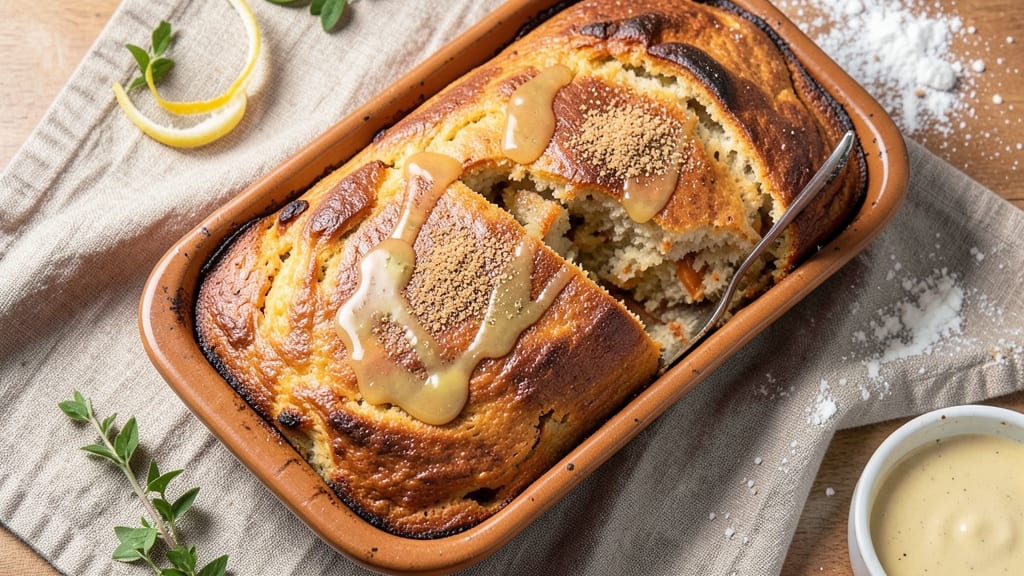
This sweet potato bread recipe with yeast transforms humble ingredients into a loaf that smells like autumn in every slice—warm cinnamon, nutmeg, and the natural sweetness of roasted sweet potato.
The secret lies in balancing yeast tang with caramelized sweet potato flavor, creating a soft yet sturdy crumb that begs to be slathered with butter. I developed this after years of baking dense, dry sweet potato bread, and the difference is night-and-day.
The magic happens in the dough: yeast-activated sweet potato puree replaces water, while a touch of brown sugar feeds the yeast and enhances the bread's depth. A swirl of spiced streusel—cinnamon, nutmeg, and a hint of orange zest—adds pockets of warm, aromatic contrast with every bite.
The crust stays tender rather than crisp, perfect for sandwiches or serving alongside soup.
Baking at 350°F for 35–40 minutes yields a loaf with a golden dome and an interior so soft it practically melts. The yeast creates a light, airy texture that contrasts beautifully with the sweet potato's natural density.
This bread keeps well for days, making it ideal for meal prep—just reheat slices for that fresh-from-the-oven warmth.
Pair it with honey butter, jam, or even savory toppings like smoked salmon and cream cheese. The sweetness balances perfectly with rich or tangy flavors, making it versatile for breakfast, brunch, or even a sophisticated side dish. Ready to bake a loaf that tastes like comfort?
Ingredients for sweet potato bread recipe yeast
Sweet potato puree, yeast magic, and spiced streusel—everything you need for a loaf that smells like autumn.
| Ingredient | Amount | Notes |
|---|---|---|
| Medium Sweet Potatoes 🍠 | 2 whole | Peeled, roasted until tender |
| Active Dry Yeast 🍞 | 2 ¼ tsp | One packet, proofed in warm liquid |
| All-Purpose Flour 🌾 | 4 cups | Plus 1 cup for dusting |
| Granulated Sugar 🍚 | ½ cup | For yeast activation |
| Brown Sugar 🍯 | ¼ cup | Packed, for depth of flavor |
| Unsalted Butter 🧈 | ½ cup | Cold, cubed for dough |
| Large Eggs 🥚 | 1 whole | Room temperature for mixing |
| Milk 🥛 | ½ cup | Warmed for dough tenderness |
| Ground Cinnamon 🌿 | 2 tsp | Plus extra for streusel |
| Ground Nutmeg 🌿 | 1 tsp | Freshly grated preferred |
| Orange Zest 🍊 | 1 tbsp | From 1 organic orange |
| Salt 🧂 | 1 tsp | Diamond Crystal preferred |
| Vanilla Extract 🌸 | 1 tsp | Pure, high-quality |
| Old-Fashioned Oats 🌾 | ½ cup | Blended to powder for streusel |
| Light Brown Sugar 🍯 | ¼ cup | Packed, for streusel sweetness |
The sweet potatoes are non-negotiable for texture and flavor. Orange-fleshed varieties like Beauregard yield the best caramelized sweetness. Roast them until fork-tender—425°F for 45 minutes—then puree until completely smooth. Whole Foods or local markets often carry the best quality, but any grocery store's organic section works. Skip the pre-made sweet potato puree—it lacks the depth of freshly roasted. For the yeast, Bob's Red Mill active dry yeast is my go-to, but any reliable brand will work if it's fresh (check the expiration date).
No yeast? Instant yeast works 1:1, but proofing times may vary slightly. Substituting brown sugar with white sugar loses some depth, but it's a fine pinch if that's all you have. For the streusel, blend the oats into a fine powder—this creates those perfect pockets of spiced crunch. Want more warmth? Add ½ tsp cardamom to the streusel mix. The orange zest can be dried and stored for months, but fresh is always brighter. If you're short on time, pre-made streusel from Trader Joe's works in a pinch, though homemade tastes infinitely better.
This loaf keeps beautifully—3 days at room temperature wrapped in a clean kitchen towel, or 1 week refrigerated in an airtight container. For longer storage, slice and freeze portions for up to 3 months. Reheat slices in a 350°F oven for 5-7 minutes to restore that fresh-from-the-oven warmth. The streusel topping stays crisp for days, but if it softens, just sprinkle a little more before serving. Double the recipe if you're feeding a crowd—the dough can be divided and baked in two pans.
Why You'll Love This Recipe
- No Boil, No Peel: The sweet potatoes go right into the food processor—no peeling, no boiling, no mess. I just microwave them whole for 8 minutes, scoop out the flesh, and mix. That’s it. Zero prep stress.
- Caramelized Sweetness: That combo of brown and granulated sugar? It turns the bread into something dangerously addictive—like a cross between cinnamon rolls and a warm, spiced loaf. The yeast makes it light, but the sweet potato keeps it rich and moist.
- Breakfast or Snack Star: I make a batch on Sundays and it lasts all week. Toast it for breakfast with butter, or serve it with jam for a quick snack. Honestly, I’ve even used slices as a pancake topping—yes, really.
- Budget-Friendly Staple: Sweet potatoes are cheap, and this recipe stretches far. A single loaf feeds my family for days, and the yeast dough is forgiving if I forget it overnight. My wallet (and my taste buds) thank me.
Step-by-step instructions for sweet potato bread with yeast
This method transforms simple ingredients into a loaf with moist crumb and aromatic swirls.
Roast and Mash the Sweet Potatoes
Preheat your oven to 400°F and pierce the two medium sweet potatoes with a fork. Place them directly on the oven rack for 45-50 minutes until tender when pierced with a knife. The skin should be slightly charred—this adds depth of flavor.
Once cool enough to handle, peel the potatoes and transfer them to a mixing bowl. Using a potato masher or fork, mash until completely smooth with no lumps remaining. Let the mash cool to room temperature before using—this prevents the yeast from activating prematurely. The cooled mash should be thick but spreadable, with a vibrant orange hue that signals perfect roasting.
Proof the Yeast and Mix the Dough
In a small bowl, combine the 2.25 teaspoons active dry yeast with ½ cup warm milk (about 110°F) and ½ cup granulated sugar. Let this mixture sit for 5-10 minutes until it becomes foamy and bubbly. This indicates the yeast is alive and ready to work.
In a large mixing bowl, combine the yeast mixture with the cooled sweet potato mash, 1 whole large egg, ½ cup unsalted butter (cold and cubed), 1 teaspoon vanilla extract, 1 tablespoon orange zest, 1 teaspoon salt, 2 teaspoons ground cinnamon, and 1 teaspoon ground nutmeg. Using a wooden spoon or dough whisk, mix until the butter is incorporated and the dough begins to come together. The dough should be thick and slightly sticky, with visible pockets of butter creating a marbled effect.
Knead and Shape the Dough
Add the 4 cups all-purpose flour to the mixing bowl and use a dough whisk or your hands to gradually incorporate it into the dough. Once combined, turn the dough onto a lightly floured surface and knead for 8-10 minutes until smooth and elastic. The dough should be soft but not sticky—add more flour 1 tablespoon at a time if needed to achieve the proper consistency.
Divide the dough into two equal portions and shape each into a log. Place the logs side by side in a greased 9x5-inch loaf pan, leaving a ½-inch gap between them. Cover the pan with a clean kitchen towel and let the dough rise in a warm place for 1-1.5 hours or until it has doubled in size. The dough should feel light and springy when pressed gently with a finger.
Prepare and Bake the Streusel Topping
In a small bowl, combine the ½ cup old-fashioned oats (blended to a powder), ¼ cup light brown sugar, ¼ cup all-purpose flour (from the extra cup reserved for dusting), 1 teaspoon ground cinnamon, and 1 teaspoon vanilla extract. Mix until evenly combined and set aside.
Preheat your oven to 375°F. Once the dough has risen, sprinkle half of the streusel mixture evenly over the top of the loaves. Gently press down with your fingers to adhere it to the dough. Bake for 45-50 minutes until the bread is golden brown and the internal temperature reaches 200°F. The top should be crackly, and the sides should pull away slightly from the pan.
Cool and Serve for Maximum Freshness
Remove the bread from the oven and transfer it to a wire rack to cool for 10-15 minutes. Avoid slicing immediately—the bread continues to set as it cools, and cutting too soon can result in a gummy texture. Once cooled, sprinkle the remaining streusel mixture over the top for added crunch and visual appeal.
Slice the bread into 8 equal portions and serve warm for the best experience. The interior should be moist with a fine crumb, while the exterior remains crisp and fragrant with warm spices. Store any leftovers in an airtight container at room temperature for up to 3 days or freeze for up to 3 months for future enjoyment.
Pro Tips For Making Sweet Potato Bread Recipe Yeast
- Boil Potatoes Until Fork-Tender: I learned this the hard way—overcooked sweet potatoes turn to mush in the dough, and undercooked ones leave you chewing. Aim for a knife slipping in easily (not falling apart) when pierced. Drain well and let them cool completely before mashing—warm potatoes kill yeast faster than you’d think.
- Proof Yeast in Warm Sweet Potato Water: Skip the milk or plain water—dissolve the yeast in the strained, cooled sweet potato liquid instead. The natural sugars feed the yeast better, and the flavor ties everything together. Let it sit until foamy (5-10 minutes), then proceed. (Yes, even if you’re impatient like me.)
- Weigh Your Flour—Don’t Scoop: Volume measurements with flour are a disaster in this dough. Sweet potato bread relies on precise ratios, and scooping packs it too tightly. Use a kitchen scale for accuracy—this isn’t the time to eyeball it. A 1% difference in flour can make your bread dense or gummy.
- Rest Dough Twice—Once Is Lazy: The first rise (after mixing) is non-negotiable, but the second rise after shaping is where the magic happens. Let the shaped loaf rise in a warm spot until it’s almost doubled—this ensures a light crumb. (I skip this when I’m lazy, and the bread tastes noticeably heavier.) Cover it loosely with a towel; no need for fancy equipment.
Flavor customization for this sweet potato bread recipe yeast
Spiced Variations
Swap the cinnamon and nutmeg for 1 tsp cardamom and ½ tsp ginger for a Middle Eastern twist—add 1 tbsp orange blossom water to the dough for floral depth. The cardamom brings earthy warmth while ginger adds a subtle kick that pairs beautifully with honey butter. 🌿
Sweet Potato Swaps
Use butternut squash puree (about 1.5 cups) for a fall-inspired variation—reduce the sugar to ¼ cup granulated since squash is naturally sweeter. For a tropical vibe, try ½ cup mashed pumpkin> (not pumpkin pie filling) and add ½ tsp allspice to the streusel.
Both work best with a slightly longer bake at 350°F for 45 minutes.
Savory Twist
Transform this into a savory loaf by omitting all sugars and adding 1 tbsp smoked paprika, 1 tsp garlic powder, and ½ tsp onion powder to the dough.
Top with a streusel of ½ cup crushed cornflakes, 2 tbsp grated Parmesan, and 1 tbsp chopped chives. Bake at 375°F for 30-35 minutes until golden—perfect for pairing with soups or charcuterie.
Extra-Moist Options
For a denser, cake-like texture, replace ½ cup milk> with ½ cup Greek yogurt> and add 1 tbsp sour cream> to the dough. This creates a softer crumb ideal for French toast or bread pudding.
For extra richness, fold in ¼ cup melted white chocolate> (tempered) into the dough before baking—it melts into silky pockets when heated.
Gluten-Free Adaptation
Use a 1:1 gluten-free flour blend> (like Bob’s Red Mill) and add ½ tsp xanthan gum> to the dough. Reduce the sweet potato puree to 1 cup> (since GF flours absorb more liquid) and let the dough rest for 20 minutes> before kneading.
The bake time increases to 50-55 minutes>—check for doneness at 200°F internal temp>. 💪
Protein Boost
Incorporate ½ cup finely chopped walnuts> or ¼ cup pumpkin seeds> into the dough for crunch and healthy fats. For a nutty flavor, add 1 tsp almond extract> to the streusel.
These additions work especially well with a maple glaze> (mix ¼ cup maple syrup> with 1 tbsp cream cheese>**) drizzled over the cooled loaf.
Nutrition facts
Frequently asked questions
Why does my sweet potato bread turn out dense instead of light and airy?
Overmixing the dough or skipping the proofing step are the most common culprits. The yeast needs time to activate fully—ensure your sweet potato mash is completely cooled before mixing, and let the dough rise until it's doubled in size. Also, avoid adding too much flour during kneading, which can make the crumb tough. For extra lift, try replacing ½ cup milk with Greek yogurt—it adds moisture and tenderness.
Can I make this bread without a stand mixer? Yes, but how?
Knead the dough by hand on a lightly floured surface for 8-10 minutes until smooth and elastic. Use the "fold and turn" method: stretch one side of the dough toward the center, then fold it over itself, and rotate the bowl 90 degrees. Repeat until the dough springs back when poked. For the streusel, blend oats into a powder with a coffee grinder or rolling pin for that perfect crunch.
How do I know when the bread is fully baked?
Look for three key signs: the internal temperature should reach 200°F (use a meat thermometer), the top should be golden brown with crackly streusel, and the sides should pull away slightly from the pan. Tap the bottom—it should sound hollow. If unsure, bake 5 more minutes to avoid a gummy center. The bread continues setting as it cools, so resist slicing too soon!
What's the best way to store leftovers to keep them fresh?
Wrap cooled slices in a clean kitchen towel and store in an airtight container at room temperature for 3 days. For longer storage, freeze slices individually on a tray, then transfer to a bag for up to 3 months. To revive, reheat in a 350°F oven for 5-7 minutes or microwave for 10-15 seconds. The streusel stays crisp best when stored this way—avoid refrigerating whole loaves!
Can I use instant yeast instead of active dry yeast?
Yes! Use the same amount (2.25 tsp) but skip the proofing step—just sprinkle it directly into the dough. Instant yeast activates faster, so your dough may rise slightly quicker. For best results, let it rise in a warm place (80°F) and check for doubling after 45-60 minutes. The flavor and texture will be identical to active dry yeast.