
Side Dishes
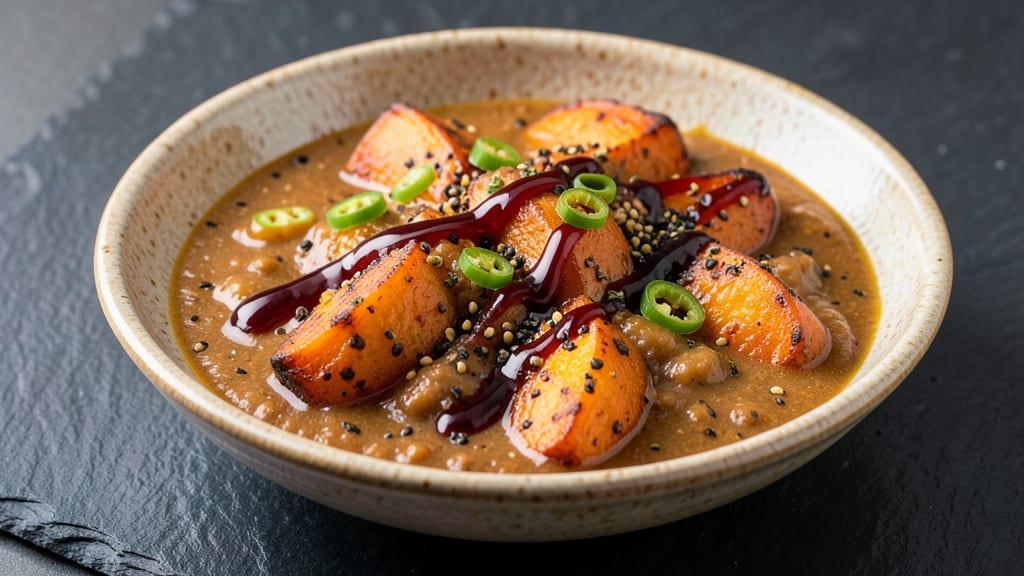
Sweet potato chutney transforms humble ingredients into a vibrant condiment that bridges sweet and savory with every spoonful. This recipe builds on traditional techniques by blending roasted sweet potatoes with aromatic spices, creating a rich, textured paste perfect for dipping, drizzling, or pairing with grilled meats.
The tamarind and mustard seeds add depth that elevates simple dishes into something extraordinary.
The foundation of this chutney lies in its balance—roasted sweet potatoes provide natural sweetness while cumin, coriander, and green chilies deliver warmth and complexity. Fresh herbs like cilantro and mint brighten the blend, and a touch of acidity from lemon ensures freshness.
The texture becomes velvety yet slightly crunchy, thanks to toasted mustard seeds that add both flavor and visual appeal.
What makes this recipe stand out is its versatility—use it as a dip for pita bread, a marinade for proteins, or a topping for roasted vegetables.
The chutney keeps well in the refrigerator for up to a week or can be pasteurized for longer storage, making it ideal for meal prep. Each batch yields about 2 cups of luscious, aromatic paste ready to transform your meals.
For those who prefer a smoother consistency, blend longer; for added texture, leave small chunks of sweet potato. The key is patience—letting the flavors meld during preparation ensures every bite delivers that perfect harmony of sweet, spicy, and tangy notes.
This chutney isn’t just a side; it’s the star of the plate.
Ingredients for sweet potato chutney
Roasted sweet potatoes and aromatic spices create a vibrant, textured chutney perfect for dipping or drizzling.
| Ingredient | Amount | Notes |
|---|---|---|
| Orange Sweet Potatoes 🍠 | 2 lb | Medium size, peeled and cubed |
| Tamarind Paste 🍈 | ½ cup | High-quality, unsweetened |
| Mustard Seeds 🌾 | 2 tbsp | Whole, yellow or brown |
| Cumin Seeds 🌿 | 1 tbsp | Toasted for deeper flavor |
| Ground Coriander 🌿 | 2 tbsp | Freshly ground preferred |
| Green Chilies 🌶️ | 2 whole | Fresh, stems removed |
| Fresh Cilantro 🌿 | ½ cup | Stems included, chopped |
| Fresh Mint Leaves 🍃 | ¼ cup | Chopped finely |
| Ginger Root 🧄 | 1 ½ tbsp | Freshly grated, peeled |
| Lemon Juice 🍋 | 2 tbsp | Freshly squeezed |
| Olive Oil 🫒 | ¼ cup | Extra-virgin for richness |
| Salt 🧂 | 1 tsp | Diamond Crystal preferred |
| Asafoetida Powder 🌶️ | ¼ tsp | Optional, for depth |
The sweet potatoes are the heart of this chutney—orange varieties add natural sweetness and vibrant color. Look for firm, unblemished tubers at Whole Foods or your local market. Tamarind paste is key: Indian or Thai brands work best, but unsweetened versions are a must. Mustard seeds should be toasted until fragrant—this adds that signature crunch and depth. For the chilies, serrano or jalapeño work well, but adjust based on your heat preference. Fresh herbs like cilantro and mint brighten the blend, so don't skimp—Trader Joe's usually has great bundles.
No tamarind paste? Substitute with 1 tbsp lemon juice plus 1 tsp brown sugar to mimic the tangy-sweet balance. For extra crunch without mustard seeds, toasted cumin seeds or sesame seeds work well. The ginger and garlic can be swapped for 1 tbsp ginger-garlic paste if needed. If you're avoiding asafoetida (hing), extra garlic powder at half the amount can replace its umami depth. For a smoother texture, blend longer—immersion blender works best for even consistency. The chutney should be thick but pourable, with visible crunch from the mustard seeds.
This chutney keeps beautifully in the fridge for up to 1 week in an airtight jar. For longer storage, pasteurize by heating to 160°F for 10 minutes, then seal in sterilized jars for up to 6 months. The flavors actually improve over time—make a double batch so you have leftovers. Store any unused tamarind paste in the freezer to preserve its potency. The mustard seeds and cumin seeds can be toasted ahead and stored in a cool, dark place for up to 6 months—just grind them fresh when ready to use for maximum flavor.
Why You'll Love This Recipe
- I’ll be real: sweet potatoes and spices cost pennies, and this recipe stretches for days. The leftovers? Even better the next day—if you can resist eating the whole batch fresh. Plus, it’s one of those dishes that feels special but won’t break the bank.
- Sweet Potato Magic: This chutney transforms humble orange sweet potatoes into something that tastes like a hug from your grandma—no fancy techniques, just roast and blend until it’s silky-smooth with that tamarind tang cutting through the sweetness.
- One-Pot Wonder: Honestly, it’s the kind of recipe where you toss everything into one pot, let the spices sizzle for five minutes, and walk away. Mustard and cumin seeds pop like fireworks, then the sweet potatoes melt into the tamarind base—minimal effort, maximum flavor.
- Snack Attack Ready: Between us, this chutney is my go-to for parties, picnics, or just when I’m craving something rich but not heavy. Slather it on toast, dip chips in it, or stir it into yogurt—it’s the kind of thing that disappears fast, even if the jar looks a little messy.
Step-by-step instructions for sweet potato chutney
Transform vibrant orange sweet potatoes into a bold, tangy chutney with layers of spice and crunch.
Cook the Sweet Potatoes Until Tender
Peel and cube the 2 lb orange sweet potatoes into ½-inch pieces for even cooking. Heat ½ cup olive oil in a large skillet over medium-high heat. Add the sweet potato cubes and cook, stirring occasionally, for 10-12 minutes until they begin to soften and develop a golden hue.
Reduce heat to medium and continue cooking for another 10-12 minutes, stirring frequently, until the sweet potatoes are fork-tender but not mushy. They should hold their shape when pierced with a knife. If they stick, add 1-2 tablespoons of water to prevent burning. The goal is tender yet firm texture—this forms the chutney's base.
Toast the Spices for Depth of Flavor
In a small dry skillet over medium heat, toast the 2 tbsp mustard seeds for 1-2 minutes until they begin to pop and turn golden. Immediately transfer them to a bowl and add 1 tbsp cumin seeds. Toast the cumin seeds for 30 seconds until fragrant, then add to the same bowl. This step unlocks their nutty, earthy flavors.
Add the 2 whole green chilies (cut into thin slices) and 1.5 tbsp grated ginger root to the skillet. Sauté for 1 minute until the chilies soften slightly and the ginger releases its aromatic oils. Remove from heat and combine with the toasted seeds in the bowl. Set aside—these spices will form the chutney's fiery backbone.
Build the Chutney Base with Tamarind and Herbs
In a blender, combine the cooked sweet potatoes, toasted spice mixture, 0.5 cup tamarind paste, 2 tbsp ground coriander, 0.5 cup chopped fresh cilantro, 0.25 cup finely chopped fresh mint leaves, 2 tbsp lemon juice, 1 tsp salt, and 0.25 tsp asafoetida powder. Blend until smooth, scraping down the sides as needed. The texture should be thick but pourable—like a coarse paste.
Taste and adjust seasoning: Add more lemon juice for brightness or salt for depth. The tamarind should dominate with its tangy sweetness, while the spices add warmth. If the chutney is too thick, thin with 1-2 tablespoons of water until it reaches a spreadable consistency. This balance ensures the chutney's signature harmony.
Rest and Serve for Optimal Texture
Transfer the chutney to a serving bowl and let it rest at room temperature for 10-15 minutes. This allows the flavors to meld and the texture to thicken slightly. The chutney should be vibrant orange with flecks of green herbs and a glossy sheen from the olive oil.
Serve immediately as a dip for crispy snacks, a spread for sandwiches, or a condiment with grilled meats. For best results, store leftovers in an airtight container in the refrigerator for up to 5 days, stirring before use to redistribute the spices. The flavors deepen over time, making it even more complex with each passing day.
Pro Tips For Making Sweet Potato Chutney
- Peel Before Cooking: Sweet potatoes are stubborn—peel them raw first, then cube them. I learned this the hard way after trying to peel them after roasting (spoiler: it’s a mess). The skin’s tougher when cooked, and you’ll save time scrubbing off burnt bits later.
- Bloom the Spices: Toast mustard and cumin seeds in oil until they pop—not just sizzle. I used to rush this, and the flavors stayed flat. A full 30 seconds of sizzling (until the mustard seeds darken slightly) unlocks their nutty punch.
- Soak Tamarind Paste: Dilute tamarind paste in warm water first—it’s gluey and clumps like crazy. My grandmother swore by this: mix 1 tablespoon paste with ¼ cup water, strain out fibers, and stir it into the chutney last. Smooth texture every time.
- Roast the Sweet Potatoes: Cut them into even 1-inch chunks and roast at 400°F (200°C) for 20–25 minutes—until fork-tender but not mushy. Overcooking turns them to paste; undercooking leaves you chewing. A toothpick test works: it should slide in with light resistance.
Essential equipment for this dish
Blender Essentials
For this chutney, I recommend a high-powered immersion blender like the Ninja BN601—it blends directly in the pot, saving cleanup time and ensuring even texture. If you prefer batch blending, a Vitamix 5200 handles thick sweet potato mixtures effortlessly.
Avoid low-wattage blenders; they struggle with the fibrous sweet potato texture and may leave chunks behind. 💫
Skillet Selection
Use a heavy-bottomed stainless steel skillet (like All-Clad Stainless) for roasting sweet potatoes—it distributes heat evenly and prevents burning. A cast iron skillet works too, but watch for sticking; add a splash of water if needed.
Avoid nonstick pans for toasting spices—they don’t get hot enough to properly pop the mustard seeds.
Spice Toasting Tools
A small stainless steel sauté pan (8-inch) is perfect for toasting mustard and cumin seeds—its shallow depth allows even browning. For extra control, use a tempered glass lid to monitor the seeds without opening the pan.
I keep a dedicated spice toaster (like the Spicewalla) on hand for quick, consistent toasting of small batches.
Storage Containers
Transfer finished chutney to glass mason jars (like Ball 16-oz jars) for airtight storage—glass preserves flavor better than plastic. For pasteurization, use canning jars with lids rated for high temperatures.
Label jars with the date to track freshness; I also include a small note about any added heat adjustments (like extra lemon).
Optional Gadgets
A mandoline slicer (like OXO Good Grips) speeds up sweet potato prep—set it to ¼-inch thickness for even cubes. For herb chopping, a microplane works wonders on fresh cilantro stems.
If you love texture, a mortar and pestle lets you crush mustard seeds by hand for a rustic touch. These aren’t essential, but they elevate the process. ✨
Nutrition facts
Frequently asked questions
Can I substitute regular potatoes for sweet potatoes in this chutney?
Sweet potatoes are essential for their natural sweetness and vibrant color, but you can use yams or regular potatoes in a pinch. However, the flavor will be less rich and the texture may be drier. For best results, stick with sweet potatoes—they caramelize beautifully and add depth that other potatoes can't match.
How do I adjust the spice level for kids or sensitive palates?
Remove the seeds from the green chilies before blending to reduce heat, or skip them entirely. For extra mildness, add 1 tbsp honey or maple syrup to balance the tanginess. Always taste as you go—you can adjust the lemon or tamarind to fine-tune the flavor without adding spice.
What’s the best way to store leftover chutney?
Transfer to a clean, airtight glass jar and refrigerate for up to 5 days. For longer storage, pasteurize by heating to 160°F for 10 minutes, then seal in sterilized jars for up to 6 months. The chutney actually improves with time—its flavors deepen as the spices meld. Always stir before using to redistribute the mustard seeds.
Can I make this chutney ahead of time for a party?
This chutney tastes even better when flavors meld overnight. Prepare it 1-2 days ahead and store in the fridge. Bring to room temperature before serving, and give it a quick stir to restore texture. For a crowd, double the recipe—it’s perfect for dipping, drizzling, or serving as a side.
Why does my chutney taste bitter?
Overcooked sweet potatoes or excess tamarind can cause bitterness. To fix it, add 1 tsp honey or more lemon juice to brighten the flavor. If the mustard seeds burned during toasting, strain them out before blending. Always taste as you go—adjusting the balance of sweet, sour, and spicy is key to perfect chutney.