
Side Dishes
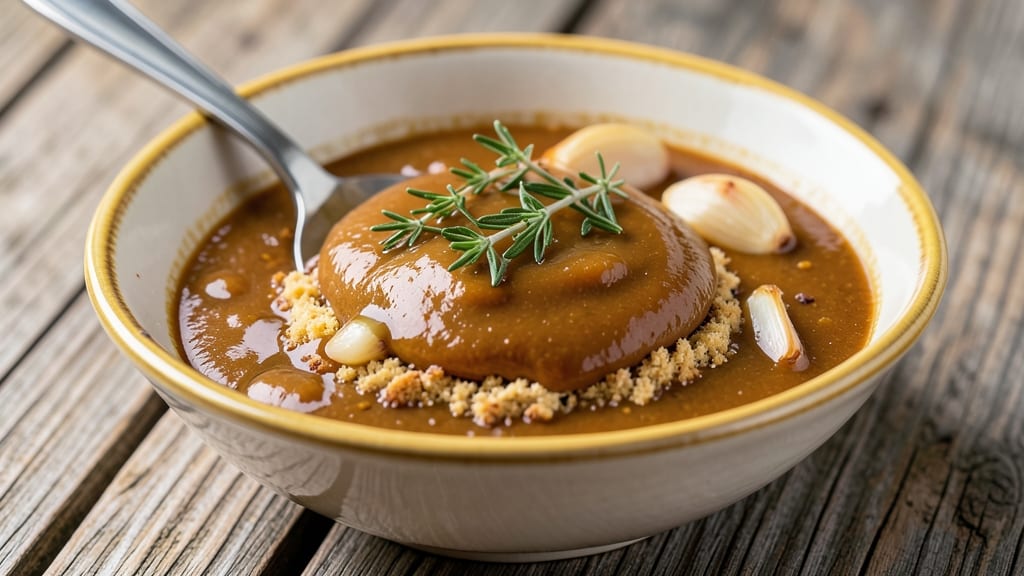
This sweet potato gravy recipe transforms humble ingredients into a velvety, spiced sauce that elevates any meal. 💛 The secret lies in roasting sweet potatoes until tender, then blending them into a smooth base that thickens beautifully with butter and flour—no lumps, just rich, silky perfection.
It’s the kind of gravy that pairs effortlessly with roasted meats, mashed potatoes, or even as a vegan centerpiece when made with plant-based butter.
The process is simpler than it sounds: roast the sweet potatoes until fork-tender, then blend with warm broth until completely smooth. A touch of garlic, thyme, and a pinch of nutmeg deepen the flavor, while butter and flour create that signature velvety texture.
Unlike traditional gravies, this one stays luscious even when reheated, making it ideal for leftovers or meal prep.
What makes this gravy stand out is its warm spice depth—earthy, slightly sweet, and comforting without being heavy. The roasting caramelizes natural sugars, giving it a depth that store-bought sauces can’t match.
Whether you’re serving it alongside Sunday dinner or drizzling it over roasted vegetables, it adds a touch of sophistication with minimal effort.
Best of all, this recipe is versatile—use it as a side for turkey, chicken, or even as a rich dip for crispy fries. The key to success? Patience in roasting and blending until perfectly smooth. Let’s make gravy that tastes like a home-cooked masterpiece.
Ingredients for sweet potato gravy
Roasted sweet potatoes and warm spices create velvety gravy that transforms simple meals into something extraordinary.
| Ingredient | Amount | Notes |
|---|---|---|
| Sweet Potatoes 🍠 | 2 medium | Peeled and cubed evenly |
| Unsalted Butter 🧈 | ⅓ cup | Cold, cubed for even melting |
| All-Purpose Flour 🌾 | ¼ cup | Sifted for smooth texture |
| Vegetable Broth 💧 | 2 cups | Low-sodium preferred |
| Garlic Cloves 🧄 | 2 cloves | Minced for aromatic depth |
| Fresh Thyme 🌿 | 1 tbsp | Leaves only, chopped fine |
| Ground Nutmeg 🌶️ | ¼ tsp | Freshly grated preferred |
| Salt 🧂 | ½ tsp | Adjust to taste |
| Black Pepper 🌶️ | ¼ tsp | Freshly cracked preferred |
| Extra-Virgin Olive Oil 🫒 | 1 tbsp | For drizzling on top |
Sweet potatoes are the foundation here. Orange-fleshed varieties like Jewel or Beauregard work best—their natural sweetness caramelizes beautifully during roasting. Most grocery stores carry them year-round, but check the produce section for firm, smooth-skinned tubers (no soft spots!). For even cooking, cut them into 1-inch cubes and roast at 400°F until fork-tender, about 25-30 minutes. The deeper the color, the more flavor you'll get in your gravy. If you're short on time, microwave them first for 5 minutes to soften before roasting.
No vegetable broth? Chicken broth works fine—just omit the thyme and add a pinch of sage instead. Fresh thyme is ideal, but dried thyme at one-third the amount gets you close. Want more depth? Add a pinch of cinnamon or smoked paprika. The flour should be sifted to avoid lumps, but if you're in a pinch, just whisk it vigorously with the nutmeg first. For a vegan version, use plant-based butter and ensure your broth is vegetable-based. The olive oil drizzle at the end isn't required, but it adds a lovely finish—Trader Joe's or Whole Foods carry excellent extra-virgin options.
This gravy reheats beautifully—just thin with a splash of warm broth or water if needed. Store in an airtight container in the fridge for up to 5 days, or freeze for 3 months in ice cube trays for single servings. The flavor actually improves after the first day as the spices meld. For meal prep, make a double batch—it's perfect over mashed potatoes, roasted chicken, or even as a dip for crispy sweet potato fries. The roasted potatoes can be prepped ahead and refrigerated overnight before roasting, saving you time on cooking day.
Why You'll Love This Recipe
- No-Fuss Pantry Staples: I swear by this recipe because it uses things I already have—no fancy ingredients, just sweet potatoes, butter, and flour. That’s it. Honestly, if I’ve got those basics, I can make this gravy in under 15 minutes, even when I’m too tired to think.
- Velvet-Smooth Magic: The moment the roasted sweet potatoes blend into that warm broth? Pure satisfaction. That natural sweetness from the potatoes balances the richness of the butter, and the garlic? It adds this just-right punch that makes it taste like you spent hours cooking (but you didn’t).
- Leftovers That Save Me: This gravy thickens perfectly for reheating—just add a splash of broth or water, and it’s like it was freshly made. I’ll be real: I’ve had it cold the next day on toast, and it’s still solid. My kids don’t even notice it’s not hot.
- Weeknight Crowd-Pleaser: It’s the star of my lazy dinners—drizzled over mashed potatoes, baked chicken, or even eggs. Between us, I’ve served it at Thanksgiving when I forgot to make the real stuff, and no one complained. (Yes, even on a Tuesday night.)
Step-by-step instructions for sweet potato gravy
Transform humble sweet potatoes into a rich, velvety gravy with warm spice notes.
🍳 Step 1: Roast Sweet Potatoes Until Tender
Preheat your oven to 400°F and line a baking sheet with parchment paper. Arrange the 2 medium peeled and cubed sweet potatoes in a single layer, leaving space between each cube. Drizzle lightly with the 1 tablespoon extra-virgin olive oil and sprinkle with ½ teaspoon salt.
Roast for 25-30 minutes until the cubes are fork-tender with slightly caramelized edges. You'll know they're ready when they collapse easily under gentle pressure and have developed a golden hue. This roasting method extracts maximum flavor and creates a naturally thickened base for your gravy.
👨🍳 Step 2: Build the Gravy Base with Butter and Flour
While the sweet potatoes roast, melt the ⅓ cup unsalted butter in a medium saucepan over medium heat. Once the butter foams and subsides, whisk in the ¼ cup all-purpose flour to create a roux. Cook for 1-2 minutes until the mixture turns a pale golden color—this ensures proper thickening without developing any flour taste.
Here's the thing—don't rush this step. A properly cooked roux forms the foundation of your gravy's texture. If you see the roux darkening, reduce the heat immediately to prevent burning. The moment it smells nutty and looks like wet sand, it's ready for the next addition.
🥘 Step 3: Incorporate Roasted Sweet Potatoes and Aromatics
Add the roasted sweet potatoes to the saucepan along with the 2 cups vegetable broth. Stir well to combine, scraping up any browned bits from the bottom of the pan. Bring the mixture to a gentle simmer over medium-low heat, then add the minced garlic cloves, chopped fresh thyme, ¼ teaspoon ground nutmeg, and ¼ teaspoon black pepper.
Simmer for 10-12 minutes until the mixture thickens noticeably and the sweet potatoes break down completely. You're aiming for a consistency where the gravy coats the back of a spoon but still flows smoothly. Taste and adjust seasoning with additional salt if needed—this is where the warm spice depth comes together.
⏰ Step 4: Blend for Silky Smoothness
Transfer the gravy to a blender or immersion blender. Blend until completely smooth, about 30-45 seconds. This step eliminates any lumps and creates that luxurious velvety texture. If the gravy thickens too much during blending, add 1-2 tablespoons water to reach your desired consistency.
Return the gravy to the saucepan and keep it warm over low heat until ready to serve. The longer it sits, the more the flavors meld together. For best results, serve immediately over mashed potatoes, roasted meats, or as a dipping sauce for crusty bread.
Pro Tips For Making Sweet Potato Gravy
- Roast Until Tender: Sweet potatoes straight from the fridge won’t mash smoothly—roast them first at 400°F (200°C) for 25-30 minutes until fork-tender. This breaks down the starches and makes blending a breeze, plus it deepens that caramelized sweetness in your gravy.
- Melt Butter Slowly: Don’t rush the roux. Cook the butter and flour together over medium-low heat for 2-3 minutes, stirring constantly, until it’s a pale golden color—not brown. I learned this the hard way: burning the butter adds bitterness that fights with the sweet potatoes.
- Strain for Smoothness: After boiling the sweet potatoes, strain the purée through a fine-mesh sieve. Yes, it’s extra work, but it removes skin bits and fibrous strings that turn your gravy into a textured mess. (Your future self will thank you.)
- Simmer, Don’t Boil: Once you’ve added the broth, keep the heat at a gentle simmer—never a rolling boil. This prevents the flour from cooking unevenly and turning your gravy gluey. A steady simmer for 10-12 minutes thickens it just right without breaking the texture.
Common mistakes when making great sweet potato gravy
Over-Roasting Sweet Potatoes
Roasting sweet potatoes until they're too dark or dry is a common mistake that can turn your gravy bitter or grainy. I've seen this happen when people crank the oven to 425°F or leave them in too long. The goal is fork-tender with caramelized edges, not charcoal-black cubes.
For perfect results, check at 25 minutes—they should collapse easily when pierced with a fork. If they're still firm, return to the oven for 5-minute intervals only. 🍠
Skipping the Roux Step
Many home cooks try to thicken gravy by adding flour directly to the liquid, which often creates lumps. The proper technique is making a roux—cooking butter and flour together until golden.
I've ruined gravies by rushing this step, so take your time: cook the ⅓ cup butter and ¼ cup flour for 1-2 minutes until it smells nutty. This creates the velvety texture that separates good gravy from gloppy sauce. Never skip this foundation!
Using Cold Ingredients
Adding cold sweet potatoes or broth directly to your saucepan can cause the butter to seize up and create clumps. Always use warm broth (just heated until steaming) and let roasted sweet potatoes cool slightly before adding them.
I learned this the hard way when my first batch turned into a lumpy mess. For best results, warm your broth in a separate pot while you work on the roux, then add it gradually while whisking constantly. 💧
Over-Blending the Gravy
While blending creates that silky texture, overdoing it can turn your gravy into a paste. I've seen people blend for 2 minutes straight, which makes the gravy too thick to pour. Aim for 30-45 seconds until completely smooth, then check consistency.
If it's too thick after blending, thin with 1 tablespoon water at a time until it reaches that perfect spoon-coating thickness. The goal is velvety, not glue-like!
Ignoring Seasoning Adjustments
Many recipes stop at the initial seasoning, but gravy needs taste adjustments after simmering. The spices meld during cooking, so always taste your gravy after blending and before serving. I often need to add an extra pinch of salt or a dash of nutmeg to bring out the flavors.
Don't be afraid to adjust—this is where homemade gravy shines over store-bought versions. Trust your palate!
Reheating Too Quickly
Microwaving gravy or heating it too aggressively on high heat can make it separate or develop a skin. For best results, reheat over low heat on the stovetop, stirring frequently. If it thickens too much, thin with 1-2 tablespoons warm broth.
I've saved many batches by remembering this simple trick. The key is gentle heat and patience—never rush reheating. ⏰
Nutrition facts
Frequently asked questions
Can I make this sweet potato gravy without roasting?
Yes, but the flavor will be less rich. For a quick version, boil 2 peeled and cubed sweet potatoes in water for 10-12 minutes until tender, then drain before blending. The roasting step caramelizes natural sugars, creating that signature depth—but boiled potatoes still work in a pinch!
What's the best way to make this vegan?
Swap the butter for vegan butter (like Miyoko's) and use vegetable broth. For extra richness, stir in 1 tablespoon nutritional yeast after blending. The flavor stays just as warm and comforting—just check your broth has no chicken base!
How do I fix gravy that's too thick?
Thin with 1 tablespoon warm broth or water at a time, stirring constantly. For a quick fix, whisk in 1 teaspoon cornstarch mixed with 1 tablespoon cold water. Reheat gently after adding—never microwave, or it may separate!
Can I use sweet potato puree instead of roasted cubes?
Just measure 1 cup puree (about 1 medium roasted sweet potato) and blend it directly with your broth and spices. This works especially well if you have leftover mashed sweet potatoes—simply reduce them to puree form first!
What's the secret to making this gravy extra creamy?
Add 2 tablespoons sour cream or Greek yogurt at the end (after blending) for tangy richness. For a dairy-free version, stir in 1 tablespoon coconut milk while reheating. The key is to fold it in gently to maintain that velvety texture!