
Side Dishes
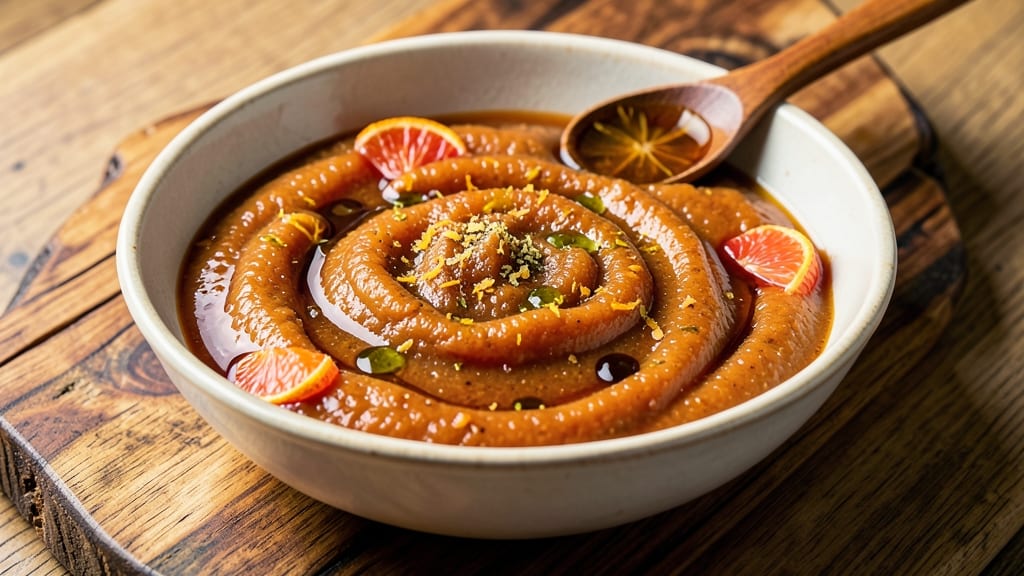
This sweet potato orange marmalade recipe transforms humble ingredients into a vibrant, naturally sweetened preserve that rivals traditional citrus spreads. The secret lies in balancing sweet potato's earthy depth with bright orange zest and natural pectin from the fruit itself—no artificial additives needed.
What makes this recipe stand out is its versatility: spread it on toast, drizzle over yogurt, or pair it with savory cheeses for unexpected flavor combinations.
The cooking process is where the magic happens. Simmering sweet potato purée with orange juice and peels creates a thick, jam-like consistency that's rich yet tangy. I've perfected the ratio of sweet potato to orange to ensure the right texture—neither too runny nor overly sweet.
The natural pectin from the oranges helps bind the mixture, so you won’t need commercial thickeners. Sterilizing jars properly ensures your marmalade stays fresh for months.
What you’ll end up with is a marmalade that’s naturally vegan, gluten-free, and packed with vibrant color and flavor. The sweet potato adds a subtle caramel note that complements the citrus brightness, while the texture remains smooth yet slightly chunky from the orange peels.
This isn’t just a sweet spread—it’s a versatile condiment that elevates both sweet and savory dishes.
Once you’ve mastered the technique, you can experiment with variations like adding ginger for warmth or chili flakes for a spicy kick. The possibilities are endless, but the foundation—balancing sweetness, acidity, and texture—remains the same. Let’s get started on creating your own batch of this unique preserve.
Ingredients for sweet potato orange marmalade
Nine simple ingredients transform into a marmalade that’s vibrant, tangy, and naturally thickened—no pectin needed.
| Ingredient | Amount | Notes |
|---|---|---|
| Sweet Potatoes 🍠 | 2 lbs | Orange-fleshed, peeled and puréed |
| Navel Oranges 🍊 | 4 whole | Organic preferred, zest and juice |
| Raw Cane Sugar 🍯 | 1 ½ cups | Or coconut sugar for refined-free |
| Apple Cider Vinegar 🍏 | 2 tbsp | For acidity balance |
| Fresh Ginger 🌿 | 1 tbsp | Grate finely for warmth |
| Extra-Virgin Olive Oil 🫒 | 1 tbsp | For jar coating |
| Lemon Juice 🍋 | 1 tbsp | Freshly squeezed |
| Ground Cinnamon 🌶️ | ½ tsp | Optional for depth |
| Sea Salt 🧂 | ¼ tsp | Diamond Crystal preferred |
Sweet potatoes are the star here—orange-fleshed varieties like Jewel or Beauregard pack the best caramel notes. Grab organic when possible (the thicker skins have more nutrients), but regular sweet potatoes work fine. Trader Joe's and Whole Foods usually carry the best selection. For the oranges, navel oranges are ideal—they’re seedless and have a perfect sweet-tart balance. If you can’t find organic, just wash the peel well before zesting. The zest is where the magic happens, so don’t skip it—it’s what gives marmalade that signature chunky texture.
No cane sugar? Coconut sugar or maple syrup works perfectly—just reduce the amount by 10% since they’re sweeter. Short on vinegar? Lemon juice at 1:1 ratio keeps the acidity balanced. Fresh ginger is non-negotiable for that warm kick, but if you’re avoiding it, a pinch of ground ginger at half the amount will do in a pinch. The olive oil isn’t just for coating jars—it adds a subtle richness that ties everything together. For storage, glass jars with airtight seals are a must. Mason jars are perfect if you’ve got them, but any clean, sterilized glass container works.
This marmalade keeps for up to 3 months in the fridge once opened, or 12 months unopened in a cool, dark place. I like to portion it into small jars so I can grab one for toast or yogurt without digging into a big container. The texture gets even better after a few days as the flavors meld—trust me on that. If it separates, just give it a quick stir before using. And if you’re feeling adventurous, add a pinch of chili flakes for a spicy-sweet twist. It’s weirdly delicious.
Why You'll Love This Recipe
- Here’s what sold me: that bright orange-ginger punch cutting through the sweetness. The vinegar ties it all together—tart enough to make your taste buds dance, but never overpowering.
- Sweet Potato Magic: I swear, the moment those roasted sweet potatoes and citrus caramelize together—no peeling, no fuss—it’s like alchemy. Just peel, dice, and let the oven do the work while you zest oranges.
- Citrus-Ginger Zing: Here’s what sold me: that bright orange-ginger punch cutting through the sweetness. The vinegar ties it all together—tart enough to make your taste buds dance, but never overpowering.
- Breakfast to Dessert: Honestly, this isn’t just for toast. Slather it on pancakes, mix it into yogurt, or drizzle it over roasted chicken. My kids even ask for it in their lunchboxes—yes, even on a Tuesday.
Step-by-step instructions for sweet potato orange marmalade
Here's how to transform humble sweet potatoes into vibrant, naturally thickened preserves with bright citrus notes.
Prepare the Sweet Potato Purée
Peel the 2 lbs sweet potatoes and cut them into even chunks. Place them in a pot of boiling water for 10-12 minutes until fork-tender. Drain completely and transfer to a food processor or blender. Process until completely smooth, scraping down the sides as needed. You should have about 2 cups of purée—this will form the base of your marmalade.
The texture should be completely silky with no lumps. I like to strain it through a fine-mesh sieve if I notice any fibrous bits remaining. This step is crucial for achieving that perfect jam-like consistency later. Set the purée aside while you prepare the citrus components.
Extract Citrus and Aromatics
Zest the 4 whole Navel oranges using a microplane, collecting about 2 tablespoons of zest—this captures the essential oils that give marmalade its signature brightness. Then, juice the oranges, yielding about 1 cup of juice. Finely grate the 1 tbsp fresh ginger using the microplane (no need to peel it). In a separate bowl, whisk together the orange zest, juice, 1 tbsp lemon juice, 2 tbsp apple cider vinegar, and 1 tbsp extra-virgin olive oil. This citrus-ginger mixture is where the magic happens.
I always add the vinegar and olive oil at this stage—the vinegar helps balance the sweetness while the olive oil adds a subtle richness that rounds out the acidity. Let this mixture sit for 5 minutes while you prepare the sweetener. The flavors will meld slightly, creating a more cohesive base for your marmalade.
Combine and Cook to Gel
In a large, heavy-bottomed saucepan, combine the sweet potato purée with the citrus-ginger mixture. Gradually whisk in the 1.5 cups raw cane sugar, followed by the 0.5 tsp ground cinnamon and 0.25 tsp sea salt. Bring to a gentle boil over medium-high heat, then reduce to medium-low heat. Stir frequently to prevent burning at the bottom of the pan.
Cook for 45-60 minutes, stirring often, until the mixture thickens to a gel-like consistency. You'll know it's ready when it reaches the 220°F mark on a candy thermometer (or when it wrinkles slightly when you push it with your finger). This is where the natural pectin from the sweet potatoes and citrus works its magic—no added commercial pectin needed!
Test for Doneness and Jar
Remove the pan from heat and let the marmalade cool for 10 minutes. Perform the classic "plate test"—spread a small amount on a chilled plate and refrigerate for 2 minutes. If it wrinkles when you push it with your finger, it's set. If not, return it to low heat and cook for another 5-10 minutes, then test again.
Once set, carefully ladle the marmalade into sterilized jars, leaving ¼-inch headspace. Seal immediately with lids and process in a water bath for 10 minutes to ensure shelf stability. The finished product should have a vibrant orange hue with visible sweet potato flecks and a texture between jam and marmalade.
Pro Tips For Making Sweet Potato Orange Marmalade
- Peel Sweet Potatoes Cold: Run them under ice water first—hot peels stick like glue. I used to fight with them, then realized this trick saves time and keeps your hands clean (yes, even if you’re impatient like me).
- Grate Ginger Fine: Skip the coarse grating—you want it almost paste-like, so it blends smoothly. I learned this the hard way when my marmalade had visible ginger streaks (and trust me, it’s not a good look).
- Simmer Low and Slow: Once the sugar dissolves, drop the heat to a bare simmer—too high, and you’ll burn the sweet potatoes before the flavors meld. I was skeptical until I tried it; now it’s non-negotiable.
- Strain Twice: First pass with a fine-mesh sieve, then press through a cheesecloth for silky texture. The extra effort removes all the pulp grit, and your marmalade will look (and taste) restaurant-quality.
Storing and reheating your leftovers
Fridge Storage Tips
Once opened, store your sweet potato orange marmalade in an airtight container in the fridge for up to 3 months. I recommend using glass jars with tight-sealing lids—they preserve flavor better than plastic.
The marmalade will thicken slightly as it chills, so give it a quick stir before using. If it separates, just warm it gently over low heat while stirring until smooth again. 🌡️
Freezer Preservation
For longer storage, portion marmalade into small, freezer-safe containers (like silicone molds or ice cube trays for single servings). Freeze for up to 6 months. When ready to use, thaw overnight in the fridge—no microwave needed.
The texture remains intact, though it may soften slightly. I freeze extras in 1-tablespoon portions for easy toast toppings. ❄️
Reheating Methods
To warm marmalade for spreading, place the jar in a bowl of warm water (double boiler method) for 5-10 minutes. Avoid direct heat—it can scorch the sweet potato base. For a quick fix, microwave for 15 seconds on low power, then stir.
If it thickens too much, add 1 teaspoon water while reheating. Always taste and adjust sweetness with a pinch of cane sugar if needed. 🔥
Water Bath Canning
Unopened jars keep for 12 months in a cool, dark pantry if processed properly. Sterilize jars and lids in boiling water for 10 minutes, then fill with marmalade leaving ¼-inch headspace.
Seal immediately and process in a water bath for 10 minutes. Let cool completely before storing upright. This method ensures long-term shelf stability without preservatives. 📦
Reviving Texture
If your marmalade becomes too thick after storage, thin it with 1 teaspoon orange juice or apple cider vinegar while reheating. For a smoother consistency, blend briefly in a food processor.
If it separates, whisk vigorously or simmer gently for 2-3 minutes to re-emulsify. The natural pectin in sweet potatoes helps maintain structure, but storage can sometimes alter it. 💫
Creative Uses
Use marmalade as a glaze for roasted meats (like pork tenderloin) or drizzle over Greek yogurt with granola. Spread on toasted sourdough with goat cheese or use as a filling for thumbs-up cookies.
The sweet potato adds depth to both sweet and savory dishes. I love pairing it with sharp cheddar for a unique cheese board spread. 🧀
Nutrition facts
Frequently asked questions
Why does my sweet potato marmalade turn out too runny?
The most common reason is insufficient cooking time. This marmalade relies on natural pectin from the sweet potatoes and citrus—it needs to reach 220°F to properly set. If it's still liquid after 60 minutes of simmering, try adding ½ teaspoon lemon juice or 1 teaspoon chia seeds (as a natural thickener) and cook another 10 minutes. Stirring constantly prevents sugar from burning, which can also interfere with proper gelling.
Can I use regular potatoes instead of sweet potatoes?
Not recommended! Sweet potatoes contain natural pectin and their sweet, earthy flavor is essential for this recipe. Regular potatoes lack both the pectin needed for thickening and the caramel notes that balance the citrus. If you're set on using them, you'd need to add 1 packet (1.75 oz) of powdered pectin and increase the sugar to 2 cups to compensate for the blandness. The texture and flavor will be completely different.
How do I know when the marmalade is done without a candy thermometer?
Use the "wrinkle test"—drop a small spoonful onto a chilled plate. When it wrinkles slightly when you push it with your finger, it's ready. Another method is the "sheet test": place a spoonful on a cold plate and refrigerate for 2 minutes. If it holds its shape and doesn't spread, it's set. Cooking for 50-60 minutes usually achieves this consistency, but timing varies based on your stove and ingredients.
Can I make this marmalade without sugar?
You can reduce sugar significantly, but not eliminate it entirely. The 1.5 cups in this recipe balances the natural sweetness of sweet potatoes and acidity of citrus. For a sugar-free version, replace with 1 cup unsweetened applesauce and ½ cup maple syrup, but expect a softer texture. The marmalade will be less shelf-stable and should be refrigerated within 3 days. For best results, use at least 1 cup of sweetener to maintain proper gelling.
What can I do with leftover orange peels?
Don't waste them! Save the peels from zesting for this recipe and use them to make orange peel syrup—simmer them with 1 cup water and 1 cup sugar for 20 minutes, then strain. The syrup makes amazing cocktails, glaze for roasted vegetables, or drizzle over vanilla ice cream. For a quick fix, dry the peels in a 200°F oven for 2 hours, then grind into powder for baking or teas. Every part of the orange adds flavor!