
Side Dishes
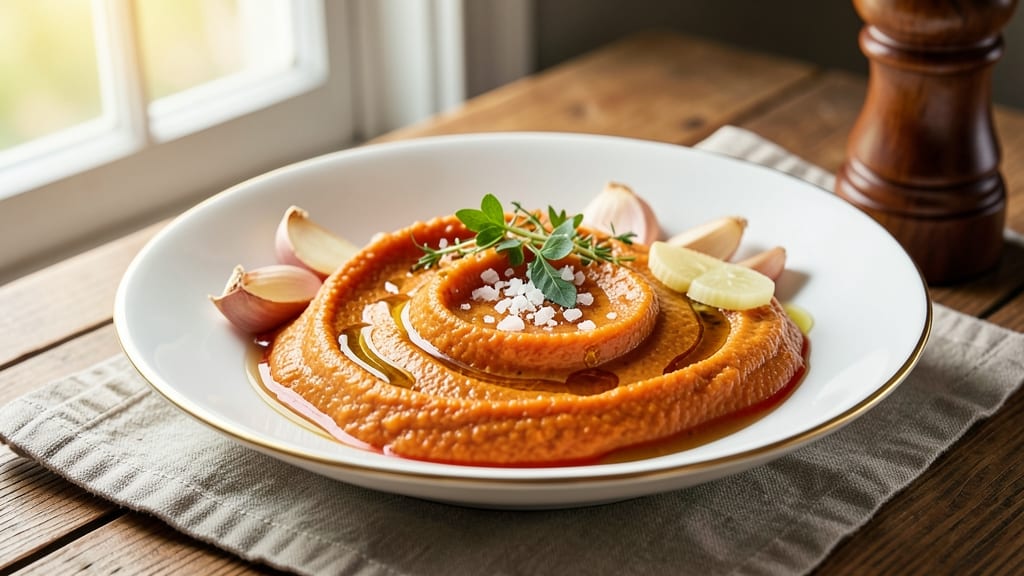
Sweet potato paste transforms humble ingredients into a velvety, ultra-smooth base that elevates soups, sauces, and glazes with natural sweetness and depth. The key lies in slow cooking and blending until silky—no lumps, just pure, versatile flavor that works in everything from curries to dips.
This isn’t just a side; it’s a game-changer for home cooks who want restaurant-quality richness without the effort.
What sets this recipe apart is the balance of texture and flavor: roasting the sweet potatoes first caramelizes their natural sugars, while simmering with aromatics like garlic and ginger builds layers of complexity.
The result is a paste that’s smooth as silk yet packed with earthy, slightly sweet notes—ideal for thickening sauces or adding body to stews without overpowering other ingredients.
Storage is effortless: the paste keeps for up to 3 months in the fridge or 6 months frozen, making it a pantry staple for quick cooking.
Use it as a glaze for roasted meats, a thickener for soups, or even a dip base—its versatility turns a simple ingredient into a professional-grade secret weapon.
Perfect for meal prep, this paste cuts cooking time by half while delivering restaurant-quality depth. Whether you’re whipping up a curry or glazing vegetables, this recipe ensures every bite carries that rich, caramelized sweetness you’d pay extra for at a restaurant.
Ingredients for sweet potato paste
Nine essential ingredients transform roasted sweet potatoes into a velvety, ultra-smooth paste perfect for sauces and soups.
| Ingredient | Amount | Notes |
|---|---|---|
| Orange Sweet Potatoes 🍠 | 2 lbs | Medium-sized, peeled and cubed |
| Extra-Virgin Olive Oil 🫒 | ¼ cup | For roasting and blending |
| Garlic Cloves 🧄 | 6 cloves | Peeled and roughly chopped |
| Fresh Ginger 🌿 | 1 tbsp | Grated, fresh preferred |
| Vegetable Broth 💧 | 1 ½ cups | Low-sodium preferred |
| Salt 🧂 | 1 tsp | Diamond Crystal preferred |
| Ground Black Pepper 🌶️ | ½ tsp | Freshly ground for best flavor |
| Cinnamon 🌶️ | ½ tsp | Ground, for subtle warmth |
| Smoked Paprika 🌶️ | ¼ tsp | For depth and color |
The orange sweet potatoes are the foundation—choose firm, vibrant ones with smooth skins for the best texture. Trader Joe's or Whole Foods carry excellent organic varieties, but any well-stocked grocery store will have suitable options. Peeled and cubed evenly, they roast to a caramelized perfection that forms the base of this paste. The extra-virgin olive oil isn’t just for roasting; it also contributes to the final blend’s luxurious mouthfeel. For the aromatics, fresh ginger and garlic are non-negotiable—they build the complex flavor profile that elevates this from a simple paste to a professional-grade ingredient. Toast the garlic lightly in the olive oil before adding it to the roasting pan to deepen its flavor.
No fresh ginger? Dried ginger at half the amount works in a pinch, though fresh is ideal for brightness. Substituting vegetable broth for water? Use low-sodium to avoid over-salting the final paste. The spices—cinnamon and smoked paprika—are where you can get creative: swap the paprika for a pinch of cayenne if you prefer heat, or add a dash of nutmeg for warmth. For a richer texture, blend in a tablespoon of cashew butter after cooking. The key to a silky finish is patience—roast the sweet potatoes until completely tender, then simmer with broth until they disintegrate before blending. This ensures no lumps remain, giving you that restaurant-quality smoothness.
Store the paste in an airtight container with a thin layer of olive oil on top to preserve freshness. It keeps in the fridge for up to 3 months and freezes beautifully for 6 months, making it a perfect meal prep staple. Portion into ice cube trays for single-use servings—ideal for quick sauces or glazes. The paste thickens as it cools, so reheat gently with a splash of water or broth if needed. Use it as a glaze for roasted meats, a thickener for soups, or even as a dip base—its versatility makes it a pantry essential for home cooks aiming for restaurant-quality depth.
Why You'll Love This Recipe
- No Peel, No Stress: I swear by this trick—just roast those sweet potatoes whole, then scoop out the flesh. The skin stays put, and I’m left with perfectly smooth paste without the mess of peeling or chopping. (Yes, even when I’m bleary-eyed at 9 PM.)
- Umami Bomb: That blend of garlic, ginger, and vegetable broth? It’s like a flavor upgrade for everything. I’ve used it to glaze roasted chicken, stir into curries, and even dolloped on toast—each time, the sweetness of the potatoes plays so well with the savory depth.
- Meal Prep MVP: Between us, this paste is my secret weapon for busy weeks. Make a big batch on Sunday, store it in the fridge, and you’ve got instant flavor for stir-fries, soups, or even as a spread. (My kids still ask for the "orange dip" they "invented.")
- Budget Magic: Sweet potatoes and broth are cheap, but they punch way above their weight. A single batch stretches across three meals—think mashed potatoes on Tuesday, a thickener for Wednesday’s chili, and a glaze for Thursday’s roasted veggies. No waste, all flavor.
Step-by-step instructions for ultra-smooth sweet potato paste
Transform simple ingredients into a velvety, flavorful base perfect for elevating soups and sauces.
Roast Sweet Potatoes Until Caramelized
Preheat your oven to 400°F and line a baking sheet with parchment paper. Spread the 2 lbs peeled and cubed orange sweet potatoes in a single layer, ensuring they don't overlap. Drizzle evenly with the 0.25 cup extra-virgin olive oil and toss gently to coat. This oil will create a crispy exterior while preventing sticking.
Roast for 30-35 minutes, stirring once halfway through, until the edges are deeply caramelized and the cubes are fork-tender. You're aiming for a balance between softness and structure—the cubes should collapse slightly when pressed but maintain their shape. The caramelization here is what gives your paste its rich, nutty depth of flavor. If you see any pieces browning too quickly, rotate the tray for even cooking.
Build Flavor with Aromatics and Broth
While the sweet potatoes roast, heat a large skillet over medium heat. Add the 6 cloves peeled and roughly chopped garlic cloves and 1 tbsp freshly grated ginger, cooking for 2-3 minutes until fragrant but not browned. This step develops their essential oils without burning, which would impart bitterness to your paste. Remove from heat and set aside.
In the same skillet (no need to clean it—the fond adds flavor), pour in the 1.5 cups vegetable broth and scrape up any browned bits from the bottom. Bring to a gentle simmer and let reduce by half, which concentrates the flavor. This aromatic broth will form the liquid foundation of your paste, balancing the sweetness of the roasted sweet potatoes.
Blend to Silky Perfection
Transfer the roasted sweet potatoes to a high-powered blender or food processor. Add the garlic-ginger mixture, reduced broth, 1 tsp salt, 0.5 tsp ground black pepper, 0.5 tsp cinnamon, and 0.25 tsp smoked paprika. The spices should be evenly distributed throughout the sweet potatoes for consistent flavor in every bite.
Blend on high speed, starting slow to avoid splattering, then increasing to high. You'll need to work in batches if your blender can't handle all ingredients at once. Stop occasionally to scrape down the sides with a spatula, ensuring everything gets fully incorporated. The paste should reach a velvety consistency with no visible chunks—this takes 3-5 minutes of continuous blending. If it's too thick, add water 1 tablespoon at a time until smooth.
Refine Texture and Season
Return the blended paste to the skillet and place over low heat. Stir constantly for 5-7 minutes until it thickens slightly and develops a glossy sheen. This step removes any remaining raw starch and enhances the natural sweetness. Taste and adjust seasoning—you may need a pinch more salt or a dash of smoked paprika to balance the flavors.
The paste is now ready to use immediately in soups, stews, or sauces, or you can store it in an airtight container in the refrigerator for up to 5 days. For longer storage, freeze in ice cube trays for easy portioning. This ultra-smooth base transforms simple ingredients into a complex, aromatic foundation that elevates any dish it touches.
Pro Tips For Making Sweet Potato Paste
- Peel After Roasting: Sweet potatoes are stubborn to peel raw—learned that the hard way with a slippery knife. Roast them whole at 400°F (200°C) for 45 minutes first, then slip the skin off with a paring knife while still warm. The flesh will be tender and far easier to handle.
- Toast Ginger Hard: Fresh ginger loses its bite if you’re gentle. For this paste, finely mince it thin (almost like a paste itself) and cook it in olive oil over medium-high heat until it’s dark golden and smells sharp—about 3 minutes. Overcook? It’ll turn bitter. Undercook? You’ll miss the depth.
- Blend in Stages: Dumping everything into the blender at once just clogs it up. Roast the sweet potatoes first, then blend them with broth until completely smooth. Only then add the garlic and ginger—this keeps the motor from straining and ensures a silky texture.
- Salt the Broth Early: If you wait until the end, the paste will taste flat. Add a pinch of salt to the vegetable broth while it heats, even if the recipe doesn’t call for it. The sweet potatoes will absorb the flavor better, and you’ll avoid that “meh” aftertaste. (Yes, even if you’re using low-sodium broth.)
Pro cooking tips for perfect results
Roasting for Depth
Roasting sweet potatoes at 400°F until caramelized unlocks their natural sweetness and creates a rich, nutty base. I always use orange sweet potatoes—their vibrant color indicates higher sugar content, which translates to deeper flavor in your paste.
Toss them in extra-virgin olive oil before roasting to prevent sticking and enhance browning. Stir halfway through for even cooking, and resist the urge to rush—30-35 minutes ensures perfect tenderness without burning. 🔥
Blending Like a Pro
A high-powered blender is non-negotiable for achieving that ultra-smooth texture. Start blending on low to avoid splattering, then increase to high for 3-5 minutes until completely silky. If your paste thickens too much, add water 1 tablespoon at a time—never skip this step, as it prevents graininess.
I use a Ninja BN601 for its powerful motor, but any blender that handles hot liquids works. Scrape down the sides every 30 seconds to ensure even blending. ✨
Low-Heat Refinement
After blending, return the paste to the skillet and simmer on low heat for 5-7 minutes. This step removes excess moisture and intensifies flavors through gentle evaporation. Stir constantly to prevent burning, and taste frequently—this is when you adjust seasoning.
The paste should thicken slightly and develop a glossy sheen, signaling it's ready for use. 💫
Spice Layering
The spices—cinnamon, smoked paprika, and black pepper—are where you can get creative. I recommend toasting the spices in the skillet for 30 seconds before adding them to the blend for extra depth.
For a smoky twist, add ½ tsp chipotle powder instead of smoked paprika. Fresh ginger is non-negotiable, but if you must substitute, use ½ tsp ground ginger—though fresh always wins for brightness. 🌶️
Storage Secrets
Store your paste in an airtight container with a thin layer of olive oil on top to preserve freshness. In the fridge, it keeps for up to 5 days, while freezing extends its shelf life to 6 months.
For easy portioning, freeze in ice cube trays—just pop out a cube as needed for quick sauces or glazes. Reheat gently with a splash of water or broth if it thickens upon thawing. ❄️
Nutrition facts
Frequently asked questions
Can I use regular potatoes instead of sweet potatoes?
No, sweet potatoes are essential for this recipe! Their natural sweetness and creamy texture create the perfect base for a rich, velvety paste. Regular potatoes would lack the depth of flavor and caramelization that makes this paste so special. The orange variety is ideal, but purple sweet potatoes also work beautifully for a different color twist.
How do I adjust the consistency if my paste is too thick?
Simply add water or vegetable broth 1 tablespoon at a time while blending until you reach your desired consistency. Start with small amounts to avoid thinning it too much. For a thicker paste, simmer it longer on low heat to evaporate excess moisture. The key is patience—adjust gradually to maintain that ultra-smooth texture.
What are the best ways to use sweet potato paste?
This versatile paste works wonders in soups, stews, and sauces as a thickener and flavor enhancer. Try it as a glaze for roasted meats, a dip base with Greek yogurt, or a marinade for grilled vegetables. It also adds depth to curries, chili, and even homemade hummus. The possibilities are endless—start with 1-2 tablespoons and adjust to taste.
Can I make this paste without a blender?
While challenging, you can achieve a chunkier version using a food processor or even a potato masher. For the smoothest results, a high-powered blender is ideal. If you don’t have one, simmer the roasted sweet potatoes with broth longer until they break down completely, then mash thoroughly. The texture won’t be as silky, but it’ll still add great flavor to your dishes.
Why does my paste taste bland?
Bland flavor usually means the spices weren’t fully incorporated or the sweet potatoes weren’t caramelized enough. Always toast your spices lightly in the skillet before blending, and ensure the sweet potatoes are deeply roasted. Taste as you go—adjust with a pinch more salt, smoked paprika, or even a dash of soy sauce for umami depth. Fresh ginger is also key for brightness!