
Side Dishes
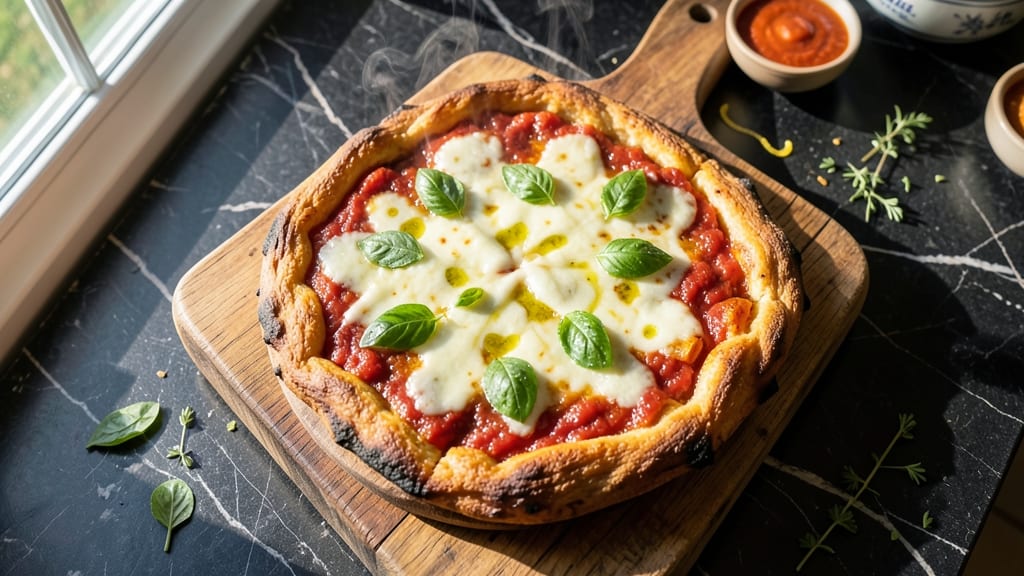
This sweet potato pizza dough recipe transforms humble ingredients into a naturally sweet, fluffy crust that rivals traditional pizza dough—without the gluten or refined flour. The secret lies in blending cooked sweet potatoes with simple pantry staples, creating a dough that bakes up tender yet sturdy enough to hold toppings.
I developed this version after craving something lighter, and it quickly became a staple in my rotation for both savory and sweet applications.
The beauty of this recipe is its versatility—it works as a pizza crust, flatbread, or even a base for breakfast tacos. Sweet potatoes provide natural sweetness and moisture, eliminating the need for added sugar or oil, while the blend of spices (like cinnamon or garlic powder) adds depth.
The dough requires minimal kneading and bakes in under 20 minutes, making it perfect for weeknight meals or entertaining.
What you’ll end up with is a golden-brown, slightly crispy crust with a soft interior, infused with the earthy sweetness of roasted sweet potatoes. The texture is light yet sturdy, holding up to both classic toppings and unexpected combinations.
Whether you’re serving it as a pizza, a flatbread, or even a dessert base, this dough delivers restaurant-quality results with a fraction of the effort.
Pair it with your favorite vegan cheese, roasted vegetables, or a simple tomato sauce for a complete meal. The possibilities are endless, and the process couldn’t be simpler. Let’s get started!
Ingredients for sweet potato pizza dough
Sweet potatoes plus pantry staples make this gluten-free pizza dough naturally sweet and fluffy.
| Ingredient | Amount | Notes |
|---|---|---|
| Medium Sweet Potatoes 🍠 | 2 large | Peeled and cooked until tender |
| All-Purpose Flour 🌾 | 2 cups | Gluten-free blend if needed |
| Active Dry Yeast 🍞 | 1 tbsp | Or 2.25 tsp for accuracy |
| Granulated Sugar 🍯 | ¼ cup | Or maple syrup for vegan |
| Salt 🧂 | 1 tsp | Kosher or sea salt |
| Olive Oil 🫒 | ¼ cup | Extra-virgin preferred |
| Ground Cinnamon 🌿 | 1 tsp | For warm sweetness |
| Garlic Powder 🧄 | ½ tsp | Or fresh minced garlic |
| Nutritional Yeast 🧀 | 2 tbsp | For cheesy flavor boost |
| Water 💧 | ½ cup | Warm for best activation |
| Apple Cider Vinegar 🍎 | 1 tbsp | For tangy depth |
Sweet potatoes are the star here—orange-fleshed varieties like Beauregard work best. I grab mine from Trader Joe's or Whole Foods when they're on sale, but any grocery store usually carries them. Roast them until tender (about 45 minutes at 400°F), then mash them smooth. The texture changes everything—too lumpy and your dough won't hold together. For extra convenience, canned sweet potatoes in water (drained and rinsed) work in a pinch, though fresh is always better.
No yeast? Instant yeast works 1:1, but active dry needs that 10-minute proof. Running short on flour? Oat flour or almond flour can replace up to half, though texture will be slightly denser. Skip the sugar? Maple syrup or agave keeps it vegan while adding moisture. The nutritional yeast is non-negotiable for that cheesy kick—Bob's Red Mill brand is my go-to. For garlic lovers, double the garlic powder or add fresh minced garlic to the dough. Just don't skip the apple cider vinegar—it balances the sweetness beautifully.
This dough keeps like a dream. Wrap leftovers tightly in plastic and store in the fridge for 5 days. For longer storage, freeze portions wrapped in parchment—up to 3 months. Thaw overnight in the fridge before using. Pro tip: Pre-portion the dough before freezing so you can just grab and bake. The dough doubles in size during proofing, so use a 12-inch pan for a classic pizza or divide into four 6-inch rounds for personal pizzas.
Why You'll Love This Recipe
- No Boil, No Fuss: I swear by this dough because it skips the whole boiling sweet potatoes mess. Just roast them until tender—no peeling, no peeling, no peeling—then blend right into the flour. The texture comes out light and airy, like magic.
- Sweet Potato Magic: That natural caramelized sweetness from the roasted potatoes? It’s like a hidden flavor bomb. You’ll taste it in every bite—warm, earthy, and just enough to make even plain tomato sauce feel like a party.
- Pantry Staple Power: Between us, this dough uses things you already own: flour, yeast, sugar. No specialty ingredients, no last-minute grocery runs. I’ve made it for game nights, lazy Sundays, and even as a quick breakfast flatbread when I’m running late.
- Budget-Friendly Flex: A single batch stretches further than store-bought dough, and the sweet potatoes stretch my grocery budget. Leftovers? Toss them in the fridge for 3 days or freeze them—perfect for when you’re too tired to think.
Step-by-step instructions for sweet potato pizza dough
This dough transforms humble sweet potatoes into a naturally sweet, fluffy crust that's perfect for pizza.
Cook and Mash the Sweet Potatoes
Preheat your oven to 400°F and prick the 2 large medium sweet potatoes with a fork. Place them on a baking sheet and roast for 45-50 minutes until fork-tender. You'll know they're done when the skin is crispy and the flesh gives way easily.
Let the sweet potatoes cool slightly, then peel off the skin and transfer the flesh to a mixing bowl. Mash them until completely smooth, with no lumps remaining. The texture should be silky and free of any resistance. This mashed sweet potato will replace some of the traditional flour in your dough, adding natural sweetness and moisture.
Activate the Yeast
In a separate small bowl, combine the 0.5 cup warm water, 1 tbsp active dry yeast, and 0.25 cup granulated sugar. Let this mixture sit for 5-10 minutes until it becomes frothy and bubbly. This indicates the yeast is active and ready to work its magic in your dough.
If the mixture doesn't bubble after 10 minutes, your yeast might be inactive. In that case, start fresh with a new packet of yeast. The warm water should be around 110°F—too hot and you'll kill the yeast, too cool and it won't activate properly.
Mix the Dough Ingredients
Add the mashed sweet potatoes, yeast mixture, 2 tbsp nutritional yeast, 1 tbsp apple cider vinegar, 0.25 cup olive oil, 1 tsp salt, 1 tsp ground cinnamon, and 0.5 tsp garlic powder to the bowl with the sweet potatoes. Mix well to combine all ingredients thoroughly.
Now gradually add the 2 cups all-purpose flour, mixing with a wooden spoon or your hands until a shaggy dough begins to form. The dough will be stickier than traditional pizza dough due to the sweet potato content, but don't be tempted to add extra flour—this can make the crust dense instead of light and fluffy.
Knead and Rise the Dough
Transfer the dough to a lightly floured surface and knead for 5-7 minutes until smooth and elastic. You'll need to work quickly as the sweet potato makes the dough more fragile. The dough should pull away from the surface cleanly when you stretch it gently.
Place the dough in a lightly oiled bowl, cover with a damp towel, and let it rise in a warm place for 1-2 hours or until doubled in size. The warm environment helps the yeast work efficiently. If your kitchen is cool, place the bowl near a warm oven with the light on to maintain a consistent temperature.
Shape and Use Your Dough
Once the dough has risen, punch it down gently to release any air bubbles. Divide it into 4 equal portions (about 8 ounces each) and roll each portion into a 12-inch round or your preferred pizza shape on a floured surface. Keep the remaining dough covered to prevent drying.
Transfer your shaped dough to a parchment-lined baking sheet or pizza stone. Brush the surface lightly with olive oil if desired, then add your favorite toppings. Bake according to your pizza recipe instructions, typically at 475°F for 12-15 minutes until golden brown and crispy. The sweet potato dough will give your pizza a naturally sweet, slightly dense yet tender crust that pairs beautifully with both savory and sweet toppings.
Pro Tips For Making Sweet Potato Pizza Dough
- BOIL THEM RIGHT: Sweet potatoes straight from the fridge? Toss them first. Cut them into even chunks (about 2 inches), then boil in salted water for 15-20 minutes until fork-tender—not mushy. I learned this the hard way: undercooked chunks turn your dough gummy, and overcooked ones make it dense. Aim for a knife sliding in like butter.
- STEAM THE POTATOES: After boiling, drain and spread the sweet potatoes on a baking sheet. Pop them in the oven at 400°F for 10 minutes—this evaporates excess moisture before blending. Skipping this step? Your dough will be sticky, and the yeast will fight you. Trust me, the extra 10 minutes save headaches later.
- COOL THE PUREE: Blend the roasted sweet potatoes until silky, but let it cool completely before mixing with flour and yeast. Hot puree kills yeast faster than a microwave left running. I used to rush this, and my dough would rise sluggishly—or not at all. Patience here means a lighter, fluffier crust.
- WEIGH THE FLOUR: Sweet potato dough is trickier than regular pizza dough because the puree adds moisture. Use a kitchen scale for the flour—300g all-purpose, not scooped. Too much flour makes it tough; too little and it won’t hold shape. I was skeptical until I tried it: the difference in texture is night and day.
Troubleshooting great sweet potato pizza dough
Dough Too Sticky
Sweet potato dough is naturally stickier than traditional pizza dough because of its high moisture content. If your dough feels impossible to handle, resist the urge to add extra flour—this will make the crust dense.
Instead, wet your hands slightly with water and use a dough scraper to gently lift and fold the dough. I find that working on a lightly oiled silicone mat reduces sticking without adding extra flour.
If the dough still resists shaping, let it rest for 10 minutes covered with a damp towel while you prep your toppings. 💫
Yeast Not Activating
If your yeast mixture doesn’t bubble after 10 minutes, your yeast may be old or exposed to cold. Always check the expiration date on your yeast packet—fresh yeast is critical. For a quick fix, try 1 tsp instant yeast instead, which activates faster.
If you’re using active dry yeast, ensure your water is 110°F (test by touching it—it should feel warm but not hot). Pro tip: Store yeast in the freezer to extend its shelf life for up to 6 months.
Dough Doesn’t Rise
A dough that refuses to rise is usually due to temperature issues or inactive yeast. Place your dough in a warm spot—near a turned-off oven with the light on works perfectly.
If your kitchen is chilly, try a proofing box or even a microwave set to low heat with a bowl of hot water nearby. Avoid direct sunlight or drafts, which can also hinder rising.
If all else fails, let the dough rest for 30 minutes before shaping—sometimes it just needs time to relax. 🌡️
Crust Too Dense
Over-kneading or adding too much flour are the usual culprits for a dense crust. Sweet potato dough is delicate, so knead just until smooth (5-7 minutes) and avoid overworking it. If your dough feels too dry, add 1 tbsp olive oil or water as needed.
For extra fluffiness, let the dough rise in a lightly greased bowl with a damp towel over it—this traps moisture and encourages a lighter texture. If the crust still turns out dense, try reducing flour by ¼ cup next time.
Sweet Potatoes Too Watery
If your mashed sweet potatoes are overly wet, your dough will be difficult to handle. To fix this, roast your sweet potatoes slightly longer (50-55 minutes) or pat them dry with a paper towel before mashing.
For extra insurance, strain the mashed sweet potatoes through a fine-mesh sieve to remove excess moisture. I’ve also had success using canned sweet potatoes in water (drained and rinsed) when fresh ones are too wet. Just be sure to mash them thoroughly to avoid lumps. 🍠
Dough Tears When Rolling
Sweet potato dough is more fragile than traditional dough, so handle it gently. If it tears while rolling, don’t panic—simply patch the tears with a bit of dough and continue shaping. To prevent tears, let the dough rest for 10 minutes after kneading before rolling.
Chill the dough for 20 minutes in the fridge if it’s too warm and stretchy. For extra stability, roll the dough between two sheets of parchment paper—this reduces sticking and makes handling easier. A rolling pin with a smooth surface also helps prevent tearing.
Nutrition facts
Frequently asked questions
Can I make this dough without yeast?
Yes! For a quick version, replace the yeast with 1 tsp baking powder and 1 tsp baking soda—this creates a flatbread-style crust. The texture will be denser but still delicious, perfect for 10-minute flatbreads. For best results, reduce the water by 2 tbsp to compensate for the chemical leaveners.
How do I store leftover dough?
Wrap tightly in plastic wrap and refrigerate for up to 5 days, or freeze for 3 months. For freezing, portion into balls first—this lets you grab exactly what you need. Thaw overnight in the fridge before using. Never microwave to thaw, as this can make the dough gummy.
What are the best toppings for sweet potato pizza?
Try vegan mozzarella with roasted veggies for a savory option, or caramelized apples with cinnamon sugar for a sweet twist. The natural sweetness pairs well with spicy toppings like jalapeños or smoked paprika. For a neutral base, keep it simple with olive oil, garlic, and fresh herbs.
Why does my dough smell sweet?
The aroma comes from the mashed sweet potatoes and cinnamon—it's completely normal and part of the recipe's charm! The natural sugars caramelize during baking, creating that delicious sweetness. If you prefer less sweetness, reduce the cinnamon to 0.5 tsp or skip it entirely.
Can I use this dough for breakfast?
Shape into small rounds and bake until golden. Top with scrambled tofu, avocado, and hot sauce for a hearty breakfast pizza. The dough's natural sweetness balances savory toppings perfectly. For extra fluffiness, brush with olive oil before baking.