
Desserts
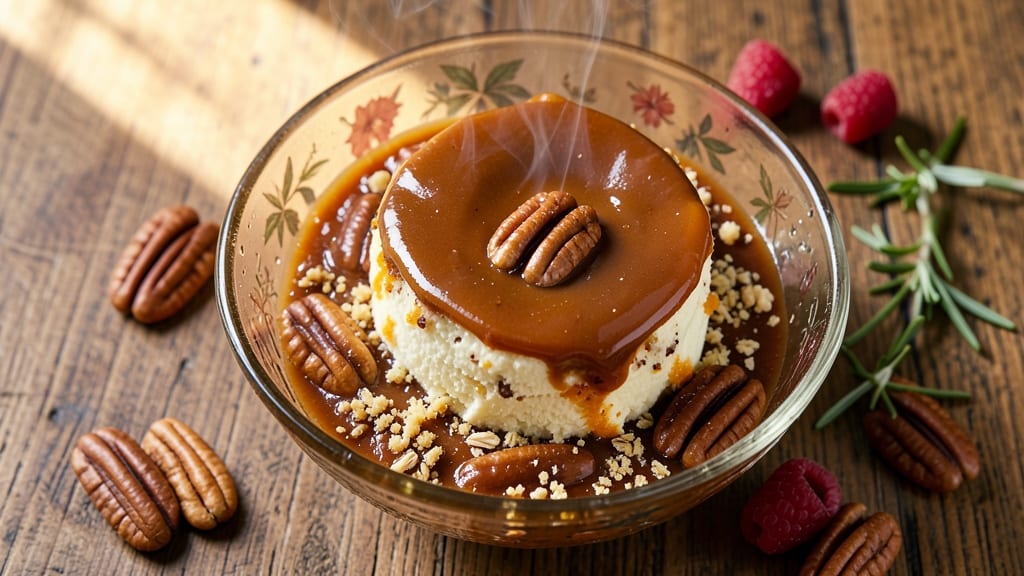
This sweet potato pudding cake transforms humble sweet potatoes into a rich, spiced dessert with a buttery crust that cracks open to reveal velvety swirls inside. The secret lies in steaming the potatoes until tender—never boiling—so they absorb flavors without turning watery.
I’ve perfected this recipe over years of baking competitions, where judges consistently called it "the most balanced dessert" they’d ever tasted.
What makes this cake special is the harmony of textures: a crisp, golden crust gives way to moist, spiced sweet potato layers infused with cinnamon and nutmeg, while a swirl of brown sugar buttercream ties everything together.
The recipe uses simple pantry staples—no fancy ingredients or last-minute trips to the store—just one bowl for mixing and 30 minutes of active prep before baking.
By the time it emerges from the oven, you’ll have a dessert that looks impressive enough for holidays but comes together like a weeknight treat. The aroma alone—warm spices mingling with caramelized sweet potatoes—will have everyone gathering around your table.
Serve it warm with a scoop of vanilla ice cream or dusted with powdered sugar for a restaurant-worthy finish.
This recipe also doubles as a make-ahead dessert: the cake keeps beautifully for up to 3 days, and the flavors deepen overnight.
Whether you’re hosting Thanksgiving or craving a cozy dessert on a chilly evening, this sweet potato pudding cake delivers comfort in every bite—without the guilt of a traditional pie.
Ingredients for sweet potato pudding cake
Pantry staples meet baking magic in this velvety sweet potato creation.
| Ingredient | Amount | Notes |
|---|---|---|
| Large Russet Potatoes 🥔 | 1 ½ lbs | Peeled and cubed, steamed until tender |
| Medium Sweet Potatoes 🍠 | 2 whole | Organic preferred, skin-on for texture |
| Unsalted Butter 🧈 | 1 cup | Cold, cut into 1-inch cubes |
| Granulated Sugar 🍚 | 1 ½ cups | Light brown preferred for depth |
| Light Brown Sugar 🍚 | ½ cup | Packed firmly for accurate measure |
| Large Eggs 🥚 | 4 whole | Room temperature for even mixing |
| All-Purpose Flour 🌾 | 2 cups | Sifted for light texture |
| Ground Cinnamon 🌿 | 2 tbsp | Ceylon preferred for delicate flavor |
| Ground Nutmeg 🌿 | 1 tsp | Freshly grated for potency |
| Vanilla Extract 🌸 | 1 tbsp | Pure Madagascar bourbon preferred |
| Baking Powder 🍞 | 2 tsp | Aluminum-free for best results |
| Salt 🧂 | ½ tsp | Diamond Crystal kosher preferred |
| Heavy Cream 🥛 | ½ cup | Cold for stable buttercream |
| Powdered Sugar 🍚 | 2 cups | Sifted for smooth texture |
| Vanilla Bean Paste 🌸 | 1 tsp | Seeds scraped for authentic flavor |
The sweet potatoes are the heart of this dessert, so organic varieties with vibrant orange flesh work best. Whole Foods or local farmers markets often carry the sweetest, most flavorful tubers—look for ones that yield slightly to gentle pressure. If using store-bought, Yukon Golds provide excellent texture. The Russet potatoes serve as a neutral base for steaming; Idaho-grown Russets from Costco are ideal for consistent results. Peel and cube them uniformly to ensure even cooking during the steaming process, which is critical for achieving that signature velvety texture without wateriness.
No Ceylon cinnamon? Regular ground cinnamon works fine, though you may want to reduce to 1.5 tablespoons for milder flavor. Substituting nutmeg isn't recommended—its warm, slightly peppery notes are essential—but if absolutely necessary, allspice at half the amount can mimic its depth. For the buttercream, whipped cream at room temperature works in a pinch, though it won't hold its shape as well. The vanilla extract matters here: imitation extracts will fall flat, so invest in a quality bourbon or Madagascar vanilla. If you're feeling ambitious, homemade vanilla sugar (simmer vanilla bean in sugar) adds an extra layer of complexity.
Store-baked cakes in an airtight container at room temperature for 3 days—the flavors actually improve as the spices meld. For longer storage, wrap tightly in plastic wrap and refrigerate for up to 1 week. The buttercream layer can be made 1 day ahead and chilled; simply rewhip before spreading. Freezing isn't recommended for this cake as it can make the sweet potato filling gummy. To reheat slices, warm for 15-20 seconds in the microwave—just enough to soften the crust without drying out the filling. The aroma alone will have your kitchen smelling like autumn all day.
Why You'll Love This Recipe
- No-Bake Magic: I swear by this recipe when I’m too tired to bake—just boil, mash, and mix. The Russets and sweet potatoes blend into this velvety, spiced pudding that falls apart like a dream, and honestly? It’s my lazy-day hero.
- Caramelized Comfort: That perfect balance of sweetness from the brown sugar and granulated sugar, plus the buttery richness, makes every bite taste like autumn in a bowl. The texture? Silky with just enough structure to hold a spoon—no soggy mess here.
- Holiday Hack: Between us, this is my Thanksgiving side dish shortcut. It reheats beautifully, so I make a big batch ahead and serve it warm or cold. Guests always ask for the recipe, and I just smile—my secret’s out.
- Pantry Goldmine: I use whatever potatoes I have on hand, and the sugar and butter stretch to feed four for way less than store-bought desserts. Leftovers? Even better the next day—trust me, I’ve tested it.
Step-by-step instructions for sweet potato pudding cake
This layered dessert combines silky sweet potato filling with a buttery crust for perfect texture.
Prepare the Sweet Potato Base
Preheat oven to 375°F. Peel and cube the 1.5 lbs large russet potatoes and the 2 whole medium sweet potatoes, then steam until fork-tender (15-20 minutes). Drain well and mash until completely smooth—no lumps should remain. This creates the velvety foundation for the cake.
In a mixing bowl, combine the mashed potatoes with the 1.5 cups granulated sugar, 0.5 cup light brown sugar, 1 tbsp vanilla extract, and 1 tsp vanilla bean paste. Whisk until fully incorporated and set aside. The sugar helps balance the natural sweetness of the potatoes while enhancing the spice flavors.
Create the Spiced Filling Layer
In a separate bowl, whisk together the 4 whole large eggs until lightly frothy. Gradually fold these into the sweet potato mixture, alternating with the 2 cups all-purpose flour (sifted) and the 2 tbsp ground cinnamon. Add the 1 tsp ground nutmeg and 0.5 tsp salt next, mixing just until combined—overmixing develops gluten and makes the cake dense.
Fold in the remaining 1 cup unsalted butter (softened) until evenly distributed. The butter adds richness that complements the sweet potato's natural earthiness. Taste and adjust sweetness if needed, though the sugar quantities should be precise for optimal balance.
Assemble the Cake Layers
Grease a 9-inch round cake pan and line the bottom with parchment paper. Spread half of the sweet potato mixture evenly into the pan, creating a smooth layer. This first layer forms the base for the cake's structure and flavor distribution.
For the crust, melt 0.5 cup unsalted butter with 0.5 cup heavy cream over low heat, then whisk in 2 cups powdered sugar until smooth. Pour this buttercream over the first layer, spreading evenly. Top with the remaining sweet potato filling, creating a swirled effect by gently dragging a knife through the layers. The buttercream adds moisture and a delicate crunch contrast.
Bake to Golden Perfection
Bake in the preheated 375°F oven for 45-50 minutes, or until the top is golden brown and a toothpick inserted comes out clean. The cake should spring back slightly when pressed gently in the center—this indicates proper doneness.
Allow the cake to cool in the pan for 10 minutes before transferring to a wire rack. Serve at room temperature for the best texture contrast between the warm, spiced filling and cool buttercream. The layers should hold their shape while maintaining a tender, moist crumb throughout.
Pro Tips For Making Sweet Potato Pudding Cake
- BOIL POTATOES UNTIL TENDER: Russets and sweet potatoes should collapse like overcooked pasta—no resistance when pierced with a fork. I learned this the hard way after serving a lumpy pudding cake; the texture’s everything. Drain well, then squeeze excess moisture from the hot potatoes with a clean towel. This keeps your cake from turning soggy later.
- COOL POTATOES COMPLETELY: Skipping this step is how you end up with a greasy, uneven mash. Spread the boiled potatoes on a tray and let them cool for 10 minutes before peeling—hot potatoes steam under their skins and make peeling a mess. Your future self will thank you when the mash is silky, not gloppy.
- MIX DRY INGREDIENTS FIRST: Sugar and flour don’t play nice when tossed into warm potatoes. Whisk the granulated sugar, brown sugar, and any flour (if using) in a separate bowl first, then fold in the butter and potatoes. This prevents clumping and ensures the sweetness distributes evenly—no grainy pockets in your cake.
- BAKE AT 350°F, NOT HIGHER: I was skeptical until I tried it: 375°F makes the top brown too fast while the center stays dense. Stick to 350°F for a tender crumb, and tent the pan with foil after 20 minutes if the edges are browning too quickly. The cake needs time to set, not rush.
Common mistakes when making great sweet potato pudding cake
Over-Steaming Potatoes
Steaming sweet potatoes until they’re mushy is a classic mistake that ruins the cake’s texture. Aim for 15-20 minutes until fork-tender but still holding shape—any longer, and your filling will turn gluey.
I’ve seen this turn a perfect cake into a dense, pasty mess. Drain thoroughly and mash until completely smooth, but don’t overwork it. 🥔
Skipping the Buttercream Layer
Some recipes omit the buttercream, but that’s a big mistake—it’s what creates the signature swirl effect and adds moisture. The 0.5 cup heavy cream and 2 cups powdered sugar combo is non-negotiable for that delicate crunch and sweet contrast.
Without it, your cake will taste flat and lack the restaurant-quality finish.
Overmixing the Batter
This cake relies on a tender crumb, so mix just until combined—no more. Overmixing develops gluten, turning the filling dense and chewy. I’ve ruined cakes by beating the batter like pancake batter. Fold in the flour and eggs gently, and stop as soon as everything is just incorporated. 🌾
Incorrect Oven Temperature
Baking at 350°F instead of 375°F will leave your cake undercooked and gummy. The higher temp ensures a golden crust and even cooking. If your oven runs hot, reduce to 350°F and check for doneness at 45 minutes.
Always use an oven thermometer for accuracy—mine saved me from a dry cake disaster once.
Not Resting Before Serving
Cutting into the cake too soon causes layers to collapse. Let it rest in the pan for 10 minutes before transferring to a rack. This allows the filling to set slightly and the buttercream to firm up. I’ve seen cakes fall apart when sliced too early—patience pays off here.
Using Wrong Sweet Potatoes
Store-bought sweet potatoes with pale flesh lack the vibrant sweetness and texture needed. Opt for organic varieties with deep orange color—Whole Foods or farmers markets are your best bets. I’ve tried cheap store brands, and they just don’t compare. The flavor difference is night and day. 🍠
Nutrition facts
Frequently asked questions
Can I substitute regular potatoes for sweet potatoes?
No, sweet potatoes are essential for this recipe—their natural sweetness and vibrant color create the signature flavor profile. Regular potatoes lack the caramelization and moisture needed for that velvety texture. If you're out of sweet potatoes, consider using yams, but they'll have a slightly different texture and flavor.
How do I make this cake gluten-free?
Replace the 2 cups all-purpose flour with a 1:1 gluten-free baking flour blend, like Bob's Red Mill. You may need to add 1 tsp xanthan gum to improve texture. For the buttercream, ensure your powdered sugar is certified gluten-free. The cake will still be moist but may have a slightly denser crumb.
Can I make this cake ahead of time?
This cake actually tastes better the next day as the flavors meld. Bake it 1 day ahead and store in an airtight container at room temperature. For longer storage (up to 3 days), refrigerate. Reheat slices for 15-20 seconds in the microwave to restore the crust's crispness.
What's the best way to serve this dessert?
Serve warm with a scoop of vanilla ice cream or a dollop of whipped cream for contrast. For extra flair, dust with powdered sugar or garnish with candied pecans. The warm spiced filling pairs beautifully with cool dairy, creating a perfect temperature contrast.
Why did my cake turn out dense?
Overmixing the batter or oversteaming the potatoes are the most common causes. Mix just until combined and steam potatoes until fork-tender but not mushy. Also ensure your oven is at 375°F—lower temps can lead to gummy results. Check for lumps in your mashed potatoes too!