
Desserts
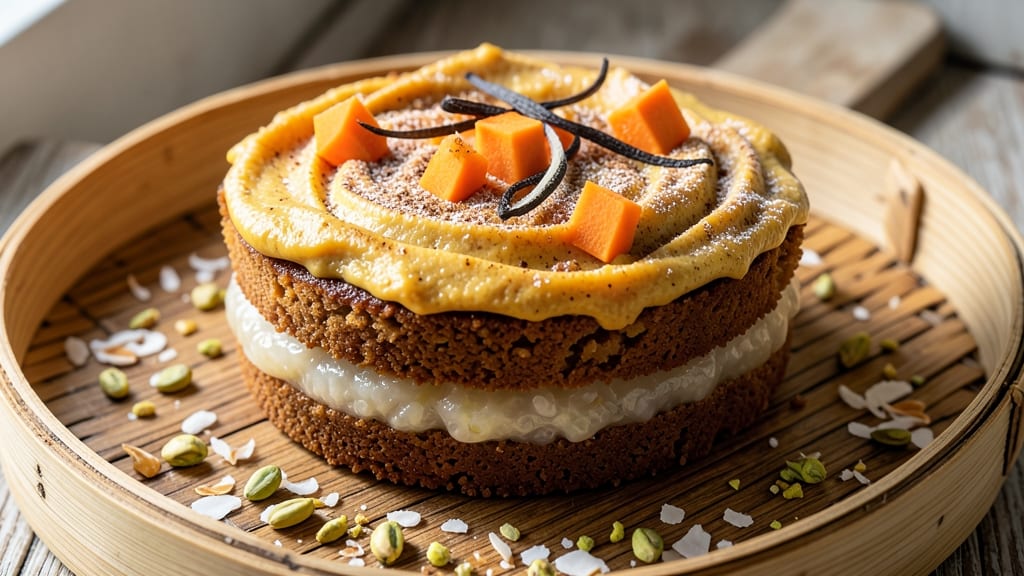
This sweet potato rice cake delivers a perfect balance of chewy texture and warm spice notes that feel like a hug in dessert form. 💛 The secret lies in blending perfectly cooked sweet potatoes with glutinous rice flour, creating a cake that's both silky and slightly resistant to the bite—ideal for vegan diets or anyone craving a naturally sweet, spice-infused treat.
The recipe starts with roasting sweet potatoes until tender and caramelized, then blending them into a smooth purée. Mixed with rice flour, sugar, and a pinch of cinnamon or cardamom, the batter transforms into a cake with layers of flavor—earthy sweetness from the potatoes, subtle warmth from the spices, and a delicate chew from the rice.
Baking at low heat ensures even cooking without drying out.
What makes this stand out is its versatility—serve it warm with a dusting of powdered sugar for a bakery-style finish, or chill it for a firmer texture.
The cake's natural sweetness pairs beautifully with tea or coffee, while optional toppings like toasted coconut flakes or a drizzle of maple syrup add extra dimension. It’s the kind of dessert that feels both comforting and sophisticated.
Perfect for breakfast, brunch, or a light afternoon treat, this recipe proves you don’t need butter or eggs to create something extraordinary. The process is straightforward, but the result is anything but ordinary—rich, aromatic, and utterly satisfying. Let’s get baking!
Ingredients for sweet potato rice cake
Six simple ingredients create this vegan sweet potato rice cake with comforting spice and silky texture.
| Ingredient | Amount | Notes |
|---|---|---|
| Sweet Potatoes 🍠 | 2 lbs | Organic, skin-on, medium size |
| Glutinous Rice Flour 🍚 | 2 cups | Also called sweet rice flour |
| Coconut Sugar 🌿 | ¾ cup | Lightly packed for sweetness |
| Cinnamon 🌶️ | 1 tsp | Ground, Ceylon preferred |
| Cardamom 🌿 | ½ tsp | Ground, optional for depth |
| Vanilla Extract 🍯 | 1 tbsp | Pure, alcohol-free preferred |
| Coconut Oil 🥥 | ½ cup | Melted, refined or virgin |
| Plant-Based Milk 🥛 | ½ cup | Almond or oat works best |
| Baking Powder 🧂 | 1 tsp | Aluminum-free for vegan |
| Salt 🧂 | ¼ tsp | Fine sea salt preferred |
| Powdered Sugar 🍚 | ¼ cup | For dusting, optional |
| Toasted Coconut Flakes 🥥 | ¼ cup | For topping, optional |
The sweet potatoes are the heart of this recipe—look for organic with vibrant orange flesh at Whole Foods or your local market. Medium-sized potatoes work best; avoid those with soft spots. Roasting them until tender and caramelized (about 45-50 minutes) brings out their natural sweetness. For extra flavor, rub the skins with a little coconut oil before roasting. Glutinous rice flour is key for that signature chewy texture—Bob's Red Mill is a reliable brand, or check the Asian aisle for sweet rice flour. If you can't find it, regular rice flour will work in a pinch, though the texture will be slightly less chewy.
No coconut sugar? Brown sugar or maple syrup are good substitutes—reduce the amount by 15% since they're more concentrated. Cardamom can be tricky to find, but if you're missing it, double the cinnamon for warmth. For the coconut oil, avocado oil or melted vegan butter work too, though coconut adds that lovely tropical note. The plant-based milk adds moisture; if you're using a thicker variety like coconut milk, thin it slightly with water. Baking powder is essential for lift—double-check it's aluminum-free if you're using a vegan brand. For the optional toppings, toast your coconut flakes in a dry pan for 2-3 minutes until golden and fragrant.
Roasted sweet potatoes keep well in the fridge for 5 days if stored in an airtight container. The cake batter can be prepped a day ahead and refrigerated, but bring it to room temperature before baking. Once baked, these cakes stay fresh for 3 days at room temperature or 1 week in the fridge. For longer storage, freeze the baked cakes for up to 3 months—wrap them individually in plastic wrap and place in a freezer bag. To serve, simply reheat in a 350°F oven for 5-10 minutes or microwave for 20-30 seconds. The warm cakes are especially comforting with a dusting of powdered sugar and a cup of chai.
Why You'll Love This Recipe
- No-Bake Wonder: I swear, this comes together with just a microwave and a bowl—no oven, no fuss. Roast the sweet potatoes while you mix the batter, and suddenly you’ve got a dessert that feels fancy but took zero effort.
- Warm Spice Magic: That cinnamon-cardamom combo? It’s like autumn in every bite—sweet but not cloying, with a cozy kick. The coconut sugar caramelizes just enough to make your kitchen smell like a bakery, even if you’re just standing there stirring.
- Breakfast to Dessert: Honestly, I make these for my kids’ lunches one day and sneaky snack on the leftovers cold the next. They’re sturdy enough for a picnic but still feel special enough to serve at a brunch. (Yes, even on a Tuesday night.)
- Pantry Staple Hack: Between us, this recipe uses stuff you probably already have—no weird ingredients, no last-minute store runs. A few sweet potatoes, a bag of rice flour, and spices you’ve had for months. Budget-friendly? More like pocket-friendly.
Step-by-step instructions for sweet potato rice cake
Transform simple ingredients into a moist, spiced rice cake with this straightforward method.
👨🍳 Step 1: Prepare and Steam the Sweet Potatoes
Preheat your oven to 400°F and line a baking sheet with parchment paper. Pierce the 2 lbs sweet potatoes all over with a fork, then place them directly on the baking sheet. Roast for 45-50 minutes until tender when pierced with a knife—you should see steam escape easily.
While the potatoes roast, prepare a steamer basket. Once the sweet potatoes are done, peel off the skins and place the flesh directly into the steamer. Cover and steam for 10 minutes until completely soft. This steaming step ensures a silky texture in your rice cake. Transfer the steamed sweet potatoes to a bowl and mash until completely smooth—no lumps should remain.
🍳 Step 2: Mix Wet Ingredients for Perfect Texture
In a separate bowl, whisk together the 0.5 cup melted coconut oil, 0.5 cup plant-based milk, 0.75 cup coconut sugar, 1 tbsp vanilla extract, 1 tsp cinnamon, and 0.5 tsp cardamom. The mixture should be smooth and slightly thick—this is your flavor base. I like to warm the plant-based milk slightly first to help the coconut sugar dissolve completely and prevent graininess.
Gradually add the mashed sweet potatoes to the wet mixture while whisking continuously. This step is crucial for even distribution of flavors and texture. The batter should be thick but pourable—similar to pancake batter consistency. If it's too thick, add 1-2 tablespoons of plant-based milk to reach the ideal consistency.
🥘 Step 3: Combine Dry Ingredients Gently
In a large mixing bowl, sift together the 2 cups glutinous rice flour, 1 tsp baking powder, and 0.25 tsp salt. Create a well in the center and pour in the sweet potato mixture. Using a spatula, gently fold everything together just until combined—you should still see some flour streaks. Overmixing develops gluten and can make the cake dense.
This is where the magic happens: the glutinous rice flour gives these cakes their signature chewy texture. Fold in the 0.25 cup toasted coconut flakes last, reserving a small amount for topping. The heat from the coconut flakes will infuse subtle nutty notes into the batter. Let the batter rest for 10 minutes at room temperature—this allows the flour to fully hydrate.
🔥 Step 4: Bake in Silicone Molds for Perfect Shape
Preheat your oven to 350°F. Lightly grease six 4-inch round silicone cake molds or line them with parchment paper. Divide the batter evenly among the molds, filling each about ¾ full. Sprinkle the reserved toasted coconut flakes evenly over each cake. Bake for 20-25 minutes until the edges are golden brown and a toothpick inserted comes out clean.
Here's the thing—don't overbake. These cakes are delicate and will continue cooking slightly as they cool. The moment the edges turn golden and the center feels set is perfect. For best results, bake one tray at a time to maintain even oven temperature. When done, let the cakes cool in the molds for 5 minutes, then transfer to a wire rack to cool completely.
⏰ Step 5: Dust and Serve Warm
Once completely cooled, dust the top of each rice cake generously with 0.25 cup powdered sugar using a fine-mesh sieve. This creates that signature sweet finish and prevents sticking. Serve warm for the best texture—these cakes are best enjoyed within 2 hours of baking when they're still tender.
Each slice should reveal a moist, spiced interior with a delicate coconut crust. The sweet potatoes provide natural sweetness that pairs beautifully with the warm cinnamon and cardamom. For extra indulgence, serve with a drizzle of coconut cream or a sprinkle of additional toasted coconut flakes. Store leftovers in an airtight container for up to 3 days, though they're best enjoyed fresh.
Pro Tips For Making Sweet Potato Rice Cake
- Boil Sweet Potatoes Till Fork-Tender: I learned this the hard way—undercooked sweet potatoes turn your rice cakes into a gummy mess. Test doneness by piercing with a fork: it should slide in like butter, not fight you. No one wants to bite into a raw center in what’s supposed to be a tender, spiced cake.
- Toast Glutinous Rice Flour: This isn’t just a step—it’s the thing that matters most for texture. Heat your flour in a dry pan over medium-low for 3–4 minutes, stirring constantly, until it smells nutty and golden. Cold flour makes dense, heavy cakes; toasted flour gives that light, almost airy crumb you’re after.
- Mix Wet and Dry Ingredients Separately: I used to dump everything in one bowl and wonder why my batter was lumpy. Whisk the coconut sugar, cinnamon, and cardamom into the mashed sweet potatoes first, then fold in the toasted flour last. This keeps the spices evenly distributed and prevents clumps—no one wants a surprise spice pocket.
- Steam, Don’t Boil the Batter: Pour the batter into greased molds, then steam over simmering water for 20–25 minutes—no peeking! Boiling the batter (yes, I’ve done it) makes the edges rubbery. A tight lid and gentle steam guarantee a soft, pillowy center that holds together when you cut into it.
Regional styles of this dish
Japanese Okowa Mochi
The Japanese version of this rice cake, called okowa mochi, replaces sweet potatoes with glutinous rice flour and sugar for a firmer, chewier texture. Traditional recipes use matcha powder instead of cinnamon, creating an earthy, vibrant green cake.
I’ve adapted this by blending 1 tbsp matcha into the wet ingredients for a subtle, grassy depth. For an authentic touch, serve with red bean paste on top—a classic pairing that balances sweetness with umami. 🌿
Thai-Inspired Sweet Potato Cake
Thai cuisine loves sweet potatoes, so I’ve incorporated pandan leaves (or extract) for a fragrant, slightly floral note. Replace the cinnamon with 1 tsp ground pandan and add ½ tsp turmeric for a golden hue and earthy warmth.
Top with crushed peanuts and a drizzle of palm sugar syrup (or honey) for a tropical twist. This version is lighter and often served as a breakfast cake with strong Thai coffee. 🌺
Mexican Cinnamon-Spiced Version
For a Latin American flair, swap the cardamom for ½ tsp ground cumin and ½ tsp chili powder to add a smoky depth. Fold in ½ cup diced candied jicama or dried mango for texture and sweetness.
Serve warm with a sprinkle of tajín for a tangy-sweet finish. This version works beautifully as a dessert after chili or with a cup of Mexican hot chocolate. 🌶️
Indian Cardamom-Saffron Twist
Inspired by Indian sweets, this variation adds ¼ tsp saffron threads steeped in 2 tbsp warm milk to the wet ingredients. Replace coconut sugar with ½ cup jaggery for a caramelized richness. Fold in 1 tbsp chopped pistachios and finish with a dusting of rosewater powder.
Serve with chai tea for a cozy, aromatic experience. The saffron adds a luxurious golden color and floral aroma. 💛
Modern Matcha-Coconut Fusion
This trendy take combines 1 tbsp matcha with 1 tsp coconut extract in the wet ingredients for a vibrant, nutty flavor. Use white chocolate chips (vegan) for pockets of creamy sweetness. Top with toasted coconut flakes and a drizzle of coconut caramel.
Perfect for brunch or dessert, this version feels like a cross between a rice cake and a mochi. The matcha gives it a clean, slightly bitter edge that balances the coconut’s richness. ✨
Nutrition facts
Frequently asked questions
Why does my sweet potato rice cake turn out dense instead of chewy?
Overmixing the batter develops gluten in the glutinous rice flour, which makes the cake dense. Stop folding when you still see flour streaks, and avoid using regular rice flour—it lacks the chewy properties. Also, ensure your sweet potatoes are fully steamed until silky smooth, as any lumps can create a heavier texture.
Can I make this recipe without glutinous rice flour?
You can substitute with regular rice flour, but the texture will be less chewy and more crumbly. For a closer match, mix 1.5 cups regular rice flour + 0.5 cups all-purpose flour. The sweet potato purée still provides moisture, but the chewiness will be reduced. If you want a firmer texture, try using 100% cake flour instead.
How do I store these rice cakes for longer freshness?
For up to 3 days, keep them in an airtight container at room temperature. For longer storage, freeze individual cakes in plastic wrap for up to 3 months. To reheat, warm in a 350°F oven for 5-10 minutes or microwave for 20-30 seconds. The texture will be slightly drier after freezing, but still delicious when warmed.
What’s the best way to adjust sweetness for kids?
Reduce the coconut sugar to 0.5 cup and add 1-2 tbsp maple syrup to the wet ingredients. You can also fold in ¼ cup mini chocolate chips (vegan) or dried fruit like raisins for extra sweetness without altering the batter’s consistency. Always taste the batter before baking—adjustments can be made at this stage.
Can I make these rice cakes gluten-free?
Yes! Replace the glutinous rice flour with a 1:1 gluten-free rice flour blend (like Bob’s Red Mill). For chewiness, add 1 tbsp xanthan gum to the dry ingredients. The texture will be slightly different but still moist. Ensure all other ingredients (like baking powder) are certified gluten-free to avoid cross-contamination.