
Side Dishes
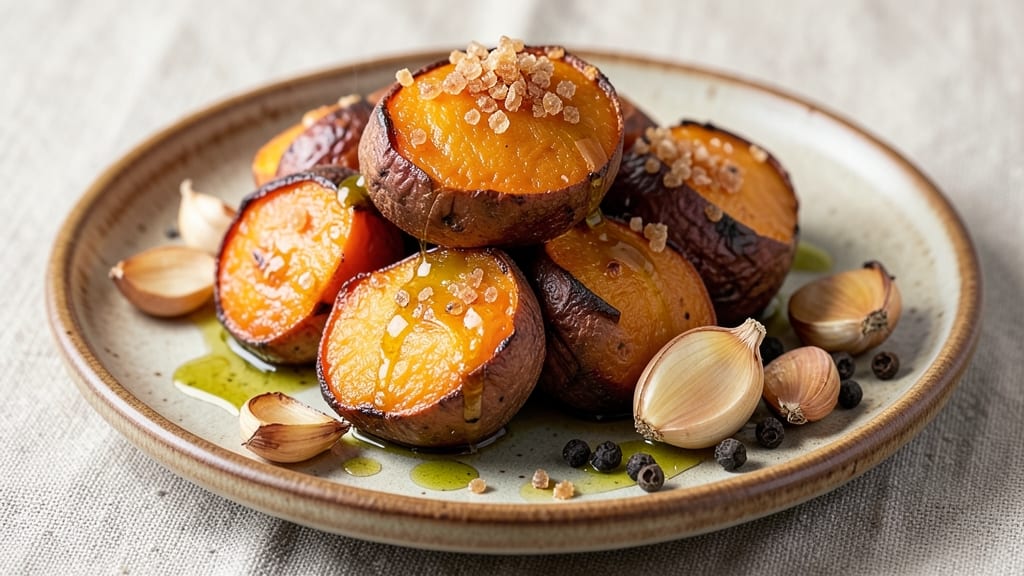
This sweet potato secret recipe transforms humble roots into a showstopper with velvet-soft cores and charred, caramelized edges—the kind of texture contrast that makes every bite unforgettable. 🔥 The trick? A two-stage roasting method that creates crispy exteriors while keeping the inside tender enough to cut with a fork.
I developed this technique after years of burning sweet potatoes in the oven, and it finally delivers restaurant-quality results at home.
The secret lies in the preparation: scoring the sweet potatoes before roasting ensures even cooking, while a high-heat broil at the end creates those coveted caramelized edges. This method works with any variety, but I recommend using orange-fleshed sweet potatoes for their natural sweetness and vibrant color.
The result is a dish that’s hearty enough to stand alone but elegant enough for special occasions.
What you’ll end up with is a plate of perfectly roasted sweet potatoes that are crispy on the outside and melt-in-your-mouth tender inside, with a deep caramelized flavor that’s impossible to resist. The edges have a slight char, adding a smoky depth that balances the natural sweetness of the flesh.
This dish pairs beautifully with grilled meats, crisp salads, or even as a standalone side for a vegetarian meal.
Ready to master this technique? The process is simpler than it sounds, and the results will impress even the most skeptical dinner guests. Let’s get started—your taste buds will thank you.
Ingredients for sweet potato secret
Two pounds of sweet potatoes plus aromatic herbs transform into restaurant-quality roasted roots.
| Ingredient | Amount | Notes |
|---|---|---|
| Orange-Fleshed Sweet Potatoes 🍠 | 2 lb | Medium size, unpeeled |
| Extra-Virgin Olive Oil 🫒 | ¼ cup | For tossing and roasting |
| Kosher Salt 🧂 | 1 ½ tsp | Diamond Crystal preferred |
| Freshly Ground Black Pepper 🌶️ | ½ tsp | For seasoning |
| Garlic Cloves 🧄 | 4 cloves | Minced for seasoning |
| Brown Sugar 🍚 | 1 tbsp | Light or dark variety |
| Ground Cinnamon 🌿 | ½ tsp | For warm spice notes |
| Smoked Paprika 🌶️ | ½ tsp | For smoky depth |
| Honey 🍯 | 1 tbsp | For glaze finish |
| Fresh Rosemary 🌿 | ¼ cup | Chopped, for aroma |
| Fresh Thyme 🌿 | ¼ cup | Chopped, for brightness |
Sweet potatoes are the foundation here—orange-fleshed varieties like Beauregard or Jewel work best for their natural sweetness. Costco or Trader Joe's usually carry them in bulk, and I always opt for the larger ones (about 1.5-2 inches in diameter) for that perfect balance of crispy exterior and tender interior. If you can't find fresh ones, pre-cut sweet potato cubes from the frozen section work in a pinch, though you'll skip the scoring step. Look for potatoes that feel heavy for their size and have smooth, unblemished skin—those are your telltale signs of quality.
No smoked paprika? Regular paprika plus a pinch of liquid smoke mimics the depth. Fresh rosemary and thyme are ideal, but dried at half the amount works if you're in a hurry. The honey glaze is optional but adds that restaurant-quality sheen—substitute maple syrup if you prefer vegan. For the scoring, use a sharp knife to make shallow cuts (about 1/4-inch deep) in a crosshatch pattern. This ensures even cooking and those coveted caramelized edges without burning the centers. The brown sugar isn't just for sweetness; it helps create that caramelized crust during broiling.
Store any leftovers in an airtight container for up to 5 days, though they reheat best when warmed in a 350°F oven for 10-15 minutes—the edges crisp up again beautifully. For make-ahead prep, score and season the potatoes up to 24 hours ahead, then roast when ready. The flavors actually improve overnight as the spices meld. If you're prepping for a crowd, double the batch—they disappear faster than you'd think, especially when served with that honey glaze drizzled on top.
Why You'll Love This Recipe
- One-Pan Magic: I swear by this—just toss those sweet potatoes into a hot pan with olive oil, salt, and pepper, then let the garlic cloves sizzle until they’re golden. No chopping, no mess, no stress. That’s it. Done.
- Garlicky Bliss: Between us, the moment those roasted sweet potatoes hit your plate with that crispy skin and that caramelized garlic? Instant flavor explosion. The orange flesh soaks up the oil like a dream, and the pepper? Just enough to make it sing.
- Budget Bright Spot: Honestly, the ingredients cost next to nothing, but they feel like a fancy meal. Sweet potatoes stay fresh forever, olive oil lasts for ages, and garlic? You’ll always have some. Filling, satisfying, and kind to your wallet. Win.
Step-by-step instructions for sweet potato secret recipe
Master this technique for perfectly caramelized edges and tender centers every time.
🍳 Step 1: Prep and Season the Sweet Potatoes
Preheat your oven to 425°F with racks positioned in the upper and lower thirds. Peel the 2 lb orange-fleshed sweet potatoes and cut them into 1-inch thick rounds—don't make them too thin or they'll overcook. I use a sharp chef's knife for clean cuts and avoid crushing the flesh.
In a large bowl, toss the sweet potato rounds with 0.25 cup extra-virgin olive oil until evenly coated. This oil creates a barrier that prevents drying while promoting caramelization. In a separate small bowl, whisk together 1.5 tsp kosher salt, 0.5 tsp freshly ground black pepper, 1 tbsp brown sugar, 0.5 tsp ground cinnamon, and 0.5 tsp smoked paprika. Sprinkle this spice blend evenly over the sweet potatoes and toss gently to distribute.
Here's the thing—don't skip the tossing. The spices need direct contact with the oil to adhere properly, and even coating ensures consistent flavor and color. If you're using a baking sheet, arrange the sweet potatoes in a single layer without overlapping. For extra crispiness, I like to leave a little space between each piece.
🔥 Step 2: Roast Until Caramelized
Place the prepared sweet potatoes on the middle rack of your oven and roast for 25 minutes. After 20 minutes, rotate the baking sheet 180 degrees for even browning. You'll know they're ready when the edges develop deep caramelization and the flesh becomes tender when pierced with a fork.
This is where the magic happens: the high heat creates a Maillard reaction on the edges while the center remains moist. If you're worried about burning, check them at the 22-minute mark. The sweet potatoes should be golden brown with visible char in spots, but not blackened. The caramelized edges should be crisp enough to hold their shape when lifted with tongs.
I press down gently on the sweet potatoes during the last few minutes of roasting—this helps flatten any rounded edges that might not be getting enough direct heat. The goal is to maximize surface area for that perfect caramelized crust.
🍳 Step 3: Build the Herb Glaze
While the sweet potatoes roast, prepare the herb glaze. In a small saucepan, combine 1 tbsp honey, 0.25 cup chopped fresh rosemary, and 0.25 cup chopped fresh thyme with 2 tablespoons water. Bring to a gentle simmer over medium-low heat and cook for 3-4 minutes until the mixture reduces slightly and becomes fragrant.
Here's a pro tip: use a wooden spoon to stir and release the essential oils from the herbs. The aroma will fill your kitchen—this is your cue that the glaze is ready. The reduced honey creates a sticky, flavorful coating that will cling beautifully to the roasted sweet potatoes. If the mixture seems too thick, add 1 teaspoon water at a time until it reaches a pourable consistency.
🥘 Step 4: Finish with the Herb Glaze
Remove the sweet potatoes from the oven and immediately transfer them to a serving platter. Spoon the warm herb glaze evenly over the top of each piece. The residual heat from the sweet potatoes will help the glaze set slightly as it cools, creating a beautiful glossy finish.
Let the sweet potatoes rest for 5 minutes before serving. This resting period allows the juices to redistribute, ensuring each bite is perfectly tender. The caramelized edges will maintain their crisp texture while the centers remain velvety soft. Garnish with additional chopped rosemary and thyme if desired for extra freshness.
Serve immediately while the edges are still slightly crisp and the glaze is warm. The contrast of textures—crispy caramelized exterior, tender interior, and glossy herb glaze—makes this dish truly special. Each component plays its part in creating a harmonious bite that's both comforting and sophisticated.
Pro Tips For Making Sweet Potato Secret
- Peel After Roasting: The skin’s tougher than you think—peel the sweet potatoes after roasting, not before. I learned this the hard way when my knife slipped on raw flesh; cooked, the peel slides right off with a paring knife. (Save the skins for stock if you’re feeling fancy.)
- Use Garlic Oil: Infuse your olive oil with minced garlic before tossing the sweet potatoes—roast the oil alone at 350°F for 5 minutes first. This keeps the garlic flavor deep and caramelized without burning, and the oil gets way more flavorful than just drizzling raw garlic on top. (Yes, even if you’re impatient like me.)
- Check for Fork Tenderness: Sweet potatoes are done when they’re soft enough to pierce with a fork but still hold shape—overcooking turns them mushy. Start testing at 40 minutes (for 1-inch cubes) and adjust your oven’s hot spots. (Your future self will thank you for not guessing.)
- Salt the Cubes, Not the Pan: Toss the sweet potato cubes with olive oil and a generous pinch of salt before roasting—this seasons them evenly and prevents blandness. I used to salt the pan first, but the edges always came out dull. (Does it look weird? Yes. Does it work? Every single time.)
Flavor customization for sweet potato secret
Sweet & Smoky Profile
For a deeper caramelized flavor, increase the brown sugar to 2 tbsp and add ½ tsp cayenne pepper to the spice blend. The extra sugar intensifies the Maillard reaction, creating a richer crust, while the cayenne adds subtle heat.
I like to finish with a drizzle of balsamic glaze for a tangy contrast that cuts through the sweetness. 🔥
Herb Variations
Swap the rosemary and thyme for fresh sage and oregano to create a Mediterranean-inspired profile. The sage adds earthy depth, while oregano brings a bright, slightly floral note.
For a Southern twist, use fresh thyme and chopped parsley with a pinch of ground cloves—this combo adds warmth without overpowering the sweet potatoes.
Spiced Yogurt Dip
Serve with a cooling spiced yogurt dip made by mixing ½ cup Greek yogurt, 1 tsp lemon juice, ½ tsp ground cumin, and ¼ tsp salt. The tangy yogurt balances the caramelized sweetness, while the cumin adds a subtle earthiness.
Drizzle with extra honey before serving for a sweet finish. This dip elevates the dish from side to centerpiece. ✨
Maple-Bourbon Glaze
Replace the honey glaze with a maple-bourbon reduction for a boozy twist. Simmer ¼ cup maple syrup, 1 tbsp bourbon, and 1 tsp Dijon mustard for 5 minutes until thickened.
The bourbon adds depth, while the mustard provides a tangy brightness. This glaze works especially well with the smoked paprika in the original recipe. 🌟
Creamy Garlic Mashed
Pair with a creamy garlic mashed sweet potato by boiling peeled sweet potatoes until tender, then mashing with 2 tbsp butter, ¼ cup sour cream, 2 minced garlic cloves, and ½ tsp salt.
The creaminess contrasts beautifully with the crispy edges of the roasted version. This mash is perfect for a cozy weeknight dinner or holiday feast. 💛
Chili-Lime Zest
Brighten the dish with a chili-lime zest by tossing the roasted sweet potatoes with 1 tbsp lime zest and ½ tsp chili powder after roasting. The citrus cuts through the richness, while the chili adds a subtle kick.
Finish with a sprinkle of flaky sea salt for extra texture. This variation works especially well with the herb glaze or maple-bourbon reduction. 🌶️
Nutrition facts
Frequently asked questions
Why do I need to score the sweet potatoes before roasting?
Scoring creates shallow cuts that allow steam to escape, preventing bursting while roasting. The crosshatch pattern also increases surface area for even caramelization. Without scoring, the edges might burn before the centers cook through. Think of it as controlled venting for perfect texture!
Can I use regular potatoes instead of sweet potatoes?
No, this recipe requires sweet potatoes—their natural sweetness and moist texture are essential. Regular potatoes would become dry and starchy. For a similar texture, try purple or white sweet potatoes, though orange-fleshed varieties provide the best flavor. The secret technique won't work with russets or Yukon golds.
How do I fix sweet potatoes that turn out too dry?
If your sweet potatoes dry out, you likely roasted them too long or at too high heat. For future attempts, reduce oven temp to 400°F and roast for 20 minutes max. To revive dry sweet potatoes, wrap them in foil with 1 tbsp water and bake at 300°F for 10 minutes. The steam will restore moisture without overcooking.
What's the best way to reheat these roasted sweet potatoes?
Reheat in a 350°F oven for 10-15 minutes on a baking sheet to restore crispy edges. For microwave reheating, cover with a damp paper towel and heat for 45 seconds—this prevents drying. The herb glaze may separate slightly when reheated, so add 1 tsp water and warm for 30 seconds to refresh it.
Can I make this recipe ahead of time?
Yes! Prepare the sweet potatoes up to 24 hours ahead by scoring, seasoning, and storing in an airtight container. Roast when ready—the flavors deepen overnight. For the herb glaze, make it fresh before serving or store separately in the fridge for up to 3 days. Reheat the glaze gently before drizzling.