
Side Dishes
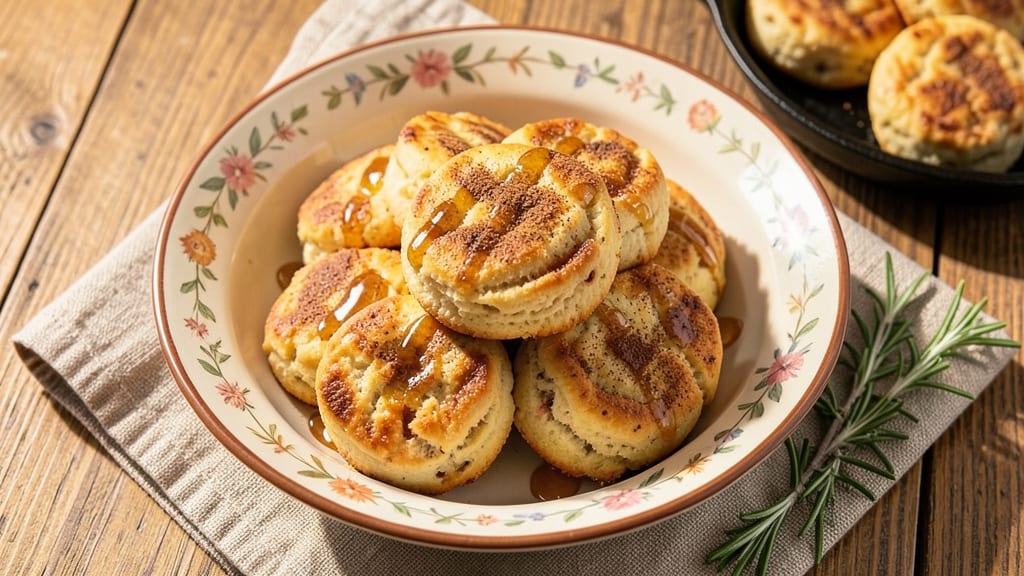
Thomas Jefferson's sweet potato biscuits bring colonial-era baking to life with their golden crust and tender, spiced sweet potato heart—a recipe straight from Monticello’s own kitchen. These biscuits were a staple in Jefferson’s household, blending simplicity with rich, earthy flavors that still impress today. The secret lies in the perfect balance of sweet potato purée, warm spices, and buttery layers that create a texture unlike any standard biscuit.
The original recipe relied on just a handful of ingredients—flour, sweet potatoes, butter, and baking powder—yet delivered a biscuit that was both hearty and delicate. Jefferson’s method emphasized slow cooking to develop deep flavor, a technique that transforms humble ingredients into something extraordinary.
While modern twists like maple glaze or rosemary add contemporary flair, the core remains true to his vision: a biscuit that’s as comforting as it is elegant.
What makes these biscuits special is their versatility—serve them warm with honey or jam for breakfast, alongside roasted meats for dinner, or as a side to hearty stews. The sweet potato purée adds natural sweetness and moisture, while the golden crust creates a satisfying contrast with every bite.
This recipe isn’t just about history; it’s about recreating a dish that’s as much a part of American culinary tradition as it is a delight for the modern table.
Ready in just 30 minutes, these biscuits are perfect for weekend baking or holiday gatherings. The key to success? Using ripe sweet potatoes and letting the dough rest before baking—small steps that make all the difference.
Whether you’re a history buff or simply love a great biscuit, this recipe delivers on both fronts.
Ingredients for thomas jefferson sweet potato biscuits
Colonial simplicity meets golden perfection—just nine ingredients for Jefferson’s legendary biscuits.
| Ingredient | Amount | Notes |
|---|---|---|
| Sweet Potatoes 🍠 | 2 lbs | Ripe, peeled and puréed |
| All-Purpose Flour 🌾 | 4 cups | Sifted for light texture |
| Unsalted Butter 🧈 | ¾ cup | Cold, cubed for flakiness |
| Baking Powder 🧂 | 2 tbsp | Aluminum-free preferred |
| Granulated Sugar 🍚 | 2 tbsp | Light brown preferred |
| Ground Cinnamon 🌿 | 1 tsp | Freshly ground preferred |
| Ground Nutmeg 🌿 | ¼ tsp | Freshly grated preferred |
| Salt 🧂 | ½ tsp | Diamond Crystal preferred |
| Milk 🥛 | ½ cup | Whole milk preferred |
| Honey 🍯 | 1 tbsp | For brushing crust |
Sweet potatoes are the heart of this recipe, so choose firm, ripe ones—the drier the flesh, the better the purée. Most grocery stores carry them year-round, but local farmers markets in fall have the sweetest varieties. Peeled and boiled until tender, they should mash easily with a fork—no food processor needed. For extra authenticity, use orange-fleshed varieties like Beauregard, which Jefferson would have had access to through trade routes. If you’re short on time, canned sweet potato purée works in a pinch, but fresh is always better for that authentic texture.
No baking powder? Self-rising flour plus extra salt can substitute, but the rise won’t be as light. Swapping brown sugar for white sugar cuts the moisture slightly, so add 1 tsp extra milk if you do. The spices are non-negotiable—nutmeg must be freshly grated for that warm, earthy note. No nutmeg? Allspice at half the amount gives a similar depth. For the butter, European-style (like Plugrá) has higher fat content and creates a richer crust. If you’re dairy-free, coconut oil works but lacks the same flavor complexity.
Purée keeps for 3 days refrigerated or 3 months frozen—portion into ice cube trays for easy use. Dough can be shaped ahead and chilled up to 24 hours for easier handling. Biscuits reheat beautifully—wrap in foil and warm at 350°F for 5-10 minutes. For Jefferson’s original touch, brush warm biscuits with melted butter and a pinch of cinnamon before serving. These freeze exceptionally well too—up to 6 months when wrapped tightly in foil.
Why You'll Love This Recipe
- Sweet Potato Magic: I swear, roasting the sweet potatoes first transforms them into this silky, caramelized base—no peeling, no fuss. Just cube, roast, and mash while you mix the rest.
- Butter-Sugar Crunch: That crispy, golden edge on top? Pure butter and sugar working their magic. The first bite gives you that buttery crackle, then the soft, slightly sweet center melts in your mouth.
- Breakfast or Snack: Honestly, these work for both. Serve them warm with jam for a lazy weekend brunch or pack a few in lunchboxes—they’re sturdy enough to handle the ride.
- Budget-Friendly Staples: Sweet potatoes and flour are cheap, and butter stretches far when you use just enough for flavor. I made a double batch last week, froze half, and still had leftovers for days.
Step-by-step instructions for thomas Jefferson's sweet potato biscuits
These biscuits deliver a tender, spiced sweet potato center with a golden, flaky crust—just as Jefferson's kitchen would have made.
Purée and Cook the Sweet Potatoes to Perfect Tenderness
Preheat your oven to 375°F. Pierce the 2 lbs sweet potatoes in several places with a fork, then microwave for 10-12 minutes until fork-tender. The goal is to soften them completely so they blend smoothly. Let them cool slightly before handling.
Once cool enough to handle, peel the sweet potatoes and transfer them to a food processor. Pulse until completely smooth—no lumps should remain. This purée forms the heart of the biscuits, so take your time to ensure it's perfectly even. For extra flavor, I like to add 1 tablespoon honey to the purée at this stage, mixing until fully incorporated. The honey balances the earthiness of the sweet potatoes and adds subtle depth.
Mix the Dry Ingredients for a Light, Airy Texture
In a large mixing bowl, whisk together the 4 cups all-purpose flour, 2 tablespoons baking powder, 2 tablespoons granulated sugar, 1 teaspoon ground cinnamon, ¼ teaspoon ground nutmeg, and ½ teaspoon salt. Sift the flour first to eliminate any clumps—this creates a lighter, more tender biscuit. I use a fine-mesh sieve for this step to ensure even distribution of the spices and leavening agents.
Once combined, make a well in the center of the dry ingredients. This well is where you'll add the wet ingredients next. The key here is to keep everything separate until the last possible moment to maintain that signature flaky texture. Jefferson's original recipe relied on this careful layering technique to achieve the biscuits' iconic crumb.
Cut the Cold Butter into the Dry Ingredients
Add the ¾ cup cold, cubed unsalted butter to the dry ingredients. Using a pastry cutter or your fingers, work the butter into the flour mixture until you achieve pea-sized crumbs. The butter should be completely coated but still visible in small clumps—this ensures maximum flakiness when baked. If the mixture starts to look like wet sand, add 1-2 tablespoons more flour to restore the proper texture.
Here's where precision matters: the butter must remain cold throughout this process. If it melts, your biscuits will be dense rather than flaky. I like to work quickly and keep the bowl in the freezer for 5 minutes between additions if needed. The cold butter creates steam pockets during baking, which rise to form those signature layers.
Combine Wet Ingredients and Form the Dough
Pour the ½ cup milk and the sweet potato purée into the well of dry ingredients. Using a wooden spoon or silicone spatula, gently fold everything together until just combined. Avoid overmixing—stop as soon as the dough comes together. Overworking the dough develops gluten, which makes biscuits tough instead of tender. The dough should be soft and slightly sticky, similar to playdough.
Turn the dough out onto a lightly floured surface and knead it 3-4 times just to bring it together. Then, pat it into a 1-inch thick rectangle. This thickness ensures even baking and proper rise. The dough should feel cool to the touch—if it's warm, it needs to rest in the refrigerator for 15 minutes before shaping.
Cut, Bake, and Finish with Honey Glaze
Preheat your oven to 425°F and line a baking sheet with parchment paper. Using a 2-inch biscuit cutter, cut out 12 biscuits from the dough, gently pressing down to ensure clean edges. Place them 1 inch apart on the prepared baking sheet. Brush the tops lightly with remaining 1 tablespoon honey mixed with 1 teaspoon water—this creates that signature Jeffersonian golden crust.
Bake for 12-15 minutes until the biscuits are deep golden brown on top and the edges are set. They should sound hollow when tapped on the bottom. For best results, bake one sheet at a time—crowding the pan steams the biscuits instead of browning them. As soon as they're done, transfer them to a wire rack to cool for 5 minutes before serving.
Pro Tips For Making Thomas Jefferson Sweet Potato Biscuits
- BOIL TO PERFECTION: Sweet potatoes need to be tender but not mushy—test by piercing with a fork. I learned this the hard way when I overboiled mine and ended up with dense, flavorless biscuits. Aim for 15-20 minutes, then drain and cool completely before mashing.
- USE COLD BUTTER: Cut the butter straight from the fridge into small cubes and toss it into the dry ingredients. This keeps the dough from getting too soft, which is crucial when mixing in mashed sweet potatoes. Your biscuits will hold their shape better and brown nicely.
- DON’T OVERMIX THE DOUGH: Once you add the sweet potato purée, stop mixing after just 10-12 strokes. Overworking the dough makes biscuits tough and dense. I used to think more mixing meant better texture, but now I know less is more—especially with this moist ingredient.
- CHILL THE DOUGH: Give the dough a 15-minute rest in the fridge before shaping. This firms it up, so the biscuits rise better and don’t spread too much. I was skeptical at first, but now I never skip it—it’s the difference between flat pancakes and fluffy biscuits.
Wine and beer pairings for these flavors
Sweet Potato Harmony
These biscuits pair beautifully with dry, spiced wines that complement their sweet potato richness. A Viognier from California—like Ramey Wine Co.'s—works wonders with its floral notes and subtle honeyed undertones.
The wine's acidity cuts through the biscuits' buttery crust while its stone fruit flavors mirror the sweet potato's natural sweetness. 🍷
Coffee Pairing
For a morning treat, serve these biscuits with medium-roast coffee—think a Colombian or Guatemalan blend. The biscuits' warm spices (cinnamon and nutmeg) enhance the coffee's caramel and chocolate notes, creating a cozy, balanced pairing.
I like Peet's Major Dickason's Blend for its smooth, slightly nutty profile that stands up to the biscuits' richness.
Beer Complements
A wheat beer with a touch of honey is my go-to beer pairing. Look for a German Hefeweizen like Paulaner or a Belgian Witbier such as Hoegaarden. The beer's light body and citrusy notes contrast the biscuits' density, while the honeyed finish echoes the glaze.
For a bolder option, try a honey ale—like Allagash Honey Farmer—to amplify the sweet potato's natural sweetness.
After-Dinner Digestif
Finish the meal with a small glass of bourbon or rye whiskey to cleanse the palate. The biscuits' spiced sweetness pairs beautifully with the whiskey's caramel and vanilla notes. I recommend a small-batch bourbon like Woodford Reserve or a smoky rye such as Bulleit.
Sip it neat or on the rocks for a satisfying contrast to the biscuits' warmth. 🥃
Seasonal Adaptations
In fall, these biscuits shine with spiced cider—like Angry Orchard's—which enhances their cinnamon and nutmeg flavors. For holiday gatherings, a dry sparkling wine like La Crema adds a festive touch.
In summer, swap the honey glaze for a lemon zest finish and pair with sparkling lemonade to lighten the dish.
Unexpected Pairings
For a savory twist, serve these biscuits alongside smoked gouda or sharp cheddar—the cheese's tang balances the sweetness. Pair with a dry Riesling or a hoppy IPA to bridge the flavors.
I also love them with spiced chai tea or mulled apple cider for a cozy, autumnal vibe. The possibilities are endless! 🍂
Nutrition facts
Frequently asked questions
Can I make these biscuits without sweet potatoes?
The sweet potato purée is essential for that signature tender, spiced center Jefferson's recipe relies on. However, if you're in a pinch, you can substitute with 1 cup mashed pumpkin or ½ cup unsweetened applesauce—though the flavor will differ slightly. For authenticity, stick with sweet potatoes when possible.
Why does my dough feel too sticky?
Sticky dough usually means one of two things: either your butter melted too much during mixing or you need more flour. First, check if your butter was cold enough—it should hold its shape when pressed. If needed, add 1-2 tablespoons flour at a time until the dough is just manageable. Don't overwork it, or the biscuits will turn tough.
How do I store these biscuits for maximum freshness?
For short-term storage, keep them in an airtight container at room temperature for up to 2 days. To reheat, wrap in foil and warm at 350°F for 5-10 minutes. For longer storage, freeze baked biscuits (without the honey glaze) for up to 3 months. Thaw at room temperature before reheating.
Can I make these biscuits gluten-free?
While Jefferson's original recipe uses all-purpose flour, you can adapt it with a 1:1 gluten-free flour blend (like Bob's Red Mill) plus ½ teaspoon xanthan gum. Replace the milk with almond milk and add 1 extra tablespoon butter for moisture. Expect a slightly denser texture, but the sweet potato flavor will still shine through.
What's the best way to serve these historically?
Jefferson's guests would have enjoyed these with honey or fresh berry compote for breakfast, or alongside roasted meats like ham or turkey for dinner. For a colonial-era touch, serve with clotted cream or whipped heavy cream—just as he might have at Monticello. The biscuits also pair beautifully with spiced cider or strong black tea.