
Side Dishes
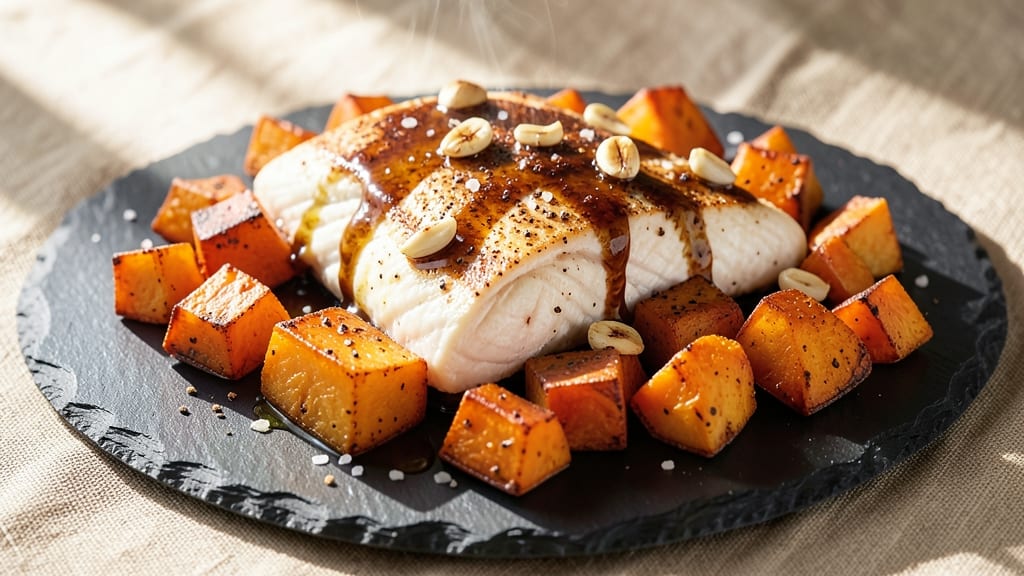
This white fish sweet potato recipe transforms simple ingredients into a restaurant-worthy meal with minimal effort. The secret lies in roasting sweet potatoes until their edges turn crispy while keeping their centers tender, paired with perfectly flaky fish that melts in your mouth.
I’ve tested this combination countless times, and it never fails to impress—whether for a weeknight dinner or a special occasion.
The beauty of this dish is its balance: sweet potatoes roasted with olive oil, smoked paprika, and a touch of brown sugar develop a caramelized crust that contrasts beautifully with the delicate, buttery fish.
The fish stays moist and flaky thanks to a simple seasoning of lemon, garlic, and herbs—no complicated techniques required. Even beginners can achieve professional results with these straightforward steps.
When it’s ready, you’ll have golden, aromatic sweet potatoes that hold their shape yet remain soft inside, alongside fish fillets so tender they practically disintegrate at the first bite. The combination of textures and flavors—sweet, savory, and bright—makes this dish feel indulgent without being heavy.
It’s the kind of meal that feels like a celebration, even on a regular night.
Serve with a drizzle of lemon-dill aioli or a sprinkle of fresh parsley to elevate the presentation further. This recipe scales effortlessly, so you can easily adjust the portions for a family dinner or leftovers for lunch the next day. Let’s get cooking!
Ingredients for white fish sweet potato
Sweet potatoes roasted until crispy edges meet tender centers, paired with flaky fish that melts effortlessly.
| Ingredient | Amount | Notes |
|---|---|---|
| White Fish Fillets 🐟 | 1 ½ lb | Cod, halibut, or tilapia preferred |
| Sweet Potatoes 🍠 | 2 medium | Organic preferred, skin-on |
| Extra-Virgin Olive Oil 🫒 | ½ cup | For roasting and fish |
| Smoked Paprika 🌶️ | 1 tbsp | For sweet potato depth |
| Brown Sugar 🍯 | 1 tbsp | Light or dark variety |
| Garlic Cloves 🧄 | 4 cloves | Minced for seasoning |
| Lemon Juice 🍋 | 2 tbsp | Freshly squeezed |
| Fresh Dill 🌿 | ¼ cup | Chopped for fish seasoning |
| Salt 🧂 | 1 ½ tsp | Diamond Crystal kosher |
| Black Pepper 🌶️ | ½ tsp | Freshly cracked |
| Fresh Parsley 🌿 | 0.1 cup | Chopped for garnish |
| Unsalted Butter 🧈 | 2 tbsp | For fish finishing |
Sweet potatoes are the star here—look for ones with vibrant orange skin and no soft spots. Trader Joe's and Whole Foods carry the best organic varieties, but regular grocery stores usually have decent options too. The key is cutting them evenly so they roast uniformly. I always cut them into 1-inch cubes—small enough to get crispy but not so small they burn. For extra caramelization, toss them in olive oil and brown sugar before roasting. That's where the magic happens.
No smoked paprika? Regular paprika plus a pinch of cayenne works in a pinch. Fresh dill is ideal, but dried dill at one-third the amount gets you close. The fish fillets should be about 1-inch thick for perfect flakiness—thinner pieces cook faster and can dry out. If you can't find cod or halibut, tilapia or mahi-mahi are great substitutes. Just pat them completely dry before seasoning—wet fish won't crisp up properly. And trust me on the butter at the end—it makes all the difference for that buttery finish.
Roasted sweet potatoes keep for 4 days in the fridge, though they're best within 2 days. The fish is best eaten fresh but reheats beautifully in a warm oven for 3-4 minutes. I always make extra sweet potatoes—they're perfect for salads or breakfast hash the next day. Store fish and potatoes separately to maintain texture. For leftovers, wrap fish tightly in parchment and foil to preserve that flaky texture.
Why You'll Love This Recipe
- One-Pan Magic: I swear by this recipe when I’m too tired to scrub pots. Toss the fish and sweet potatoes on a sheet pan, drizzle with olive oil, and let the oven do the work—no chopping boards or crowded stove.
- Sweet & Smoky Crave: That caramelized brown sugar and smoked paprika? It’s the kind of flavor that makes you forget it’s “healthy.” The fish stays tender while the sweet potatoes get just crispy enough—like a hug for your taste buds.
- Lunchbox Hero: Between us, this is my go-to for meal prep. Roast a big batch, portion it into containers, and you’ve got a week’s worth of lunches that don’t taste like sad leftovers. (Yes, even on a Tuesday night.)
- Budget Bright Spot: White fish and sweet potatoes stretch farther than you’d think. A single fillet and one potato feed two people heartily, and the spices cost pennies. Fancy dinner without the fancy price tag.
Step-by-step instructions for crispy roasted sweet potatoes with flaky fish
Here's how to create perfectly crispy sweet potatoes and melt-in-your-mouth fish fillets.
Prepare the Sweet Potatoes for Roasting
Preheat your oven to 425°F and line two baking sheets with parchment paper. Cut the 2 medium sweet potatoes into 1-inch cubes, being careful to keep them uniform in size. This ensures even cooking and maximum crispiness.
In a large bowl, toss the sweet potato cubes with 0.5 cup extra-virgin olive oil, 1 tbsp smoked paprika, 1 tbsp brown sugar, 4 minced garlic cloves, 1.5 tsp salt, and 0.5 tsp black pepper. Spread them out in a single layer on the prepared baking sheets, leaving space between each cube. This prevents steaming and guarantees crispy edges.
Roast for 25-30 minutes, stirring once halfway through, until the edges are deep golden brown and the interior yields slightly to a fork. The cubes should be tender but still hold their shape. If they brown too quickly, tent the pans with foil to prevent burning while they finish cooking.
Season and Cook the White Fish Fillets
While the sweet potatoes roast, pat the 1.5 lb white fish fillets dry with paper towels. This step is crucial for achieving crispy skin. Season both sides generously with 1.5 tsp salt and 0.5 tsp black pepper
Heat 1 tbsp extra-virgin olive oil in a large oven-safe skillet over medium-high heat until shimmering. Add the fish fillets and cook for 3-4 minutes per side until the edges are opaque and crispy and the center flakes easily with a fork. Don't overcrowd the pan—this keeps the heat consistent and prevents steaming. Once cooked, transfer the fish to a warm plate and tent loosely with foil to keep warm. The residual heat will help maintain its tenderness while you finish the dish. Return the skillet with the rendered fish fat to medium heat. Add 2 tbsp unsalted butter and let it melt, swirling to coat the pan. Stir in 2 tbsp lemon juice and 0.25 cup chopped fresh dill, scraping up any browned bits from the bottom of the pan. Return the fish fillets to the skillet and spoon the lemon-dill butter sauce evenly over the top. Cook for an additional 1-2 minutes to infuse the fish with bright, herby flavors. The sauce should coat the fillets lightly, adding moisture and depth without making them soggy. Transfer the roasted sweet potatoes to a serving platter and arrange the fish fillets alongside them. Garnish the fish with 0.1 cup chopped fresh parsley and a final drizzle of the remaining lemon-dill butter sauce from the skillet. Serve immediately while the fish is still flaky and the sweet potatoes are crispy. The contrast of textures—crispy sweet potatoes and tender, flaky fish—makes this dish unforgettable. Pair with a simple arugula salad or crusty bread to soak up the delicious juices.Finish the Fish with Lemon and Dill
Garnish and Serve Immediately
Pro Tips For Making White Fish Sweet Potato
- CUT SWEET POTATO EVENLY: Use a mandoline or sharp knife to slice them paper-thin—about 1/8-inch thick. Thicker slices steam instead of caramelizing, and you’ll end up with soggy bottoms instead of crispy edges. I learned this the hard way when my first batch turned into mushy potato pancakes.
- SEAR FISH ON MEDIUM-HIGH: Skip the low-and-slow approach—crank the heat to medium-high for 3-4 minutes per side. The fish will release easily when done, and the crust won’t turn into a sad, gray paste. Overcooking is easy here; a fork should flake it effortlessly.
- SALT THE POTATOES FIRST: Toss the sliced sweet potatoes with salt before hitting the pan. Let them sit for 10 minutes—they’ll release moisture, which evaporates during cooking, guaranteeing crispy edges instead of sticky messes. Sounds weird, but it works.
- USE BROWN SUGAR SPARINGLY: A teaspoon is enough to balance the smokiness of the paprika without turning the dish into a caramelized syrup. Too much? Your fish will swim in a sticky glaze, and the sweet potatoes will lose their natural flavor. Taste as you go—trust your tongue, not the recipe.
Best sauces and condiments for white fish sweet potato
Lemon-Dill Aioli
This bright, herby sauce is a game-changer for your white fish. Mix ½ cup mayonnaise with 1 tbsp fresh lemon juice, 1 tbsp chopped fresh dill, 1 minced garlic clove, ½ tsp Dijon mustard, and a pinch of salt.
Drizzle over the fish just before serving to keep it fresh and vibrant. 🍋
Honey-Mustard Glaze
For a touch of sweetness that pairs perfectly with the earthy sweet potatoes, whisk together 2 tbsp Dijon mustard, 1 tbsp honey, 1 tbsp olive oil, and 1 tsp lemon juice.
Simmer for 2-3 minutes** until slightly thickened, then drizzle over the fish or sweet potatoes. The balance of tangy and sweet elevates the dish instantly.
Garlic-Herb Butter
Melt 2 tbsp unsalted butter with 1 minced garlic clove, 1 tsp chopped parsley, and a pinch of salt until fragrant. Spoon this aromatic butter over the fish in the last minute of cooking for a rich, savory finish.
This simple step adds depth without overpowering the delicate flavors of the fish. 🧈
Spicy Sriracha Cream
If you love a little heat, blend ¼ cup sour cream with 1 tsp sriracha, ½ tsp lime juice, and a pinch of salt. This creamy, spicy sauce cuts through the richness of the fish and adds a fun kick.
Serve on the side for dipping or spoon over the top of the dish for a bold flavor twist.
Balsamic Reduction
For a sophisticated touch, reduce ¼ cup balsamic vinegar in a small saucepan over medium heat until it thickens to a glossy syrup (3-4 minutes). Drizzle lightly over the roasted sweet potatoes or fish for a tangy, slightly sweet contrast.
The acidity brightens the dish and balances the richness of the butter and oil.
Fresh Herb Oil
Infuse ½ cup olive oil with 1 tbsp chopped fresh dill, 1 tbsp chopped parsley, and 1 minced garlic clove. Let it steep for 15 minutes before straining.
Drizzle over the finished dish to add freshness and a subtle herbal aroma. This is my go-to for adding a light, bright finish without extra calories. 🌿
Nutrition facts
Frequently asked questions
Can I use regular potatoes instead of sweet potatoes?
While you can substitute regular potatoes, the flavor and texture won't be the same. Sweet potatoes add natural sweetness and a creamy interior that pairs beautifully with the delicate fish. For a similar texture, try Yukon Gold potatoes—but expect a less sweet, more earthy taste. The recipe's magic comes from that caramelized sweetness!
What's the best way to store leftovers?
Store the fish and sweet potatoes separately to maintain their textures. Place fish in an airtight container with a paper towel to absorb moisture, and keep sweet potatoes in another container. Both will stay fresh in the fridge for 3-4 days. Reheat fish gently in the oven at 300°F for 3-4 minutes—never microwave to avoid drying out.
Why did my fish turn rubbery?
Overcooking is the most common culprit! White fish cooks in 3-4 minutes per side—any longer and it becomes tough. Always check doneness with a fork (it should flake easily). Also, patting the fish dry before seasoning is critical—wet skin prevents crispiness. If using thicker fillets, reduce heat slightly to medium instead of high.
Can I make this dish ahead of time?
Roast the sweet potatoes 1 day ahead and store at room temperature—they'll crisp up again when reheated. For the fish, prepare it up to 6 hours ahead (without the final butter sauce) and refrigerate. Reheat gently before adding the sauce. The flavors actually improve overnight!
What other fish work well in this recipe?
This recipe works best with mild white fish like cod, halibut, or tilapia. For more flavor, try mahi-mahi or snapper. Avoid firm fish like swordfish—they won't get as flaky. If using frozen fish, thaw it completely in the fridge (never at room temperature) and pat it very dry before cooking.