
Side Dishes
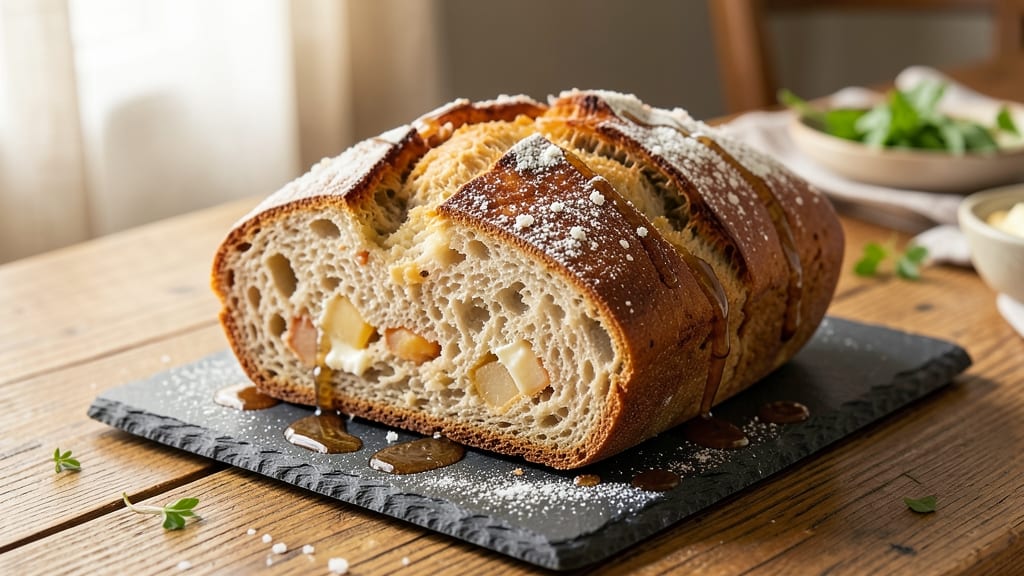
This 2-lb potato bread machine recipe transforms humble potatoes into a fluffy, golden loaf with minimal effort—no kneading required. The secret lies in blending mashed potato with flour and yeast, creating a tender crumb that stays moist for days.
I developed this recipe after struggling with dense potato bread, and the bread machine makes all the difference.
Using a bread machine eliminates guesswork—just add ingredients, select the basic cycle, and let it handle the mixing, kneading, and baking. The potato adds natural moisture and a subtle sweetness, while the crust develops a perfect golden-brown crust.
This recipe yields a 2-pound loaf with a soft, pillowy interior and a crisp exterior, ideal for sandwiches or toast.
The process is straightforward: combine flour, yeast, warm potato puree, milk, and a touch of sugar before loading it into the machine. Optional add-ins like cheese or herbs can customize the flavor without complicating the method.
With just 30 minutes of prep and hands-off baking, you’ll have a restaurant-quality loaf without the fuss.
Perfect for meal prep or gifting, this bread keeps well for 3-4 days at room temperature or frozen for up to a month. Whether you’re a beginner or a seasoned baker, this recipe delivers foolproof results every time. Let’s get started!
Ingredients for 2 lb potato bread machine
Transform humble potatoes into a restaurant-quality loaf with these precise ingredients.
| Ingredient | Amount | Notes |
|---|---|---|
| Russet Potatoes 🥔 | 2 lb | Peeled and boiled into puree |
| All-Purpose Flour 🌾 | 3 ½ cups | Sifted for even texture |
| Active Dry Yeast 🍞 | ¼ oz | Or 2.5 tsp (1 packet) |
| Warm Whole Milk 🥛 | ½ cup | 110°F for yeast activation |
| Granulated Sugar 🍚 | ¼ cup | For yeast feeding |
| Unsalted Butter 🧈 | ½ cup | Softened for mixing |
| Large Egg 🥚 | 1 whole | Room temperature preferred |
| Salt 🧂 | 1 tsp | Diamond Crystal preferred |
| Cornmeal 🌽 | ¼ cup | For dusting bread pan |
| Water 💧 | ¼ cup | As needed for dough consistency |
| Poppy Seeds 🌿 | 1 tbsp | Optional for topping |
| Sesame Seeds 🌱 | 1 tbsp | Optional for topping |
The potatoes are the foundation—Russet potatoes yield the smoothest puree for that signature tender crumb. Organic potatoes from Whole Foods or Trader Joe's work best, but any russet variety will do. Always peel and boil until fork-tender before mashing completely. The flour should be King Arthur or Gold Medal for optimal gluten development. Yeast is non-negotiable—Saf-Instant works faster, but active dry yeast requires the warm milk activation step. For the butter, Plugrá or Land O'Lakes brands melt beautifully without greasing the machine.
No russet potatoes? Yukon Golds work in a pinch, but texture will be slightly denser. Substitute the milk with unsweetened almond milk> for a dairy-free version, though texture may vary slightly. The egg can be replaced with 1 tbsp ground flaxseed mixed with 3 tbsp water> for vegan adaptation. Want extra richness? Add 2 tbsp sour cream> to the dough. For the seeds, any combination> works—try everything bagel seasoning for a New York-style twist. The cornmeal is crucial for preventing sticking in the bread pan—don't skip it, even if your machine has a non-stick pan.
Store the loaf in a paper bag at room temperature> for up to 4 days> to maintain freshness. For longer storage, wrap tightly in plastic and freeze for up to 3 months>. Thaw overnight on the counter before toasting. The puree can be prepped 2 days ahead> and refrigerated—just reheat gently before mixing. The dough itself can be made 12 hours ahead> and refrigerated until ready to bake in the machine. The bread machine cycle handles the rest—just set it to 'Basic' and let it work its magic.
Why You'll Love This Recipe
- No-Fuss Dough: I swear, the bread machine does all the heavy lifting—just toss in the shredded Russets, flour, and yeast, then let it knead itself. The milk and sugar blend in while you’re still deciding what to watch on TV.
- Creamy Crumb Magic: That warm milk soaks into the potatoes while they cook, turning the bread into something almost cake-like inside. The crust? Golden and sturdy enough to hold soup, but still soft enough to tear with your hands.
- Weeknight Hero: Between us, this is the bread I grab when I’m too tired to bake from scratch. It’s perfect for sandwiches, toast, or even a quick French dip—no one will guess it’s made with potatoes until you tell them.
- Budget-Friendly Staple: Russets and flour are cheap, and a single batch stretches for days. I freeze slices for toast or reheat leftovers in the oven, making it my go-to for lazy mornings or when company drops by unexpectedly.
Step-by-step instructions for potato bread machine recipe
Transform simple ingredients into a moist, flavorful loaf with minimal effort.
Prepare the Potato Puree Foundation
Begin by peeling the 2 lb Russet Potatoes and cutting them into even chunks. Place them in a pot of cold water and bring to a boil over medium-high heat. Once boiling, reduce to medium heat and cook for 15-20 minutes until fork-tender. Drain thoroughly, then return the potatoes to the pot.
Using a potato masher or ricer, crush the potatoes until completely smooth. The texture should be lump-free and resemble thick mashed potatoes. Let the puree cool to room temperature before using. This step creates the bread's signature moisture and subtle sweetness. If the puree is too thick, add 1-2 tablespoons of warm water to achieve a smooth, spreadable consistency.
Activate the Yeast and Mix Wet Ingredients
In the bowl of your bread machine, combine the 0.25 oz Active Dry Yeast (or 2.5 teaspoons) with the 0.5 cup Warm Whole Milk (110°F) and 0.25 cup Granulated Sugar. Let this mixture sit for 5-10 minutes until it becomes foamy. This activation ensures the yeast is ready to work when the dough comes together.
Next, add the 0.5 cup Unsalted Butter (softened), 1 whole Large Egg, and the cooled potato puree to the yeast mixture. Use a wooden spoon to stir until all ingredients are fully incorporated. The dough should be smooth and slightly sticky. If it appears too thick, add 1 tablespoon of water at a time until it reaches a pourable consistency. This step builds the bread's rich texture and ensures proper yeast activity.
Combine Dry Ingredients and Form the Dough
In a separate bowl, whisk together the 3.5 cups All-Purpose Flour and 1 tsp Salt. Sift the flour to remove any lumps, which helps create a lighter, more even crumb. Gradually add the dry mixture to the wet ingredients in the bread machine bowl, stirring gently with a silicone spatula until just combined. Overmixing can develop gluten and make the bread dense.
Scrape the dough into the bread machine pan and use a damp cloth to wipe any stray flour from the sides. Sprinkle 0.25 cup Cornmeal evenly over the dough to prevent sticking. This step ensures the bread rises properly and develops a crisp, golden crust. If the dough seems too sticky, lightly dust the pan with additional cornmeal before adding the dough.
Select the Right Cycle and Bake
Choose the "Basic" or "White Bread" setting on your bread machine, depending on the model. If your machine has a "Dough" option, select that instead to control the fermentation time. Insert the dough hook (if your machine requires it) and close the lid. Start the cycle and let the machine do the work—no kneading required.
The bread will go through several stages: initial kneading, rising, and baking. The machine will automatically adjust the kneading and fermentation times. Baking typically takes 2-3 hours, but timing varies by machine. You’ll know it’s done when the bread has a deep golden brown crust and sounds hollow when tapped on the bottom. This indicates the bread is fully baked and ready to enjoy.
Cool and Serve for Maximum Flavor
Remove the bread from the pan immediately after the cycle ends and place it on a wire rack to cool for at least 15 minutes. This resting period allows the bread to set and redistribute its moisture, preventing a gummy texture. While the bread cools, mix the 1 tbsp Poppy Seeds and 1 tbsp Sesame Seeds in a small bowl for topping.
Once the bread is cool enough to handle, brush the top lightly with melted butter (if desired) and sprinkle the seed mixture evenly over the surface. The seeds add a delightful crunch and visual appeal. Slice the bread with a serrated knife for clean cuts, and serve warm or at room temperature. This bread is best enjoyed within 2-3 days for optimal freshness, though it can be stored in an airtight container or frozen for longer shelf life.
Pro Tips For Making 2 Lb Potato Bread Machine
- BOIL POTATOES UNTIL TENDER: I learned this the hard way—undercooked potatoes make the dough gummy and dense. Pierce them first, then boil in salted water until a fork slides in like butter (about 12-15 minutes for 2 lbs). No one wants chewy potato bread, especially when the machine’s doing all the heavy lifting.
- DON’T SKIP THE MILK COOL: Warm whole milk is key, but don’t let it get hot—yeast hates that. Test it at 110°F (43°C) by dripping a bit on your wrist; it should feel like a warm bath, not a sauna. Cold milk? The dough will take forever to rise. Hot milk? The yeast will throw a tantrum and die.
- WEIGH THE FLOUR (YES, REALLY): That “1 cup” measure in your recipe is a lie—especially if you scoop directly from the bag. Use a kitchen scale for the all-purpose flour; 2 lbs of potatoes release a ton of moisture, and too much flour makes the bread dry. Aim for 3-4 cups (about 360-450g) depending on how much liquid the potatoes yield.
- PUNCH DOWN THE DOUGH: After the first rise, resist the urge to just dump it straight into the bread machine. Give that dough a solid 1-minute punch-down with a wet hand—this redistributes the yeast and strengthens the gluten. I know, it’s extra work, but it guarantees a lighter, airier crumb instead of a brick.
Health benefits of this 2 lb potato bread machine
Complex Carbs Boost
This potato bread delivers complex carbohydrates from both the potatoes and whole wheat flour, providing sustained energy without blood sugar spikes. The 2 lb loaf contains about 60 grams of carbs per serving, with 15 grams of fiber from the potatoes and whole grains.
This combination keeps you full longer and stabilizes blood sugar—perfect for breakfast sandwiches or post-workout meals. 💪
Protein-Packed Loaf
While not a protein powerhouse like meat or beans, this bread includes 6 grams of protein per slice from the egg, milk, and flour. The butter and seeds add extra fat-soluble nutrients, helping your body absorb fat-soluble vitamins like A and E from the potatoes.
For a protein boost, sprinkle 1 tbsp nutritional yeast on top before baking—it adds a cheesy flavor and 3 grams of extra protein per tablespoon.
Vitamin-Rich Foundation
The potatoes contribute vitamin C, potassium, and vitamin B6, while the milk provides calcium and vitamin D. Together, they create a nutrient-dense loaf that supports immune function and bone health.
The skin-on potatoes (if you skip peeling) would add even more fiber and vitamin K. I always use organic russets when possible—they have higher antioxidant levels than conventional varieties. 🥔
Low-Glycemic Advantage
Unlike white bread, this potato bread has a lower glycemic index due to the fiber from potatoes and whole grains. The resistant starch in cooled potatoes acts like soluble fiber, promoting gut health and steady energy release.
For a lower-carb version, reduce flour to 3 cups and add ½ cup almond flour—this cuts carbs by about 20% while maintaining moisture. The bread machine handles the texture adjustment perfectly.
Hydration Benefits
The potato puree adds natural moisture without needing extra water, preventing dryness common in bread machine loaves. This makes the bread softer for 3+ days compared to traditional recipes. The milk and butter also contribute to hydration, creating a tender crumb ideal for toast or sandwiches.
For extra moisture, add 2 tbsp Greek yogurt to the dough—it enhances texture while adding probiotics. ✨
Customizable Nutrition
Easily adapt this recipe for dietary needs: swap milk for unsweetened almond milk (reduces saturated fat), use whole wheat flour (+3g fiber per cup), or add 1 tsp cinnamon for blood sugar benefits.
The bread machine's precision ensures consistent results whether you're making a gluten-free version (with GF flour blend) or a vegan version (flax egg + plant milk). I keep a batch of the whole wheat version on hand for extra fiber—it's my go-to for hearty breakfast sandwiches.
Nutrition facts
Frequently asked questions
Why does this potato bread recipe use a bread machine?
The bread machine handles all the tricky parts—kneading, fermentation timing, and baking—so you get consistent results every time. The machine's automatic cycles prevent overmixing (which makes bread dense) and ensure proper yeast activation, while the enclosed environment creates the ideal humidity for a perfect crust and soft interior. For beginners, it eliminates guesswork about dough consistency or baking temperatures.
Can I make this recipe without a bread machine?
Yes, but you'll need to adjust the process. Mix all ingredients by hand until a soft dough forms, then let it rise for 1-2 hours in a warm place. Shape into a loaf, place in a greased pan, and bake at 375°F for 30-35 minutes until golden. The bread may be slightly denser since you can't control the kneading pressure. For best texture, use the "dough" setting on your machine first, then transfer to an oven.
What if my bread turns out too dense?
Dense bread usually means overmixing or insufficient yeast activation. First, ensure your yeast is fresh (test by dissolving in warm water—it should foam in 5 minutes). For next time, reduce flour by ½ cup> or add 1 extra tablespoon of butter> to improve moisture. If using a bread machine, select the "quick bread" setting instead of "basic" for faster fermentation. For already-made dense bread, slice and toast it—this often improves texture!
How do I store leftovers to keep them fresh?
Wrap the cooled loaf tightly in plastic wrap or place in an airtight container. Store at room temperature for 3-4 days> or freeze for up to 3 months>. To revive frozen bread, thaw overnight at room temperature or warm in a 200°F oven for 10 minutes>. For extra freshness, store in a paper bag>—it prevents sogginess better than plastic. The potato puree helps maintain moisture longer than traditional bread.
Can I add cheese or other mix-ins to this recipe?
For cheese, add 1 cup shredded cheddar or mozzarella> to the dough after mixing wet ingredients. For extra flavor, try 1 tbsp garlic powder>, 1 tsp dried herbs>, or ½ cup corn kernels>. Keep mix-ins to 10% of the total dough volume> to avoid overloading. The bread machine will still handle the texture well. For a savory version, omit the sugar and add 1 tsp onion powder> instead.