
Side Dishes
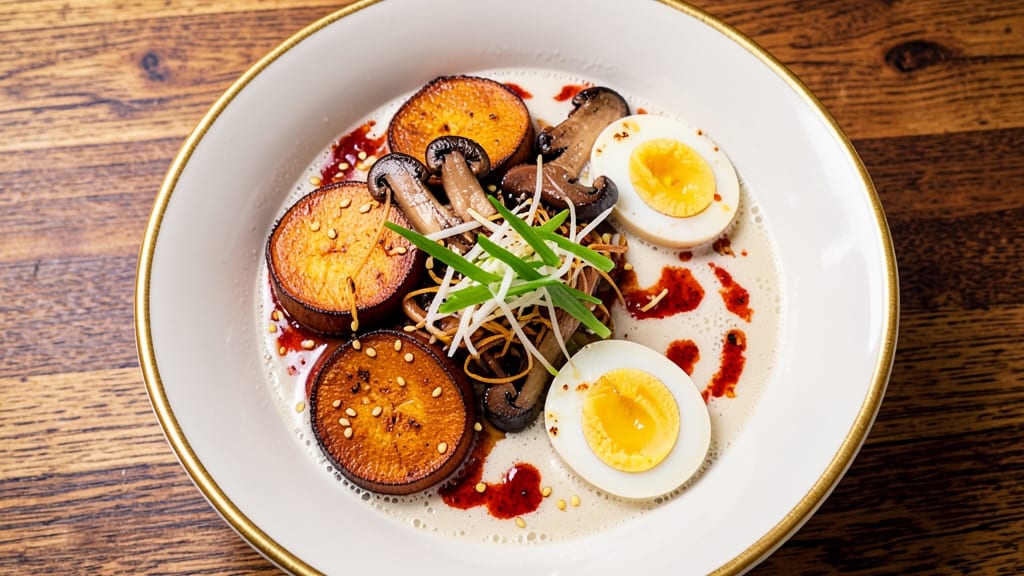
This sweet potato ramen recipe transforms humble ingredients into a deeply satisfying bowl of comfort food with roasted depth and umami richness. The secret lies in slow-roasted sweet potatoes that infuse the broth with natural sweetness, while miso and soy create that signature savory complexity.
I developed this vegetarian-friendly version after craving ramen that balanced heartiness with modern twist—no meat needed.
What sets this apart is the two-stage broth building: first roasting sweet potatoes and mushrooms to caramelize their natural sugars, then simmering with miso paste and coconut milk for a creamy, aromatic base.
The noodles absorb the flavorful broth perfectly, while toppings like soft-boiled eggs (or tofu for vegetarian) and quick-pickled green onions add fresh contrast. It's the kind of dish that feels both nostalgic and completely fresh.
By the time you're done, you'll have a bowl that's rich yet balanced—sweet potatoes lend earthy sweetness, mushrooms add umami depth, and the miso-coconut broth ties everything together with velvety texture.
The best part? This recipe adapts effortlessly to dietary needs while delivering restaurant-quality flavor at home. Ready to make your own?
Whether you're serving a weeknight dinner or prepping for a meal prep session, this ramen keeps well for up to 3 days in the fridge. The broth actually improves with time, so leftovers taste even better the next day. Let's get started on creating your perfect bowl.
Ingredients for sweet potato ramen
Sweet potatoes and umami-rich miso create a vegetarian ramen that's deeply satisfying and restaurant-quality at home.
| Ingredient | Amount | Notes |
|---|---|---|
| Medium Sweet Potatoes 🍠 | 2 whole | Organic preferred, skin-on |
| Shiitake Mushrooms 🍄 | 8 whole | Fresh, stems removed |
| White Miso Paste 🧈 | 2 tbsp | High-quality, non-GMO |
| Red Miso Paste 🧈 | 1 tbsp | For balanced umami |
| Full-Fat Coconut Milk 🥥 | 1 can (13.5 oz) | Canned, no additives |
| Vegetable Broth 💧 | 4 cups | Homemade or low-sodium |
| Ramen Noodles 🍜 | 2 packages (3 oz each) | Fresh or dried, preferred |
| Fresh Ginger Root 🌿 | 1 inch | Peeled, grated finely |
| Garlic Cloves 🧄 | 6 cloves | Fresh, minced |
| Sesame Oil 🫒 | 1 tbsp | Toasted, for aroma |
| Soy Sauce 🥢 | 2 tbsp | Tamari for gluten-free |
| Sesame Seeds 🌰 | 1 tbsp | Toasted, for garnish |
| Green Onions 🧅 | 3 whole | Thinly sliced, pickled |
| Extra-Firm Tofu 🥬 | 8 oz | Soft-boiled, for topping |
| Sesame Oil (extra) 🫒 | 1 tsp | For finishing |
The sweet potatoes are the heart of this dish—organic, skin-on varieties like Jewel or Garnet hold their shape while roasting and caramelize beautifully. I grab mine from Whole Foods or the produce section at Trader Joe's when they're in season. For mushrooms, shiitake adds that meaty texture, but cremini or oyster work too. The miso pastes? Miso Master brand is my go-to for consistency, but any high-quality white and red miso will do. Pro tip: Don't skip the stems—they're packed with flavor, just slice them thinly.
No fresh ginger? Powdered works at half the amount, but it lacks that bright zing. The tofu can be swapped for soft-boiled eggs if you're not strictly vegetarian. For the broth, homemade vegetable stock elevates everything, but low-sodium store-bought is fine in a pinch. The sesame oil is non-negotiable here—it's what gives that authentic ramen aroma. If you're feeling fancy, toast your own sesame seeds in a dry pan for 30 seconds until golden. Trust me, it makes all the difference.
This broth actually tastes better the next day—3-4 days in the fridge, no problem. Store it in an airtight container with a lid pressed tight to keep the aromas locked in. For meal prep, I make a big batch of broth and freeze it in 1-cup portions. The noodles? Cook them fresh when serving—2 minutes less than package instructions—so they stay al dente. Tofu holds up well for 2 days in the fridge if prepped ahead, but I like to soft-boil it right before serving for that perfect silky texture.
Why You'll Love This Recipe
- Sweet Potato Swap: I keep a bag of sweet potatoes in the pantry for exactly this—no last-minute grocery runs. Roast them ahead or use pre-cut ones, and suddenly ramen night feels like a breeze.
- Umami Bomb: That combo of white and red miso? Chef’s kiss. The shiitakes soak up the depth, while the coconut milk softens the richness—creamy but never heavy, with a lingering savory punch.
- Leftover Hero: Between us, this is my go-to for meal prep. The broth thickens overnight (even better!), and reheated bowls taste like you just made them—no sad, watery noodles in sight.
- Budget Flex: Sweet potatoes and dried shiitakes stretch my grocery budget without sacrificing flavor. Honestly, I’ve made this for under $5 per serving, and no one complains about the taste.
Step-by-step instructions for sweet potato ramen with roasted depth
This umami-rich ramen delivers restaurant-quality flavor with a perfect balance of sweet, savory, and smoky notes.
Roast Sweet Potatoes and Mushrooms for Depth
Preheat your oven to 400°F. Cut the 2 whole medium sweet potatoes into ½-inch thick rounds and toss with 1 tablespoon sesame oil, 1 tablespoon soy sauce, and ½ teaspoon black pepper. Arrange them on a parchment-lined baking sheet in a single layer.
Slice the 8 whole shiitake mushrooms into ¼-inch thick pieces and toss them with the same oil and soy sauce mixture. Spread them around the sweet potatoes on the baking sheet. Roast for 20-25 minutes until the sweet potatoes are tender when pierced with a fork and the mushrooms are golden brown around the edges.
Here's the thing—roasting these ingredients first creates that caramelized depth that separates this ramen from basic versions. The sweet potatoes will become naturally sweet and tender, while the mushrooms develop a meaty texture and rich umami flavor. Keep an eye on them after 20 minutes to prevent over-browning.
Build the Umami-Rich Broth Base
While the vegetables roast, prepare the broth by combining 4 cups vegetable broth, 1 can (13.5 oz) full-fat coconut milk, 2 tablespoons white miso paste, and 1 tablespoon red miso paste in a medium saucepan. Bring to a gentle simmer over medium heat, stirring constantly to dissolve the miso pastes completely.
Add the 1 inch finely grated ginger root and 6 cloves minced garlic to the simmering broth. Let it cook for 5-7 minutes until the aroma is deeply aromatic and the flavors meld together. The red miso adds a subtle sweetness that balances the earthy white miso, creating that perfect umami profile.
I always taste the broth at this stage—it should be rich and complex, with a smooth mouthfeel from the coconut milk. If it's too thick, add a splash of hot water to reach your desired consistency. Keep it warm while you prepare the remaining components.
Prepare the Tofu Topping
While the broth simmers, prepare the tofu topping by pressing the 8 oz extra-firm tofu between two paper towels for 15 minutes to remove excess moisture. Cut it into ½-inch thick slices and pan-fry in 1 teaspoon sesame oil over medium-high heat for 2-3 minutes per side until golden brown and crispy.
The key here is high heat and minimal oil—this creates that perfect crispy exterior while keeping the interior tender. Don't overcrowd the pan or the tofu will steam instead of sear. Transfer the cooked tofu to a paper towel-lined plate to drain any excess oil.
While the tofu cooks, slice the 3 whole green onions thinly and set aside for garnish. Toast the 1 tablespoon sesame seeds in a dry skillet over low heat for 1-2 minutes until fragrant and golden. These finishing touches add texture and visual appeal to your ramen.
Assemble and Finish the Ramen
Cook the 2 packages (3 oz each) ramen noodles according to package instructions until al dente, but drain them for 10 seconds longer than recommended to prevent mushiness. Divide the cooked noodles among 4 bowls, reserving some of the starchy cooking water.
Ladle the warm miso broth over the noodles, adding ½ cup per serving. The broth should reach about halfway up the bowl, leaving room for the toppings. Gently stir in 1 teaspoon extra sesame oil to each bowl, creating a beautiful sheen on the surface.
Top each serving with the roasted sweet potatoes and mushrooms, crispy tofu slices, toasted sesame seeds, and sliced green onions. The contrast of textures—creamy broth, tender sweet potatoes, meaty mushrooms, crispy tofu—makes each bite exciting. Serve immediately while everything is hot and the aromas are at their peak.
Pro Tips For Making Sweet Potato Ramen
- Parboil Sweet Potatoes First: Toss peeled sweet potatoes in boiling water for 3 minutes before roasting—this keeps them from turning to mush when simmered in the broth. I learned this after one batch turned into a sad, watery purée in my ramen, and now they hold their shape perfectly.
- Sear Mushrooms Before Simmering: Dry shiitake caps thoroughly and sear them in a hot pan for 2-3 minutes until deeply browned—this concentrates their umami and prevents them from turning soggy in the coconut milk. I used to skip this, and the flavor just never stuck.
- Bloom Miso Separately: Mix white and red miso pastes with a splash of hot broth before adding coconut milk—this prevents clumping and ensures a smooth, balanced flavor. After burning through three batches of grainy miso sludge, I now treat it like a sauce, not a dump-in.
- Temper Coconut Milk: Heat the full-fat coconut milk slowly over low heat until it’s steaming but not boiling—this avoids curdling when combined with the miso. I was skeptical until I tried it; now my broth stays silky instead of separating into a sad, oily mess.
Troubleshooting your sweet potato ramen
Broth Too Thin?
If your broth ends up watery, it’s usually because the miso paste didn’t fully dissolve or the coconut milk was over-diluted. Simmer the broth uncovered for an extra 5 minutes to thicken naturally.
For an instant fix, whisk in 1 tablespoon cornstarch mixed with 2 tablespoons cold water until smooth, then simmer for 2-3 minutes until it reaches your desired consistency. 💡
Sweet Potatoes Overcooked?
Roasting sweet potatoes at 400°F for too long turns them mushy and loses their natural sweetness. Check them at 20 minutes—they should be tender but still hold their shape.
If they’re overdone, try roasting them at 375°F for 15-18 minutes next time. For extra insurance, slice them slightly thicker (⅝ inch instead of ½ inch).
Mushrooms Staying Slimy?
Raw shiitake mushrooms can release excess moisture, making them slimy when roasted. Pat them dry with a paper towel before tossing in oil and soy sauce. Also, spread them in a single layer on the baking sheet so they roast evenly.
If they still seem wet, roast them at 425°F for 15 minutes to crisp up their edges. 🍄
Noodles Too Soft?
Overcooked noodles ruin the texture of ramen. Always drain them 10 seconds longer than package instructions and rinse briefly under cold water to stop the cooking process. For extra insurance, reserve ½ cup of starchy noodle water—adding a splash back to the bowl before serving helps maintain their bite.
Pro tip: Use fresh ramen noodles if possible—they hold up better than dried.
Broth Too Salty?
Miso paste and soy sauce can make broth overly salty, especially if you’re sensitive to sodium. Balance it by adding ½ cup cold water to dilute the flavor, then taste again.
For a deeper fix, stir in 1 teaspoon maple syrup or 1 teaspoon honey to offset the saltiness while enhancing the sweetness from the roasted sweet potatoes. 🧈
Tofu Not Crispy?
Tofu turns out soggy when fried too slowly or with too much moisture. Press it 20 minutes (not just 15) and pat it very dry with paper towels before cooking. Use a nonstick skillet and heat it to medium-high—if it smokes, your oil is too hot.
Cook in small batches to avoid steaming. For extra crispiness, broil the tofu for 1-2 minutes at the end. 🥬
Nutrition facts
Frequently asked questions
Can I make this sweet potato ramen without coconut milk?
For a dairy-free version, replace the coconut milk with ½ cup full-fat cashew cream or ¼ cup tahini thinned with ¼ cup warm water. If you prefer a lighter broth, use an extra ½ cup vegetable broth instead. The miso will still provide that rich umami base, though coconut milk adds natural creaminess that's hard to replicate.
How do I adjust this for spicy ramen lovers?
Add 1 teaspoon gochujang (Korean chili paste) or ½ teaspoon chili crisp to the broth while simmering. For extra heat, top each bowl with ½ teaspoon sriracha or sliced jalapeños. If you want smoky depth, stir in ½ teaspoon smoked paprika with the miso pastes. Balance the heat with a drizzle of sesame oil—it cools the palate beautifully.
Can I prep components ahead of time for meal prep?
Yes! Roast the sweet potatoes and mushrooms 1 day ahead and store in an airtight container. Make the broth up to 3 days in advance—it actually improves in flavor. Cook the noodles fresh when serving (they get mushy when reheated), but you can prep the crispy tofu 1 day ahead and reheat in a dry skillet for 30 seconds before serving. Keep toppings like sesame seeds and green onions separate until serving.
What's the best way to reheat leftovers?
Reheat broth and noodles separately—bring broth to a simmer in a saucepan, then add noodles for 1-2 minutes to warm through. For crispy tofu, reheat in a dry skillet over medium heat for 1 minute per side**. Add fresh sesame oil and green onions when serving to restore that restaurant-quality finish. Never microwave tofu—it makes it rubbery.
Can I use regular potatoes instead of sweet potatoes?
Not ideal! Sweet potatoes provide that natural sweetness and earthy depth that balances the umami broth. Regular potatoes would make the dish too starchy and lack the caramelization that happens when roasted. If you're out of sweet potatoes, try butternut squash (roasted with the same method) for a similar sweetness, but the texture will be slightly different.