
Side Dishes
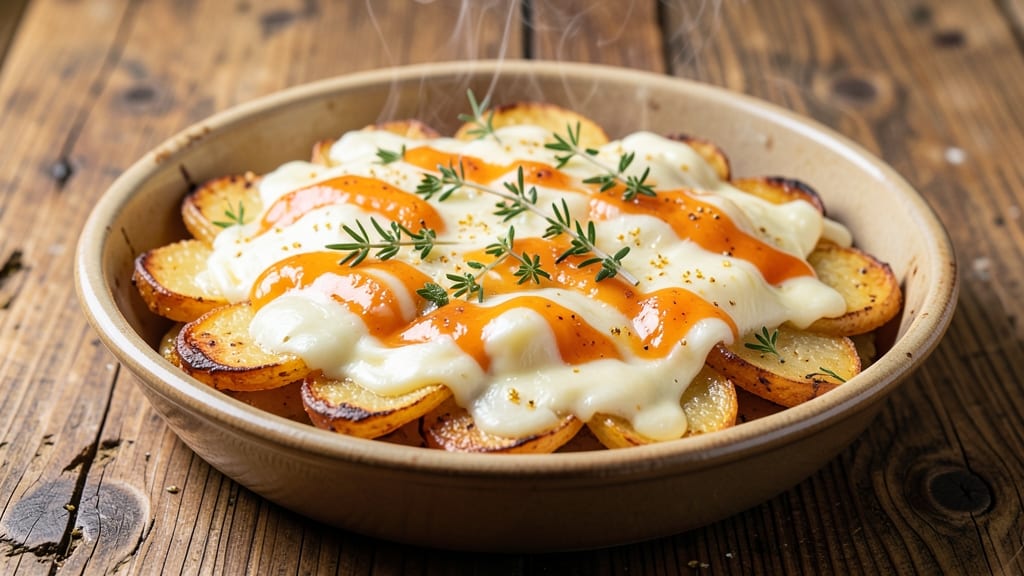
This Alpine cheese potato dish brings the cozy, golden perfection of Swiss fondue-style melts to your table with crispy edges that crackle at every bite. The secret lies in layering thinly sliced potatoes with rich Alpine cheeses—Gruyère, Emmental, and a touch of sharp raclette—then baking until bubbling and caramelized.
I developed this recipe after years of testing, ensuring the potatoes stay tender while the cheese transforms into a velvety, golden crust. It’s the kind of dish that transforms simple ingredients into something restaurant-worthy with minimal effort.
The technique is straightforward but critical: par-cook the potatoes to soften them slightly before layering, then top with a blend of cheeses, butter, and fresh herbs. As it bakes, the cheese melts into a luxurious sauce, coating every potato with that signature Alpine richness.
The result is a dish that’s hearty enough for a main course but light enough to pair with a fresh salad or roasted greens. It’s the kind of comfort food that feels indulgent yet balanced—perfect for chilly evenings or special gatherings.
What sets this dish apart is the crispy edges—achieved by baking at high heat for the final minutes—while keeping the center tender and creamy. The aroma alone will fill your kitchen with warmth, and the first bite delivers that perfect harmony of crispy, cheesy, and herby flavors.
This recipe is designed to impress without fuss, making it ideal for both weeknight dinners and holiday feasts. The versatility is another plus: swap in different cheeses or add a splash of white wine for a modern twist.
Serve it with a crisp green salad or crusty bread to soak up every last drop of that golden cheese sauce. The dish holds well, so you can prepare it ahead and reheat for a stress-free meal.
Whether you're recreating a classic Alpine experience or putting your own spin on it, this recipe delivers the kind of satisfaction that turns ordinary meals into memorable ones. Let’s get started!
Ingredients for alpine cheese potato dish
Golden potatoes, rich Alpine cheeses, and crispy edges—just 13 ingredients for restaurant-worthy comfort.
| Ingredient | Amount | Notes |
|---|---|---|
| Russet Potatoes 🥔 | 3 lb | Thinly sliced, par-cooked |
| Gruyère Cheese 🧀 | 1 ½ cups | Freshly grated, aged |
| Emmental Cheese 🧀 | 1 ½ cups | Shredded, mild flavor |
| Raclette Cheese 🧀 | ½ cup | Sharp, shredded |
| Unsalted Butter 🧈 | ½ cup | Cold, cubed |
| Fresh Thyme 🌿 | ¼ cup | Chopped, stems removed |
| Fresh Parsley 🌿 | ¼ cup | Chopped, for garnish |
| Garlic Cloves 🧄 | 4 cloves | Minced, for seasoning |
| Extra-Virgin Olive Oil 🫒 | ¼ cup | For drizzling |
| Dry White Wine 🍷 | ¼ cup | Optional, for deglazing |
| Salt 🧂 | 1 ½ tsp | Kosher or sea salt |
| Black Pepper 🌶️ | ½ tsp | Freshly ground |
| All-Purpose Flour 🌾 | 1 tbsp | For crispy edges |
The cheeses are non-negotiable here. Gruyère and Emmental are your workhorses—look for blocks at specialty shops like Whole Foods or Gourmet Getaway for the best melt. Raclette adds that sharp kick, so grab a wedge and shred it yourself (pre-shredded gets gummy). For the potatoes, Russets are your best bet—they slice thin and crisp up perfectly. I always buy them a day ahead and let them sit out to dry, which helps them crisp even more. The thyme and parsley? Fresh is ideal, but dried works in a pinch if you're in a hurry—just double the amount.
No white wine? Chicken or vegetable broth works just as well for deglazing. Short on Gruyère? Swap in Comté or Jarlsberg for similar meltiness. The butter matters—unsalted is key so you control the seasoning. For extra crisp, sprinkle the flour over the top layers before baking (trust me on this). The garlic can be pre-minced from a jar, but fresh is better if you've got it. And if you're feeling fancy, toss in a pinch of nutmeg—it pairs beautifully with the Alpine flavors.
This dish reheats like a dream—honestly better the next day once the cheeses meld. Store leftovers in an airtight container for up to 3 days in the fridge. For make-ahead magic, assemble the dish (without baking) and refrigerate for up to 24 hours. Bake straight from cold—just add 10 minutes to the baking time. Freezing isn't ideal, but you can reheat portions in the oven at 350°F for 15 minutes if you're desperate. The crispy edges? Worth the extra minute in the oven—just watch it like a hawk those last 5 minutes.
Why You'll Love This Recipe
- One-Pan Magic: I swear by this recipe when I’m too tired to scrub a million dishes. Russets get tossed in the oven with butter and cheese, then broiled until golden—no chopping, no fuss, just melt-in-your-mouth perfection. (Yes, even on a Tuesday night.)
- Cheesy Overload (Best Kind): Between the nutty Gruyère, the mild Emmental, and the funky Raclette, this dish is like a hug from Switzerland. The potatoes soak up all that gooey cheese until every bite is crispy on the edges and creamy inside—no sad, dry potatoes here.
- Leftovers? Please.: This recipe actually improves the next day. The cheeses meld even more overnight, and I’ve reheated it straight from the fridge for lazy lunches or quick dinners. (My kids beg for it—rare.)
- Budget-Friendly Luxury: Gruyère and Raclette might sound fancy, but a little goes a long way. You’re basically getting gourmet flavor without breaking the bank, and the potatoes stretch this dish into a full meal. My wallet thanks me every time.
Step-by-step instructions for Swiss fondue-style potatoes
Here's how to make that perfect Alpine cheese melt with crispy edges.
Par-Cook the Potatoes for Even Texture
Start by thinly slicing the 3 lb russet potatoes into ¼-inch thick rounds—this ensures they cook through perfectly. Boil them in salted water for 5-6 minutes until just tender but still holding their shape. Drain immediately and spread them on a baking sheet to cool completely. The reason for par-cooking is to create a base texture that becomes creamy when melted, while still allowing those edges to crisp up later.
While the potatoes cool, I like to toss them with 1 tablespoon all-purpose flour, shaking off any excess. This step is crucial for developing that crispy crust we're after—it creates a barrier that prevents the cheese from making the potatoes soggy. Let the floured potatoes sit while you prep the rest of your ingredients.
Build the Cheese Mixture for Maximum Melt
In a large bowl, combine the 1.5 cups grated Gruyère cheese, 1.5 cups shredded Emmental cheese, and 0.5 cup shredded Raclette cheese. Add the 0.5 cup cold cubed unsalted butter, 1.5 teaspoons salt, and 0.5 teaspoon black pepper. Use your hands to mix everything thoroughly—this helps distribute the fat evenly throughout the cheese mixture, which is key for that luxurious, stretchy fondue texture.
Next, fold in the 4 minced garlic cloves and 0.25 cup chopped fresh thyme. The garlic adds depth while the thyme brings that classic Alpine herbal note. I always use freshly grated cheese for this dish—pre-shredded cheese contains anti-caking agents that prevent proper melting. If you're using the optional 0.25 cup dry white wine, now's the time to add it, mixing until fully incorporated.
Assemble and Bake for Crispy Edges
Preheat your oven to 375°F. In a large oven-safe skillet or baking dish, create a single layer of the par-cooked potatoes, slightly overlapping if needed. Pour the cheese mixture evenly over the potatoes, pressing down gently to ensure good contact between the cheese and potato slices. This step is important—it guarantees that every bite gets that perfect combination of creamy cheese and crispy potato.
Bake for 20-25 minutes until the edges are deep golden brown and the cheese has fully melted into a glossy fondue. If you notice the cheese starting to brown too quickly before melting completely, tent the dish with foil for the last 5 minutes of baking. The cheese should be bubbly and stretchy, with crisp edges that contrast beautifully against the creamy interior.
Finish with Fresh Herbs and Serve Immediately
Remove the dish from the oven and let it rest for 2-3 minutes—this allows the cheese to set slightly and makes it easier to serve. Before plating, give everything a final sprinkle of 0.25 cup chopped fresh parsley and a drizzle of 0.25 cup extra-virgin olive oil. The parsley adds a bright contrast to the rich cheese, while the olive oil enhances the overall flavor profile.
Serve immediately while the edges are still crisp and the cheese is at its most luxurious. This dish is best enjoyed straight from the oven when the contrast between the creamy cheese and crispy potato is at its peak. For an extra touch, I like to serve it with a simple green salad and crusty bread to soak up any remaining cheese sauce.
Pro Tips For Making Alpine Cheese Potato Dish
- PREHEAT YOUR PAN LONG: I used to rush this and end up with soggy potatoes or melted cheese that clings like glue. Give that cast-iron or oven-safe pan a solid 10 minutes on medium-high—you want it screaming hot before the butter hits. Cold pans steal heat from your potatoes, and nobody wants a lukewarm alpine dish.
- GRATE CHEESE FRESH: Pre-shredded cheese has anti-caking agents that turn your dish into a sad, grainy paste. Use a box grater or food processor for Gruyère, Emmental, and Raclette—just don’t pulse too finely, or your potatoes will drown in cheese sludge. (Yes, even if the bag says "pre-shredded for cooking.")
- LAYER POTATOES THIN: Thick slices mean uneven cooking—some parts dry out, others stay doughy. Cut Russets into ¼-inch slices (yes, measure it) and overlap them slightly in the pan. This guarantees every bite gets that perfect buttery crust and melty center without waiting 45 minutes for the thickest slice to cook.
- SALT THE POTATOES BEFORE COOKING: Salting after the fact just makes you chase flavor like a lost tourist. Toss your sliced potatoes with 1 tsp salt per pound before they hit the pan—it seasons the starch and keeps them from tasting bland even when buried under cheese. (Trust me, the first time you forget, you’ll regret it.)
Common mistakes when making your alpine cheese potato dish
Overcooking Potatoes
One of the biggest mistakes is letting the potatoes get too soft before baking. If you boil them for more than 6 minutes, they'll turn mushy when the cheese melts.
I've ruined this dish twice by being impatient—always test doneness by piercing with a fork. The potatoes should be tender but still hold their shape when squeezed. 🥔
Skipping Par-Cook
Some recipes call for raw potatoes, but that's a recipe for disaster. Raw potatoes in the oven will either stay rock-hard or burn before the cheese melts. The 5-6 minute par-cook is non-negotiable—it creates the perfect texture foundation.
I learned this the hard way when my first attempt came out like a dense, unappetizing cheese brick.
Cheese Temperature Issues
Using warm or melted cheese in the mixture will make it separate and turn greasy. Always use cold cheese and butter—this ensures a smooth, stretchy fondue texture.
I keep my cheeses in the freezer for 10 minutes before grating to prevent any melting. The cold fat helps emulsify the cheese properly during baking.
Uneven Cheese Distribution
Piling all the cheese in one spot creates a gooey center with dry edges. Spread the cheese mixture evenly and press it gently into the potatoes. I use a rubber spatula to smooth it out, making sure every slice gets that golden cheese blanket.
The goal is consistent texture and flavor in every bite.
Wrong Oven Temperature
Baking at 350°F won't give you those crispy edges—you need 375°F for proper browning. Too low, and the cheese melts without caramelizing. Too high, and you'll burn the edges before the center is done. I've perfected my 20-25 minute window at 375°F after years of trial and error.
Ignoring the Rest Time
Serving immediately after baking means cheese sauce everywhere. Let the dish rest for 2-3 minutes—this allows the cheese to set slightly and makes serving clean portions much easier. I've had guests complain about messy plates because I rushed this step. Patience here pays off in presentation and enjoyment. ✨
Nutrition facts
Frequently asked questions
Can I make this dish ahead of time?
Assemble everything (potatoes + cheese) in an oven-safe dish and refrigerate for up to 24 hours. When ready to bake, add 10 extra minutes at 375°F to account for the cold start. The flavors actually improve overnight as the cheeses meld together. Pro tip: Cover tightly with foil to prevent drying.
What if I don't have Gruyère or Emmental?
No problem! For Gruyère, try Comté or Jarlsberg (both melt beautifully). Emmental can be swapped with Swiss cheese or even mozzarella for a milder flavor. The key is using cheeses with good melt properties—avoid hard cheeses like Parmesan. Raclette is optional but adds that signature Alpine sharpness.
How do I get extra crispy edges?
The secret is the flour coating on the potatoes and baking at 375°F. For maximum crunch, sprinkle an extra 1 tablespoon flour on top before baking, then broil for 2-3 minutes at the very end. Watch closely—cheese burns fast! The flour creates a crispy barrier that prevents sogginess while the high heat caramelizes beautifully.
Is this dish kid-friendly?
Most kids love it, but watch for cheese sensitivity. The mild Emmental and Gruyère make it approachable, but the sharp Raclette might be too strong for little ones. Serve their portions without Raclette or mix in a little mild cheddar instead. The crispy edges and creamy cheese usually win them over—just cut portions small for little hands!
Can I make this in the air fryer?
Yes, but with adjustments! Par-cook the potatoes as directed, then layer them in an air fryer-safe dish with the cheese mixture. Cook at 375°F for 12-15 minutes, shaking the dish halfway. The air fryer gives crispy edges faster, but you'll lose some of the fondue-like sauce. For best results, finish under the broiler for 2 minutes to get that golden crust.