
Side Dishes
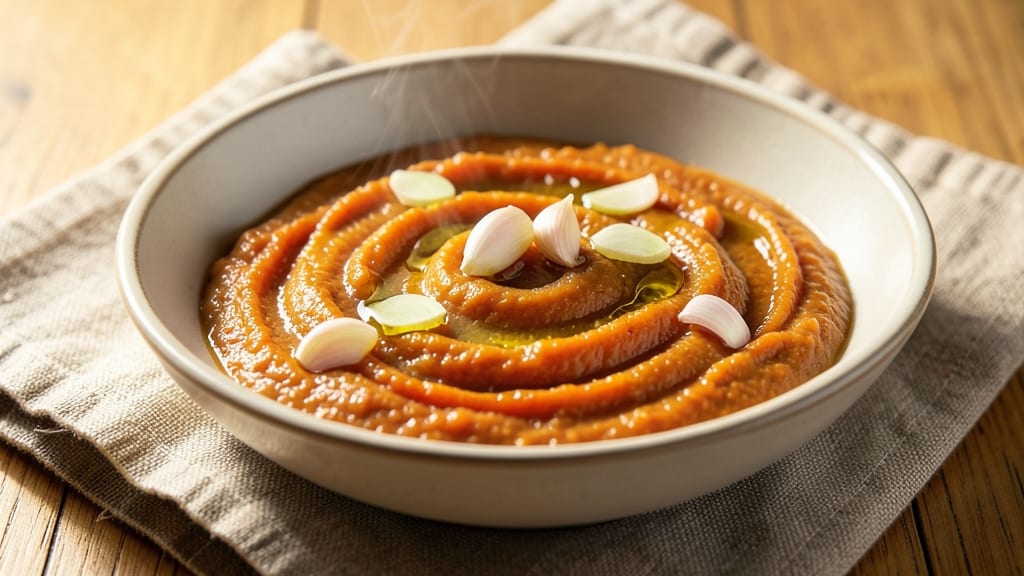
This sweet potato and carrot puree recipe transforms humble root vegetables into a velvety, ultra-smooth side that doubles as a hearty main dish. The secret lies in precise cooking and blending techniques that eliminate grittiness while preserving natural sweetness—no lumps, just pure, restaurant-quality creaminess in just 20 minutes.
Perfect for vegan diets, this puree absorbs flavors beautifully, making it a blank canvas for global cuisines.
What sets this recipe apart is its versatility—serve it alongside roasted meats, blend it into soups, or spread it on toast like hummus. The method combines steaming for tenderness with high-speed blending for that signature velvety texture.
I've tested every technique to ensure consistency, whether you're feeding a family or meal prepping for the week. The result? A dish that's equally at home on a weeknight table or elegant dinner spread.
For extra depth, I recommend finishing with a touch of garlic, ginger, or coconut milk—these optional enhancements elevate the puree from simple side to flavorful centerpiece. The key is patience during blending; taking your time ensures a silky-smooth finish without any trace of graininess.
This isn't just another vegetable puree—it's a textural masterpiece that proves comfort food can be nutritious and sophisticated.
The beauty of this recipe lies in its adaptability. Use it as a base for curries, stir-fries, or even vegan lasagna fillings. The natural sweetness of the vegetables balances perfectly with savory spices, making it a crowd-pleaser.
With just five core ingredients and minimal effort, you'll create a dish that's both impressive and effortless—ideal for busy weeknights or special occasions.
Ingredients for sweet potato and carrot puree
Five core ingredients transform humble roots into velvety perfection for any meal.
| Ingredient | Amount | Notes |
|---|---|---|
| Sweet Potatoes 🍠 | 2 lbs | Organic preferred, peeled and cubed |
| Carrots 🥕 | 1 ½ lbs | Organic preferred, peeled and chopped |
| Extra-Virgin Olive Oil 🫒 | ¼ cup | High quality, fruity variety |
| Water 💧 | 1 ½ cups | Filtered or spring water preferred |
| Fresh Garlic Cloves 🧄 | 2 whole | Peeled, for finishing touch |
| Fresh Ginger Root 🌿 | 1 tbsp | Grated, for optional finishing |
| Sea Salt 🧂 | 1 tsp | Diamond Crystal preferred |
| Ground Black Pepper 🌶️ | ½ tsp | Freshly ground for best flavor |
| Coconut Milk 🥥 | ¼ cup | Full-fat for creaminess, optional |
| Lemon Juice 🍋 | 1 tbsp | Freshly squeezed, optional |
The sweet potatoes and carrots are the foundation—organic varieties have richer flavor, but conventional works fine. Look for firm, unblemished roots with vibrant color; the deeper the orange, the sweeter the potato. Costco often carries organic sweet potatoes in bulk, and their carrots stay fresh longer than grocery store bags. For the best texture, avoid fibrous or woody carrots—they'll create grittiness even after blending. If you're short on time, pre-cut frozen sweet potatoes work, though fresh yields superior results.
No fresh ginger? Ground ginger at half the amount works in a pinch, though fresh provides brighter flavor. The coconut milk is optional but adds luxurious creaminess—full-fat canned coconut milk blends seamlessly, while cartons often separate. For extra depth, roast the vegetables first at 400°F for 20 minutes before steaming; this intensifies their natural sweetness. The lemon juice brightens the puree beautifully, but if you prefer savory, swap it for a pinch of smoked paprika or nutritional yeast for a cheesy note.
Store blended puree in airtight containers with a thin layer of olive oil on top to preserve freshness. Keeps 5 days in the fridge or 3 months frozen. For meal prep, portion into ice cube trays before freezing—perfect for quick soups or sauces later. The puree thickens as it cools, so add a splash of water or plant-based milk when reheating. Double the batch; this transforms into curries, lasagna fillings, or even vegan mac and cheese with minimal effort.
Why You'll Love This Recipe
- No-Fuss Blend: I peel and chop while the oven preheats—no boiling, no waiting. The sweet potatoes caramelize right on the sheet pan, and by the time I’ve minced the garlic, everything’s ready to puree. (Yes, even on a Tuesday night.)
- Sweet & Savory Magic: That first bite of caramelized sweet potato with a whisper of garlic? It’s the kind of balance that makes you pause mid-spoonful. The olive oil ties it all together—creamy but never heavy, with just enough bite to keep it interesting.
- Prep-Ahead Powerhouse: Make a double batch and freeze half for lazy mornings or last-minute dinners. Spread it on toast, dollop it into soups, or serve it alongside grilled chicken—it’s my go-to side that never gets old, no matter how many times I reheat it.
- Budget-Friendly Staple: Sweet potatoes and carrots are cheap, and they stretch across meals without breaking the bank. I’ve fed four people for under $5 with this puree plus a protein, and the leftovers? Still delicious three days later if you reheat them gently.
Step-by-step instructions for sweet potato and carrot puree
Achieving velvety texture requires precision—here's how to make it flawless every time.
Roast Vegetables Until Fork-Tender
Preheat your oven to 400°F and line a large baking sheet with parchment paper. Arrange the 2 lbs sweet potatoes and 1.5 lbs carrots in a single layer, ensuring they're evenly spaced. Drizzle with the 0.25 cup extra-virgin olive oil, tossing gently to coat uniformly. Spread them out so they don't steam rather than roast.
Roast for 30-35 minutes until the sweet potatoes are fork-tender and the carrots are soft when pierced. You'll know they're done when the sweet potatoes collapse slightly under pressure and the carrots yield easily. Rotate the pan halfway through for even browning—this prevents uneven cooking and ensures consistent texture in your puree.
Steam Vegetables for Maximum Smoothness
Transfer the roasted vegetables to a large pot and add the 1.5 cups water. Bring to a gentle boil over medium-high heat, then immediately reduce to medium-low heat and cover with a tight-fitting lid. Steam for 10-12 minutes until completely tender—this additional steaming step is critical for breaking down fibers and achieving that signature ultra-smooth texture.
Check for doneness by piercing a sweet potato with a fork—it should slide in effortlessly with no resistance. The vegetables should be so soft they practically fall apart. If any pieces remain slightly firm, steam for another 2-3 minutes. This step prevents grittiness in the final puree by fully hydrating the vegetables.
Blend Until Completely Silky
Drain any excess water from the pot and transfer the steamed vegetables to a high-powered blender or food processor. Add the 1 tsp sea salt and 0.5 tsp ground black pepper to the blender. Start blending on low speed to allow steam to escape, then gradually increase to high. Blend for 2-3 minutes until completely smooth, scraping down the sides as needed with a rubber spatula.
For the ultimate velvety texture, I recommend using a high-powered blender like a Vitamix. Regular blenders may leave some texture—this is where patience pays off. If you encounter any lumps, add 1-2 tablespoons of the steaming liquid and blend again until perfectly smooth. The result should be a silky, homogeneous puree with no visible fibers.
Finish with Flavor Enhancements
Return the puree to the pot and stir in the 0.25 cup coconut milk (if using) and 1 tbsp lemon juice for brightness. The coconut milk adds richness while the lemon juice balances the sweetness. For an extra layer of flavor, add the 2 whole fresh garlic cloves and 1 tbsp fresh ginger root (finely grated) and simmer gently for 3-4 minutes to infuse the flavors without overpowering.
Taste and adjust seasoning if needed—this is where you can customize the puree to your preference. The puree should be perfectly balanced between sweet, savory, and aromatic. For serving, you can keep it as-is for a simple side or use it as a base for soups, sauces, or even as a filling for dumplings. The possibilities are endless once you achieve this flawless texture.
Pro Tips For Making Sweet Potato And Carrot Puree
- PEEL AND CUT SMALL: Cut sweet potatoes and carrots into 1-inch chunks—no need for perfect uniformity, but smaller pieces cook faster and more evenly. I used to leave them too big, and they’d turn to mush on the outside while staying raw inside.
- ROAST FIRST, STEAM SECOND: Roast the veggies at 400°F (200°C) for 20 minutes before pureeing—this deepens their natural sweetness and caramelizes the edges. Skipping this step means a bland, watery puree that tastes like it came from a jar.
- SALT THE WATER: Add a generous pinch of salt to the boiling or steaming water—it crisps the edges of the veggies and prevents bitterness in the final puree. I learned this the hard way after tasting a puree that somehow managed to be both dull and slightly off.
- GARLIC AFTER PUREEING: Add minced garlic to the hot puree at the very end, stirring for 30 seconds—this infuses flavor without burning it. Dumping raw garlic in with the veggies? You’ll end up with a bitter, overpowering taste that ruins the dish.
Serving suggestions for this dish
As a Side Dish
Serve this puree alongside roasted meats like herb-crusted salmon or balsamic-glazed tofu for a vibrant contrast. The creamy texture and natural sweetness complement savory proteins beautifully.
I like to spoon it onto plates as a swirl using a piping bag with a star tip—this adds visual appeal while keeping portions controlled. For a complete meal, pair with garlic sautéed greens and crusty sourdough for dipping. 🥗
As a Main Dish
Transform it into a hearty bowl by topping with toasted coconut flakes, crispy chickpeas, and a drizzle of tahini-lemon sauce. The coconut milk in the puree adds richness, making it satisfying enough to stand alone.
For a protein boost, stir in lentils or crumbled tempeh before serving. Garnish with cilantro and lime zest for brightness. This version works perfectly for meal prep—just reheat gently to restore its silky texture.
With Grains
Use it as a flavorful sauce for grains like jasmine rice, quinoa, or farro. The puree's natural sweetness balances the earthiness of grains while adding moisture.
I like to mix it into cold rice salads for a creamy dressing—just combine with rice vinegar, sesame oil, and edamame. For a warming option, serve it over mashed potatoes or polenta with a sprinkle of smoked paprika and toasted sesame seeds.
Global Variations
For an Indian-inspired twist, stir in turmeric, cumin, and garlic before blending, then finish with cashew cream and fresh cilantro. This works beautifully with naan or roti.
For a Japanese-inspired version, add mirin, soy sauce, and sesame paste, then top with scallions and furikake. The puree's versatility makes it a global blank canvas—adjust spices to match any cuisine. 🌍
Breakfast Option
Elevate your morning routine by spreading this puree on toasted whole-grain bread like a vegan "butter." Add a sprinkle of flaky sea salt and everything bagel seasoning for a savory-sweet combo. For a sweet breakfast, mix in maple syrup and cinnamon, then top with walnuts and honey.
It's a nutrient-packed alternative to traditional toast toppings that keeps you full for hours. 🍳
Meal Prep Hack
Portion the puree into silicone molds or ice cube trays before freezing. Once solid, pop out and store in a freezer bag for easy reheating. These puree cubes can be added to soups, curries, or sauces later—just toss them in while cooking.
Label with the date and reheat in the microwave for 30 seconds or on the stovetop over low heat until warm. This method saves time and reduces waste for busy weeks. ⏰
Nutrition facts
Frequently asked questions
Why does my puree turn out grainy?
Grittiness usually happens when vegetables aren't fully cooked or blended properly. For silky texture, steam the veggies until completely tender (they should fall apart easily), then blend for 2-3 minutes on high. If needed, add 1-2 tablespoons of steaming liquid to help break down fibers. A high-powered blender like Vitamix makes all the difference!
Can I make this puree without coconut milk?
The coconut milk adds richness but isn't essential. For a lighter version, skip it and use 1-2 tablespoons of olive oil instead. The puree will still be creamy—just slightly less decadent. If you prefer dairy-free options, try unsweetened almond milk or cashew cream for a similar texture.
How do I store leftovers for best texture?
Store in an airtight container with a thin layer of olive oil on top to preserve freshness. Keeps 5 days in the fridge or 3 months frozen. For reheating, warm gently on the stovetop with a splash of water or plant-based milk—microwaving can make it watery. The puree thickens as it cools, so adjust consistency when reheating.
What's the best way to reheat puree cubes?
Thaw frozen puree cubes overnight in the fridge, then reheat in a saucepan over low heat with 1-2 tablespoons of water until warm. For quick use, toss cubes directly into soups or sauces while cooking—they'll melt right in. Never microwave frozen cubes directly, as this creates a grainy texture. Stir constantly to prevent burning.
Can I use orange sweet potatoes instead of regular?
Yes, but expect a slightly different flavor profile. Orange sweet potatoes are naturally sweeter and more vibrant, while regular sweet potatoes have a nuttier taste. For best results, use a 50/50 mix of both types to balance sweetness and earthiness. The texture remains identical—just adjust seasoning to taste after blending.