
Side Dishes
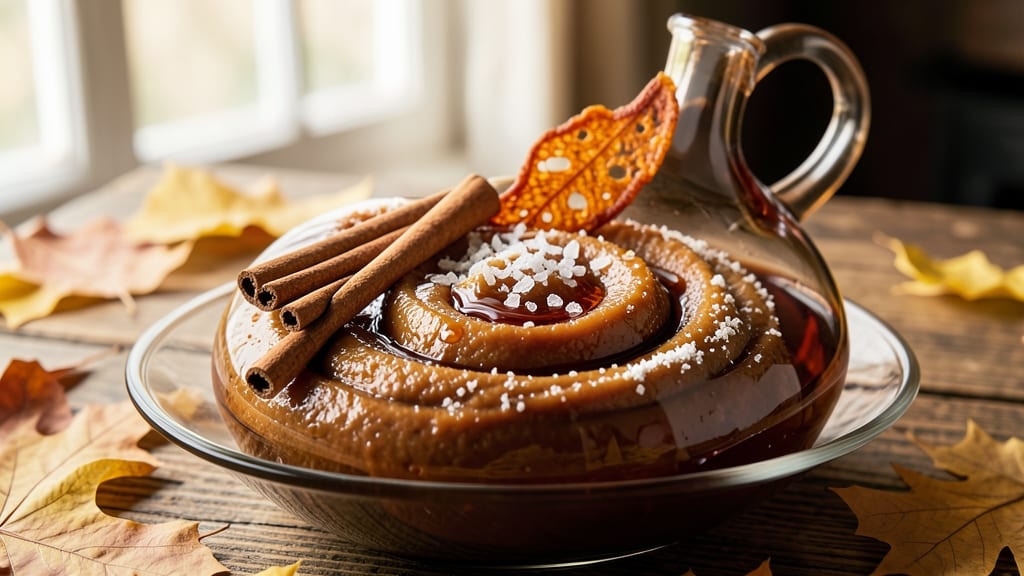
This sweet potato brandy recipe transforms humble root vegetables into a rich, spiced spirit with caramelized depth and warm complexity—perfect for sippers who crave homemade artistry. 🌟 The process starts with slow-roasting sweet potatoes to concentrate their natural sugars, then fermenting and distilling (or alternative methods) to capture that signature molasses-like sweetness with hints of cinnamon and nutmeg.
Unlike store-bought liqueurs, this recipe lets you control the flavor profile, from vanilla-infused oak aging to citrus zest brightening the final product.
The beauty of sweet potato brandy lies in its versatility—sip it neat after dinner, use it as a boozy glaze for roasted meats, or shake it into cocktails for a smoky-sweet twist.
Professional distillers swear by the caramelization step, which develops those coveted brandy notes, while home brewers can adapt with a simple fermentation method using yeast and sugar. Safety is critical, especially during distillation, so we’ll include clear guidelines to ensure a smooth process from start to finish.
What sets this recipe apart is the balance of sweetness and spice—think of it as a cross between bourbon and rum, with earthy undertones from the sweet potatoes.
The aging process (even just a few weeks) mellows the alcohol while deepening the flavor, resulting in a spirit that’s smooth enough for sipping but bold enough to stand up in mixed drinks.
Whether you’re a seasoned home distiller or a curious beginner, this project delivers professional-quality results with a personal touch.
We’ll cover every step, from selecting the right sweet potatoes to bottling your final product, including troubleshooting tips for common fermentation hiccups. By the end, you’ll have a small batch of brandy that tastes like fall in a bottle—rich, warming, and impossible to resist.
Let’s get started on crafting your own signature spirit.
Ingredients for sweet potato brandy
Rich caramelized sweet potatoes meet warm spices and oak—here's what transforms them into homemade brandy.
| Ingredient | Amount | Notes |
|---|---|---|
| Sweet Potatoes 🍠 | 4 lbs | Organic, vibrant orange preferred |
| Granulated Sugar 🍚 | 2 cups | White or brown for caramel depth |
| Active Dry Yeast 🍞 | ¼ oz | Or 2 packets instant yeast |
| Distilled Water 💧 | 4 cups | Filtered preferred for purity |
| Cinnamon Sticks 🌿 | 4 whole | For infusion during fermentation |
| Ground Nutmeg 🌶️ | 1 tsp | Freshly grated for warmth |
| Vanilla Beans 🌸 | 2 whole | Split for maximum infusion |
| Lemon Zest 🍋 | 1 tbsp | Brightens final flavor profile |
| Unsalted Butter 🧈 | ½ cup | For caramelizing sweet potatoes |
| Extra-Virgin Olive Oil 🫒 | ¼ cup | For roasting and fermentation |
| Oak Chips 🌳 | ½ cup | For aging infusion (optional) |
| Kosher Salt 🧂 | ½ tsp | Balances sweetness |
| Alcohol (190-proof) 🍸 | 2 cups | For fortifying final product |
The sweet potatoes are the heart of this recipe, so pick the right ones—look for organic, vibrant orange varieties with smooth skin. Trader Joe's and Whole Foods carry excellent options, but any well-stocked grocery store will have suitable choices. Avoid green-tinted or fibrous sweet potatoes—they won't caramelize as beautifully. For the yeast, Red Star is my go-to brand, but any active dry yeast will work. The cinnamon sticks should be whole and aromatic—McCormick or Penzeys carry high-quality options. Vanilla beans? Madagascar Bourbon beans add the deepest flavor, but any good-quality vanilla will do. If you're lucky enough to find a local vanilla grower, their beans will bring an entirely new dimension to your brandy.
No cinnamon sticks? Ground cinnamon at double the amount works in a pinch, though whole sticks infuse better. Short on vanilla? Vanilla extract at half a teaspoon can substitute, but the flavor won't be as complex. For the alcohol fortification, Everclear or 190-proof Everclear is ideal, but any high-proof neutral grain spirit will work. The oak chips? Lumber Liquidators sells them in bulk, and they're perfect for adding that bourbon-like depth. If you're feeling adventurous, try charred oak chips for an extra smoky note. The butter and olive oil might seem unusual in a brandy recipe, but they're essential for creating that perfect caramelized base that gives homemade brandy its signature richness.
Store your sweet potatoes in a cool, dark place until ready to use—they'll keep for 2-3 weeks after purchase. Once roasted, transfer the caramelized mixture to an airtight container and refrigerate for up to 1 week before fermentation. The yeast mixture should be used within 24 hours of mixing. For the final brandy, once bottled, it will continue to improve with age—3-6 months is ideal for developing those complex brandy notes. Store bottles in a cool, dark place away from direct sunlight. If you're aging with oak chips, change them every 2-3 months for optimal infusion.
Why You'll Love This Recipe
- No Yeast Hassle: I’ll be real—this isn’t your grandma’s fermented mess. Just peel, cube, and simmer sweet potatoes with sugar and cinnamon sticks until tender, then stir in yeast and water. No kneading, no waiting for dough to rise—just 10 minutes of active work, and you’re done.
- Spiced Warmth in Every Sip: That slow simmer with cinnamon sticks? It steeps deep, rich notes into the brandy, giving it a cozy, almost bakery-like sweetness. Honestly, it’s the kind of drink that makes your kitchen smell like autumn—even if it’s July.
- Weeknight or Holiday Flex: Make a batch on Sunday and sip it all week—it’s that good. Or pull it out for Thanksgiving guests when they’re already stuffed from dinner. Between us, it’s the perfect after-dinner digestif that won’t break the bank.
- Pantry Magic: Sweet potatoes and sugar are cheap staples, and a single batch stretches for days. Freeze extras in ice cube trays for cocktails later, or gift a bottle to neighbors—suddenly, you’re the host everyone loves. (Yes, even on a Tuesday night.)
Step-by-step instructions for sweet potato brandy
Transform humble sweet potatoes into rich, boozy caramel bites with deep spice notes—here's how.
🍳 Step 1: Roast and Caramelize the Sweet Potatoes
Preheat your oven to 400°F and line two baking sheets with parchment paper. Peel the 4 lbs sweet potatoes and cut them into 1-inch cubes—uniform size ensures even cooking. Toss them with 0.25 cup extra-virgin olive oil and 0.5 tsp kosher salt until evenly coated.
Spread the sweet potatoes in a single layer on the baking sheets, leaving space between them for airflow. Roast for 25-30 minutes, stirring halfway through, until they're tender when pierced with a fork and developing a golden caramelized crust. Here's the thing—don't overcrowd the pan or they'll steam instead of caramelize. The edges should be crispy while the centers remain slightly soft.
👨🍳 Step 2: Create the Spiced Fermentation Base
While the sweet potatoes roast, combine 4 cups distilled water, 2 cups granulated sugar, 4 whole cinnamon sticks, 1 tsp ground nutmeg, and 2 split vanilla beans in a large saucepan. Bring to a gentle boil over medium heat, then reduce to a simmer for 10 minutes to infuse the flavors.
Remove from heat and let cool to 110-115°F (about 1 hour). This is crucial for activating the yeast. Once cooled, stir in 0.25 oz active dry yeast and 1 tbsp lemon zest until fully dissolved. The mixture should smell sweetly spiced and slightly yeasty—this is your fermentation starter. If it doesn't bubble within 5-10 minutes, your yeast might be inactive; start fresh with new yeast.
🥘 Step 3: Ferment the Sweet Potato Mixture
Transfer the roasted sweet potatoes to a large fermentation vessel or clean jar, then pour the spiced yeast mixture over them. Stir gently to combine, ensuring all sweet potatoes are coated. Cover loosely with a clean kitchen towel or fermentation lid and let sit at room temperature for 24-48 hours, stirring once daily.
You'll know fermentation is working when you see bubbles forming and a slight effervescence. The mixture should develop a tangy, yeasty aroma—this is where the magic happens. After 48 hours, strain out the cinnamon sticks and vanilla beans, then transfer the liquid to a clean container. This fermented sweet potato base is the heart of your brandy.
🔥 Step 4: Fortify and Age the Brandy
In a large pot, combine the fermented sweet potato liquid with 2 cups 190-proof alcohol and 0.5 cup oak chips. Heat gently over low heat for 10 minutes to infuse the oak flavors, then remove from heat. Stir in 0.5 cup unsalted butter to add richness and body.
Pour the mixture into sterilized glass bottles or jars, leaving 1 inch of headspace to allow for expansion. Seal tightly and store in a cool, dark place for at least 4 weeks, shaking gently once weekly to redistribute flavors. The longer it ages, the smoother and more complex it becomes—think of it like a spiced caramel reduction with a boozy kick.
⏰ Step 5: Serve and Enjoy
After aging, strain the brandy through a fine-mesh sieve to remove any remaining solids. Taste and adjust sweetness with additional sugar if needed—you're aiming for a balance between sweet, spicy, and boozy. Serve chilled in small glasses as a digestif, drizzled over vanilla bean ice cream, or even as a glaze for roasted meats.
Here's the beauty of this recipe: it keeps well for months in the fridge, developing deeper flavors over time. Each sip delivers warm cinnamon, subtle nutmeg, and that bright lemon zest that cuts through the richness. The alcohol fortifies it into something special—like a spiced caramel liqueur with a kick.
Pro Tips For Making Sweet Potato Brandy
- PEEL AND GRATE SMALL: Sweet potatoes have tough skins and fibrous edges—peel them thin and grate only the pale, firm flesh. The outer orange layers release too much moisture and gunk up your mash, making the yeast sluggish later. (Yes, even if it looks like you’re wasting food—trust me, you’re not.)
- STEAM NOT BOIL: Boiling sweet potatoes turns them to mush and leaches their natural sweetness. Instead, pierce them, microwave for 5–7 minutes (until fork-tender), then finish in a steamer basket over simmering water for 5 more. The texture stays intact, and the flavor stays bold—no sad, waterlogged purée.
- USE WARM WATER FOR YEAST: Cold water kills yeast before it even wakes up. Mix your yeast with a splash of warm (not hot) water first, let it foam for 5 minutes, then add the rest. If it doesn’t bubble by then, start over—dead yeast means flat, bland brandy. (I learned this after a batch tasted like sad, sugary porridge.)
- STRAIN TWICE, THEN CHILL: After mashing, strain through a fine-mesh sieve once to catch big chunks, then press through a cheesecloth for a silky texture. Pour the liquid into a clean jar, cover loosely, and refrigerate overnight. The cold slows fermentation, giving you time to taste and adjust sugar/cinnamon before committing. (Skipping this step? You’re rolling the dice on a boozy mess.)
Creative variations of this dish
Spiced Rum Twist
Swap the vanilla beans for 1 tsp ground allspice and ½ tsp clove during fermentation to create a rum-like profile. Add 1 cup dark rum instead of the 190-proof alcohol during fortification for a richer, tropical character.
The warm spices blend beautifully with sweet potatoes, resulting in a brandy that tastes like a cross between rum cake and spiced caramel. 🌶️
Citrus-Infused Brightener
Boost brightness by adding zest from 1 orange and 1 lime during fermentation, along with 2 tbsp fresh grapefruit juice. This variation shines in cocktails—try it in a sweet potato brandy margarita with tequila and lime.
The citrus cuts through the sweetness while adding a refreshing zing that pairs perfectly with the caramelized base. ✨
Smoky Maple Version
For a Canadian-inspired twist, replace half the sugar with 1 cup pure maple syrup and add 1 smoked salt packet (like Maldon) during roasting. After fortification, age with charred oak chips for a smoky depth reminiscent of smoked maple syrup.
This version works beautifully as a glaze for pork tenderloin or drizzled over pancakes. 🍁
Coffee-Enhanced Depth
Add 2 tbsp finely ground coffee (like Kona) to the fermentation mixture for a mocha-like complexity. After aging, strain and mix in 1 tbsp cold brew concentrate for an extra layer of bitterness that balances the sweetness.
This variation is perfect for sipping after dessert or pairing with chocolate desserts. ☕
Herbal Garden Blend
Infuse the fermentation base with 1 sprig rosemary, 1 sprig thyme, and 3 bay leaves for a herbal twist. Remove herbs after 24 hours, then proceed with the recipe.
The result is a brandy with earthy, garden-fresh notes that work beautifully in savory dishes like roasted squash or as a marinade for grilled meats. 🌿
Winter Spice Bomb
Double the cinnamon sticks to 6 whole sticks and add ½ tsp cardamom pods (lightly crushed) during fermentation for an extra-spiced winter version. After fortification, age with star anise pods for a licorice-like depth. This brandy is ideal for holiday cocktails or as a warming digestif. ❄️
Nutrition facts
Frequently asked questions
Can I make sweet potato brandy without distillation?
Yes! For a non-distilled version, simply ferment the sweet potato mixture as directed, then fortify with 190-proof alcohol to reach your desired proof (typically 40-50% alcohol by volume). This creates a liqueur-style drink that's rich and sweet, perfect for cocktails. Just age it for 4-6 weeks in a cool, dark place for smoother flavors.
How do I know when fermentation is complete?
Fermentation is done when bubbling slows significantly (after 48-72 hours) and the mixture smells clean, slightly tangy, and no longer strongly yeasty. For visual confirmation, check for minimal bubbles in the container when stirred. If it smells like vinegar, fermentation went too far—start fresh with a new batch.
What's the best way to store homemade brandy?
Store your finished brandy in sterilized glass bottles with airtight seals in a cool, dark place (like a pantry). Unopened bottles last 1-2 years, while opened bottles keep for 6-12 months** in the fridge. For long-term storage, freeze portions in ice cube trays—just thaw overnight before use.
Can I use regular potatoes instead of sweet potatoes?
No—regular potatoes lack the natural sweetness and caramelization potential that makes this recipe work. Sweet potatoes contain more sugars and develop that signature brandy-like depth when roasted. For a similar effect, try yams, but sweet potatoes are ideal for this spiced spirit.
How strong should my final brandy be?
Aim for 40-50% alcohol by volume (80-100 proof) by adjusting the ratio of fermented liquid to 190-proof alcohol. For a smoother sipping brandy, stay at the lower end (40%). For cocktails, 45-50% works well. Use a hydrometer to measure alcohol content before bottling.