
Side Dishes
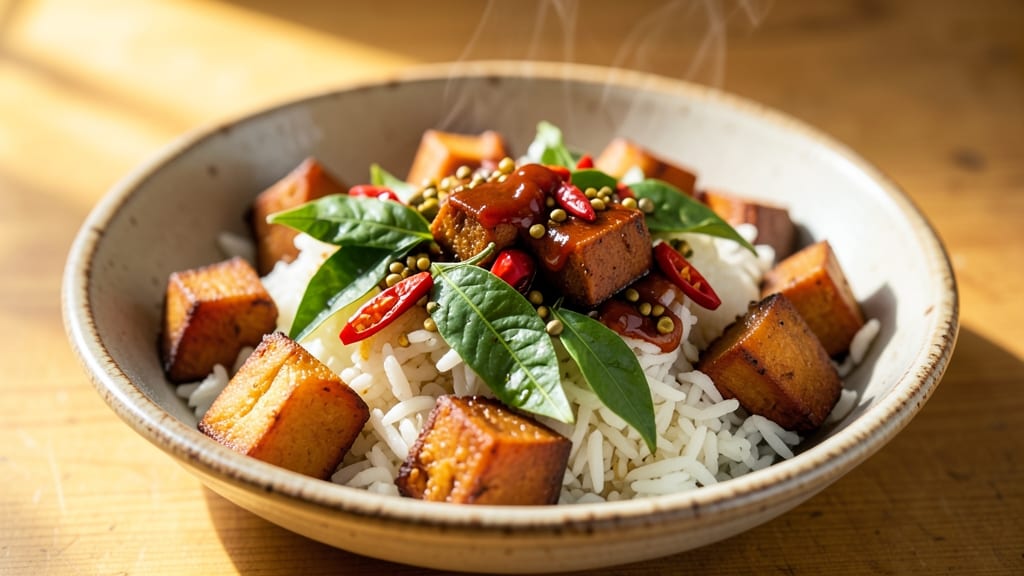
This sweet potato palya recipe transforms humble ingredients into a fragrant, one-pot masterpiece that captures the essence of South Indian home cooking.
The secret lies in the tempering—crispy mustard seeds and curry leaves that release their aroma into the air, promising a dish that’s as visually stunning as it is flavorful.
Every bite delivers a perfect balance of sweet potatoes’ natural sweetness and the tangy kick of tamarind, making this a side dish that steals the show.
What makes palya special is its simplicity—just rice, sweet potatoes, and aromatic spices—but the technique transforms it into something extraordinary. The rice cooks in the same pot as the vegetables, absorbing all the flavors, while the tempering adds layers of texture and depth.
This dish is traditionally served with yogurt raita or a crisp salad, but it’s versatile enough to pair with any meal.
The crispy mustard seeds and curry leaves create a symphony of sounds and flavors, while the tamarind and chili powder deliver that signature tangy-spicy kick. The sweet potatoes soften just enough to soak up the spices, ensuring every mouthful is packed with flavor.
It’s the kind of dish that feels like a hug—comforting, familiar, and deeply satisfying.
Ready in under an hour, this palya is perfect for weeknight dinners or special occasions. Whether you’re serving it at a family gathering or simply looking to elevate your meal, this recipe delivers restaurant-quality results with minimal effort. Let’s get cooking!
Ingredients for sweet potato palya
The aromatic trifecta of mustard seeds, curry leaves, and tamarind transforms simple sweet potatoes into a fragrant one-pot masterpiece.
| Ingredient | Amount | Notes |
|---|---|---|
| Medium Sweet Potatoes 🍠 | 2 lbs | Peeled and cubed evenly |
| Long-Grain White Rice 🌾 | 1 cup | Uncooked, basmati preferred |
| Yellow Mustard Seeds 🌶️ | 1 ½ tbsp | For crispy tempering |
| Curry Leaves 🌿 | ¼ cup | Fresh, lightly crushed |
| Tamarind Paste 🍋 | 2 tbsp | Adjust for tanginess |
| Red Chili Powder 🌶️ | 1 ½ tsp | Adjust for heat preference |
| Ground Turmeric 🌿 | ½ tsp | Freshly ground preferred |
| Cumin Seeds 🌶️ | 1 tsp | Toasted for aroma |
| Asafoetida Powder 🌿 | ¼ tsp | Optional for depth |
| Ghee 🧈 | 3 tbsp | Clarified butter for richness |
| Salt 🧂 | 1 tsp | Adjust to taste |
| Fresh Coriander Leaves 🌿 | ¼ cup | Chopped for garnish |
| Water 💧 | 3 cups | For cooking rice |
| Vegetable Oil 🫒 | 2 tbsp | For sautéing |
The mustard seeds are non-negotiable here—they need to be yellow and whole for that signature crackle. Spice shops like Patel Brothers or bulk bins at Whole Foods carry the best quality. Toast them low and slow to avoid burning, which kills the aroma. Fresh curry leaves are essential; dried versions won’t deliver that floral, citrusy punch. If you can’t find them, substitute 1/4 tsp ground cardamom but expect a different profile. The tamarind paste should be sticky and slightly fibrous—Mamee brand is the gold standard, but any good-quality paste works. For the sweet potatoes, orange-fleshed varieties yield the best texture and sweetness.
No mustard seeds? Poppy seeds or sesame seeds toasted can mimic the crunch, though the flavor won’t match. Running short on curry leaves? A pinch of fenugreek leaves adds a similar earthy note. The tamarind can be swapped for lemon juice (1 tbsp) if unavailable, but you’ll lose that signature tangy depth. For heat, Kashmiri red chili powder adds color without excessive spice. The ghee is crucial—Kerala brand from Indian markets delivers the richest flavor, but any high-quality ghee works. If you’re avoiding dairy, coconut oil is a neutral substitute, though it lacks the same depth. The asafoetida (hing) is optional but adds that unmistakable umami—skip it if you’re sensitive to its strong aroma.
This dish reheats beautifully—double-wrap portions in foil to retain moisture. Keeps for 3-4 days in the fridge, though the flavors deepen overnight. For meal prep, cool completely before storing to prevent sogginess. The tempering loses crispiness when reheated, so re-temper with a splash of hot oil before serving. Garnish with fresh coriander just before eating to preserve its vibrant color. Freezes for up to 3 months—thaw in the fridge overnight for best texture.
Why You'll Love This Recipe
- One-Pot Magic: I swear by this recipe when I’m too tired to juggle multiple pans. Boil the rice, roast the sweet potatoes, and toss everything together with the mustard seeds and curry leaves—no extra bowls, no extra stress. That tamarind paste ties it all together in one go.
- Tamarind Tang Kick: Between us, the tamarind paste is the secret weapon here. It cuts through the sweetness of the potatoes and rice, giving this dish that bright, tangy punch that makes it unforgettable. Honestly, I’ve tried skipping it, and I always regret it.
- Lunchbox Hero: This recipe is my go-to for meal prep because it reheats like a dream. Pack it in containers, and it stays flavorful for days—perfect for work lunches or kids’ school meals. The rice keeps it hearty, and the sweet potatoes add natural sweetness that never gets boring.
- Budget Stretch: Sweet potatoes and rice are pantry staples that won’t break the bank, and this dish stretches easily for a crowd. I’ll be real: it’s the kind of recipe that makes me feel like I’m feeding everyone well without overspending. Plus, the mustard seeds and curry leaves add depth without costing much.
Step-by-step instructions for sweet potato palya
Master this South Indian staple with perfectly crispy mustard seeds and vibrant tamarind tang.
Cook the Rice and Prepare Sweet Potatoes
Begin by rinsing the 1 cup long-grain white rice thoroughly under cold water until the water runs clear. Combine it with 3 cups water in a pot and bring to a boil over high heat. Once boiling, reduce to medium-low heat, cover, and simmer for 15-18 minutes until the rice is tender and the water is absorbed. Let it sit covered for 5 minutes before fluffing with a fork.
While the rice cooks, peel the 2 lbs medium sweet potatoes and cut them into 1-inch cubes. Boil these cubes in salted water for 8-10 minutes until they're tender but not mushy. Drain well and set aside. The cubes should hold their shape when pierced with a fork—this ensures they'll stay intact during cooking.
Temper the Spices for Crispy Texture
Heat 2 tablespoons vegetable oil in a large, heavy-bottomed pan over medium heat. Add the 1 teaspoon cumin seeds and let them sizzle for 30 seconds until they begin to pop. Immediately add the 1.5 tablespoons yellow mustard seeds—they'll explode dramatically, creating the signature crispy texture. Stir constantly for 1 minute until they turn golden brown.
Next, add the 0.25 cup curry leaves and the 0.25 teaspoon asafoetida powder. The curry leaves should sizzle and darken slightly, releasing their aromatic oils. This step is crucial for building the palya's signature depth of flavor. Remove the pan from heat and set aside—this prevents the spices from burning while you prepare the next components.
Build the Tangy Tamarind Base
In the same pan, add 3 tablespoons ghee and let it melt over medium heat. Stir in the 1.5 teaspoons red chili powder and 0.5 teaspoon ground turmeric, cooking for 30 seconds until fragrant. Add the 2 tablespoons tamarind paste and 1 teaspoon salt, stirring continuously to dissolve the tamarind completely. The mixture should thicken slightly and develop a glossy sheen.
Pour in 1 cup water and bring to a gentle simmer. Add the cooked sweet potato cubes and toss gently to coat them evenly in the tangy-spiced sauce. Cover and cook for 5-7 minutes on low heat, stirring occasionally, until the sweet potatoes absorb the flavors and become tender. The sauce should coat the back of a spoon but remain slightly loose.
Combine and Finish with Fresh Herbs
Gently fold the cooked rice into the sweet potato mixture, mixing carefully to avoid breaking the grains. The rice should absorb the remaining sauce while maintaining its distinct texture. Cook for an additional 2-3 minutes on low heat, stirring gently to combine everything evenly. The dish should have a vibrant orange hue from the sweet potatoes and a glossy sheen from the ghee.
Remove from heat and stir in the 0.25 cup chopped fresh coriander leaves. The herbs will brighten the dish with their fresh, citrusy notes. Taste and adjust the seasoning—add more salt if needed or a pinch of chili powder for extra heat. Serve immediately while the mustard seeds retain their crispy texture and the tamarind tang is at its peak.
Pro Tips For Making Sweet Potato Palya
- Boil Sweet Potatoes Until Fork-Tender: I learned this the hard way—undercooked sweet potatoes turn to mush in palya. Cut them into even 1-inch chunks and boil until they pierce easily with a fork (about 12-15 minutes). Overcooking? No, you need them to hold shape when tossed later.
- Toast Mustard Seeds Low and Slow: Crank the heat to medium-low for this step—high heat burns them before they pop. Let those yellow mustard seeds sizzle gently for 30 seconds first, then add curry leaves. The aroma changes everything if you rush it.
- Soak Tamarind Paste Overnight: Skip the gritty texture by dissolving tamarind paste in warm water and letting it sit 8+ hours. Strain out any fibers, then adjust water to reach a thin, pourable consistency. Your gravy will be silky, not sandy.
- Layer Rice and Sweet Potatoes Separately: Cook rice and sweet potatoes separately—mixing them while hot turns the dish gluey. After cooking, toss them together after they’ve cooled slightly. The texture stays distinct, and the tamarind sauce clings better.
Storing and reheating your leftovers
Fridge Storage Secrets
Palya tastes even better the next day—just store it in an airtight container with a tight-fitting lid. The flavors meld beautifully overnight, but keep it refrigerated at 40°F or below for up to 4 days.
I like using glass Pyrex containers because they preserve the dish's vibrant color and prevent absorption of fridge odors. Always let it cool completely before storing to avoid condensation that can make it soggy. 🥫
Freezer-Friendly Tips
For long-term storage, freeze palya in single-serving portions using quart-sized freezer bags. Leave 1-inch headspace to account for expansion, and squeeze out excess air to prevent freezer burn. Label with the date—it stays fresh for up to 3 months.
When reheating, thaw overnight in the fridge for best texture. Never microwave directly from frozen, as it can make the sweet potatoes mushy. 🧊
Reheating Like a Pro
I recommend stovetop reheating for the best results. Transfer palya to a skillet over medium-low heat and add 2-3 tablespoons water to restore moisture. Cover and heat for 5-7 minutes, stirring occasionally, until warmed through.
For extra crispiness, add 1 teaspoon hot oil with a pinch of mustard seeds while reheating. This mimics the original tempering and keeps the dish vibrant. 🔥
Microwave Shortcuts
When time is tight, use the microwave but do it right. Transfer palya to a microwave-safe dish, cover with a damp paper towel, and heat on 50% power for 2-3 minutes.
Stir halfway through, then add 1 tablespoon water if it looks dry. Avoid high power settings—they can make the rice gummy. Garnish with fresh coriander after reheating to revive its bright flavor. ✨
Reviving Crispiness
The tempered spices lose their crunch when reheated, but you can fix this! Just before serving, heat 1 teaspoon oil in a small pan, add ½ teaspoon mustard seeds, and let them pop.
Pour this over the reheated palya—it restores that satisfying crackle and aroma. This trick works especially well for leftovers that need a restaurant-style finish. 🌶️
Meal Prep Hacks
Prep palya ahead for busy weeks by cooking the rice and sweet potatoes separately, then storing them in separate airtight containers. When ready to serve, simply temper the spices fresh, combine everything, and finish with herbs.
This keeps the textures perfect and lets you customize the tanginess with fresh tamarind each time. I make double batches on Sundays for quick weeknight meals. 📅
Nutrition facts
Frequently asked questions
Can I substitute regular potatoes for sweet potatoes in this recipe?
While you can technically use regular potatoes, sweet potatoes are essential for the authentic flavor and texture. Their natural sweetness balances the tangy tamarind perfectly, while their moisture content helps create that signature one-pot consistency. Regular potatoes will make the dish less flavorful and potentially drier.
How do I adjust the spice level for picky eaters?
Start by reducing the red chili powder to 0.5 teaspoons and omit the asafoetida powder. For extra mildness, replace the tamarind with 1 tablespoon lemon juice instead. The mustard seeds and curry leaves provide plenty of aroma without heat. Always taste before serving!
Is it necessary to boil the sweet potatoes first?
Yes, pre-boiling ensures the sweet potatoes cook evenly without turning mushy in the final dish. They should be tender but firm when pierced. If you skip this step, the potatoes may absorb too much liquid from the rice and spices, resulting in a watery texture. This is key for the perfect palya consistency.
What's the best way to serve this dish?
Traditionally, palya is served with a side of yogurt raita or a simple cucumber salad to balance the richness. The cool yogurt cuts through the spicy-sweet flavors beautifully. For a complete meal, pair it with papadums or dosa. Garnish with extra coriander and a squeeze of lemon just before serving.
Can I make this recipe gluten-free?
This recipe is naturally gluten-free as long as you use certified gluten-free rice and check that your tamarind paste and spices have no gluten additives. The traditional ingredients are all gluten-free by nature, so no substitutions are needed. Always verify packaging for cross-contamination warnings.