
Side Dishes
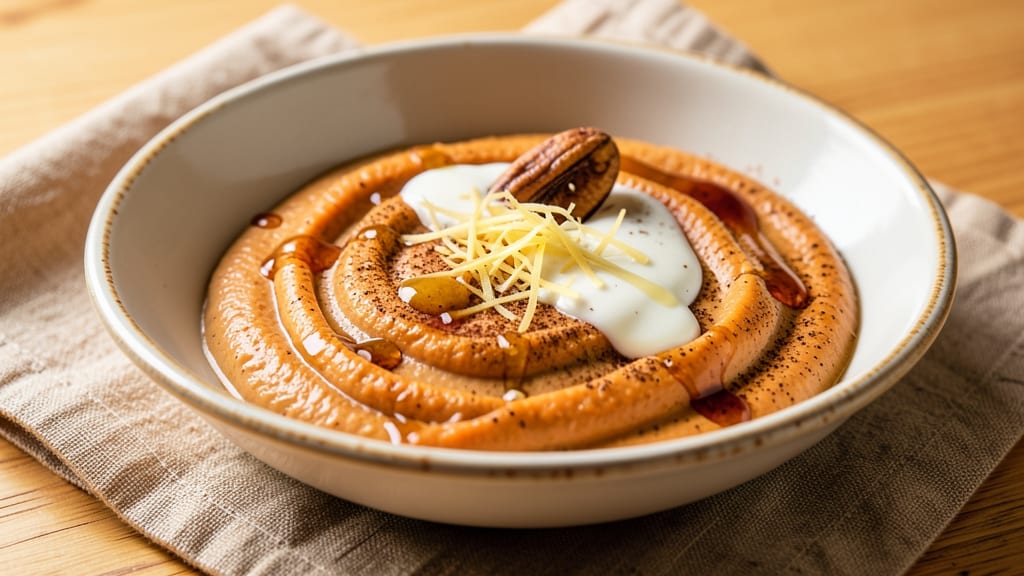
This sweet potato peanut butter recipe transforms humble ingredients into a dish that’s creamy, nutty, and packed with natural sweetness—no refined sugar needed. 🌟 The secret lies in roasting sweet potatoes until they’re tender and caramelized, then blending them with rich peanut butter for a texture that’s velvety yet satisfying.
It’s the kind of side dish that elevates any meal, whether served alongside grilled chicken or as a hearty vegan main.
The beauty of this recipe is its simplicity: just five core ingredients—sweet potatoes, peanut butter, coconut milk, a touch of maple syrup, and warm spices like cinnamon and ginger.
Roasting the sweet potatoes first deepens their flavor and makes them naturally sweet, so the peanut butter enhances rather than overpowers. The result is a dish that’s rich, balanced, and impossible to resist, with a hint of smoky warmth from the roasting process.
What you’ll end up with is a creamy, spreadable sweet potato mash that’s perfect for slathering on toast, dolloping over avocado toast, or serving alongside a fresh green salad. The texture is lusciously smooth, with just enough bite from the roasted sweet potatoes to keep it interesting.
It’s also naturally vegan, gluten-free, and packed with plant-based protein—making it a standout for health-conscious eaters or anyone looking to reduce processed ingredients.
This recipe works equally well as a warm side dish or a cool, creamy dip—ideal for meal prep or last-minute entertaining. Garnish with toasted coconut flakes or a drizzle of tahini for extra crunch and depth.
Ready in under 40 minutes, it’s the kind of dish that feels indulgent but comes together effortlessly. Let’s get cooking!
Ingredients for sweet potato peanut butter
Five wholesome ingredients create this velvety sweet potato peanut butter masterpiece—naturally sweet, protein-rich, and effortlessly elegant.
| Ingredient | Amount | Notes |
|---|---|---|
| Medium Sweet Potatoes 🍠 | 2 whole | Organic preferred, skin-on for texture |
| Natural Peanut Butter 🥜 | ½ cup | Creamy, unsweetened variety |
| Full-Fat Coconut Milk 🥥 | ¼ cup | Canned, for creaminess |
| Pure Maple Syrup 🍯 | 2 tbsp | Grade B for robust flavor |
| Ground Cinnamon 🌿 | 1 tsp | Freshly ground preferred |
| Fresh Ginger 🌿 | 1 tbsp | Grated, for zesty warmth |
| Extra-Virgin Olive Oil 🫒 | 1 tbsp | For roasting, light flavor |
| Sea Salt 🧂 | ½ tsp | Fine grain, enhances sweetness |
| Toasted Coconut Flakes 🥥 | 2 tbsp | For garnish, optional |
| Tahini 🥛 | 1 tbsp | For drizzling, optional |
Sweet potatoes are the foundation—organic varieties like Jewel or Garnet yield the deepest caramelized flavor. Look for firm, unblemished tubers at Whole Foods or your local farmers' market, where they're often sold in smaller batches for fresher quality. The skin-on variety adds subtle earthiness when roasted, so don't peel until after cooking. For this recipe, medium-sized potatoes work best—they roast evenly without drying out. If using pre-cut sweet potatoes, opt for the organic frozen variety from Trader Joe's to avoid excess moisture during roasting.
Natural peanut butter is non-negotiable here—creamy, unsweetened varieties from Smucker's or 88 Acres provide the perfect balance of richness without overpowering the sweet potatoes. Substitute with cashew butter for a nut-free option, though the texture will be slightly lighter. For the coconut milk, full-fat canned versions like Thai Kitchen deliver maximum creaminess, while lighter versions may result in a thinner consistency. The maple syrup should be Grade B for its robust, caramel-like notes—avoid the cheaper Grade A varieties that taste overly sweet. Freshly grated ginger adds depth that pre-packaged ginger can't match, though organic powdered ginger works in a pinch at half the amount.
Roasted sweet potatoes keep well in the fridge for 4 days when stored in an airtight container, though their texture softens further with each passing day. The finished peanut butter mash stays fresh for 5 days refrigerated, though the coconut milk may separate slightly—just stir before serving. For longer storage, portion into silicone molds and freeze for up to 3 months. When reheating, warm gently in a saucepan with a splash of water to restore creaminess. Garnishes like toasted coconut flakes and tahini should be added fresh—both complement the dish's natural sweetness while adding textural contrast. The tahini can be stored in the pantry for 6 months once opened.
Why You'll Love This Recipe
- One-Pot Magic: I swear by this recipe—just roast the sweet potatoes until tender, then stir in peanut butter, coconut milk, and cinnamon. No extra pans, no extra mess, and the kitchen stays clean while the flavors meld together.
- Sweet & Creamy Obsession: That combo of caramelized sweet potatoes with rich peanut butter and a touch of maple syrup? It’s like dessert had a makeover as a savory dish. The coconut milk adds this velvety depth that makes every bite unforgettable.
- Meal Prep MVP: Between us, this is my go-to for lunches all week. Roast a big batch of sweet potatoes on Sunday, then reheat with a spoonful of peanut butter and a drizzle of syrup—warm, satisfying, and ready in minutes.
- Budget-Friendly Powerhouse: Sweet potatoes and peanut butter stretch this recipe into multiple meals without breaking the bank. Plus, using full-fat coconut milk and maple syrup makes it feel indulgent, not cheap—because it is indulgent.
Step-by-step instructions for roasted sweet potatoes with peanut butter glaze
Transform humble sweet potatoes into a decadent, caramelized dish with this balanced technique.
🔥 Step 1: Roast Sweet Potatoes to Caramelized Perfection
Preheat your oven to 425°F and line a baking sheet with parchment paper. Pierce the 2 whole medium sweet potatoes with a fork in several places—this prevents them from exploding as they cook. Rub them lightly with 1 tablespoon extra-virgin olive oil and sprinkle with 0.25 teaspoon sea salt to enhance their natural sweetness.
Place the sweet potatoes on the baking sheet and roast for 45-50 minutes, turning them halfway through, until they're fork-tender with caramelized edges. You'll know they're done when the skin is slightly crispy and the flesh collapses easily under gentle pressure. Let them cool for 10 minutes before handling—they'll be extremely hot when freshly roasted.
👨🍳 Step 2: Create the Nutty-Sweet Glaze
While the sweet potatoes roast, combine 0.5 cup natural peanut butter, 0.25 cup full-fat coconut milk, 2 tablespoons pure maple syrup, 1 teaspoon ground cinnamon, and 1 tablespoon freshly grated ginger in a small saucepan. Warm over medium-low heat, stirring constantly with a silicone spatula until smooth and creamy—about 3-4 minutes.
The mixture should thicken slightly as it heats, creating a velvety sauce with subtle spice notes. If it becomes too thick, add 1 teaspoon water at a time until you reach a drizzling consistency. Remove from heat and stir in the remaining 0.25 teaspoon sea salt to balance the sweetness.
🥘 Step 3: Assemble and Garnish
Once the sweet potatoes are cool enough to handle, slice them lengthwise into ½-inch thick wedges. Arrange them on a serving platter, fanning the slices slightly to create visual appeal. Drizzle generously with the warm peanut butter glaze, allowing it to pool attractively between the wedges.
Finish with a sprinkle of 2 tablespoons toasted coconut flakes and a final drizzle of 1 tablespoon tahini for added richness. The coconut adds a delightful crunch contrast, while the tahini deepens the nutty flavor profile. Serve immediately while the glaze is still warm and fluid for the best texture.
⏰ Step 4: Rest and Serve for Optimal Texture
Let the assembled dish rest for 5 minutes before serving. This brief resting period allows the glaze to slightly thicken and the flavors to meld together. The sweet potatoes will maintain their caramelized edges while absorbing just enough glaze to become tender and moist.
For presentation, arrange the wedges in a circular pattern on the platter, creating a visually striking centerpiece. The combination of caramelized sweet potatoes, nutty-sweet glaze, and textural contrast makes this dish perfect for both casual gatherings and special occasions. Enjoy immediately while the glaze remains warm and the sweet potatoes are at their peak tenderness.
Pro Tips For Making Sweet Potato Peanut Butter
- STEAM THEM FIRST: I used to roast sweet potatoes straight away, but they’d turn out dry and mealy—this recipe deserves creamier texture. Give them a 10-minute head start in the microwave (pierced with a fork) or boil whole until fork-tender, then finish with the peanut butter sauce. The contrast in textures makes the dish sing.
- WARM THE COCONUT MILK: Cold coconut milk separates like a bad breakup—thick, clumpy, and disappointing. Heat it gently (just until warm to the touch) before adding it to the peanut butter mix. Stirring in warm milk keeps the sauce silky smooth, not grainy. (Yes, even if you’re impatient like me.)
- DON’T SKIP THE CINNAMON TOAST: Ground cinnamon loses its magic when it sits in the sauce too long—it turns bitter, like oversteeped tea. Toast it dry in a small pan for 30 seconds until fragrant, then whisk it into the peanut butter base. The aroma alone makes the dish taste more intentional.
- SWAP MAPLE FOR HONEY (IF DESPERATE): Pure maple syrup is the star here, but if you’re out, honey works in a pinch—just reduce it by 10% and simmer the sauce longer to balance the moisture. I’ve done this when maple was nowhere in sight, and while it’s not identical, the peanut butter still shines. (Your future self will notice the difference.)
Wine and beer pairings for this sweet potato peanut butter
Sweet and Spicy Wine Pairings
The natural sweetness and nutty warmth of this dish pairs beautifully with off-dry wines that complement its caramelized notes. Try a Moscato d'Asti from Italy—its crisp acidity and light honeyed flavor balance the peanut butter’s richness while enhancing the sweet potato’s caramelization.
For a bolder option, a Riesling from Germany (like Dr. Loosen Blue Slate) brings vibrant citrus and floral notes that stand up to the ginger and cinnamon. 🍷
Creamy Beer Complements
For beer lovers, a Belgian Witbier like Hoegaarden is a perfect match—the coriander and citrus notes cut through the peanut butter’s heaviness while the effervescence cleanses your palate.
If you prefer something heartier, a light American lager (like Corona or Heineken) provides a neutral backdrop that lets the dish’s flavors shine. For a craft option, try a honey wheat ale from a local brewery to echo the maple syrup’s natural sweetness.
Unexpected Spirit Pairings
If you’re serving this as an appetizer or dessert-like side, consider pairing it with a small-batch bourbon (like Woodford Reserve) for a sophisticated twist. The caramel notes in the bourbon mirror the roasted sweet potatoes, while the oak adds depth.
For a non-alcoholic option, a ginger-infused sparkling water (like Spindrift) enhances the dish’s zesty ginger without overpowering its natural sweetness.
Regional Wine Adaptations
In Southern US gatherings, a Muscadine wine from North Carolina adds a fruity, almost grape-jelly sweetness that pairs wonderfully with the peanut butter’s nuttiness. For Pacific Northwest diners, a Pinot Gris from Oregon offers a crisp, mineral-driven contrast that highlights the dish’s caramelized edges.
Each regional wine brings its own unique harmony to this globally appealing dish. 🌍
Coffee and Tea Enhancements
For a daytime serving, a lightly roasted coffee (like a Sumatra) complements the dish’s earthy sweetness, while a chai tea (especially one with cardamom) echoes the cinnamon and ginger flavors. The tannins in coffee help cut through the richness, making each bite feel lighter.
If you prefer herbal options, a hibiscus tea adds a tart contrast that brightens the peanut butter’s creaminess.
Nutrition facts
Frequently asked questions
Can I make this recipe without coconut milk?
Yes! For a lighter version, substitute ¼ cup unsweetened almond milk or ¼ cup water—just reduce the maple syrup by 1 teaspoon to balance sweetness. For extra richness, use 2 tablespoons melted coconut oil instead. The texture will be slightly thinner but still delicious.
How do I store leftovers?
Store in an airtight container in the fridge for up to 5 days. Reheat gently in a saucepan with 1 tablespoon water to restore creaminess. For longer storage, freeze portions for 3 months—thaw overnight in the fridge. The glaze may separate slightly; stir before serving.
Is this recipe naturally vegan?
All ingredients are plant-based, including the natural peanut butter, maple syrup, and coconut milk. It’s also gluten-free and packed with protein from the peanut butter and fiber from the sweet potatoes. Perfect for vegan diets or anyone avoiding animal products.
Can I use regular potatoes instead of sweet potatoes?
Not recommended—they lack the natural sweetness and creamy texture that makes this dish special. Sweet potatoes caramelize beautifully, while regular potatoes would turn mushy and lose flavor. If you must substitute, try yams (though they’re less sweet) or purple sweet potatoes for a vibrant twist.
What’s the best way to serve this dish?
This recipe works as a side dish (with grilled chicken or tofu), a dessert-like appetizer, or even a breakfast bowl topped with granola. For extra flair, serve with fresh mint leaves or a sprinkle of flaky sea salt. It’s also fantastic as a dip with apple slices or crackers!